
Understanding Canon Lenses: A Comprehensive Guide

Introduction

Canon lenses are essential tools for photographers and videographers. They help capture stunning images and videos, making them a crucial part of any camera setup. This article delves into the world of Canon lenses in detail, exploring their types, features, and how to choose the right one for your needs.

Types of Canon Lenses

Prime Lenses

Prime lenses have a fixed focal length. This means they don’t zoom in or out. Photographers often choose prime lenses for their sharpness and image quality. A prime lens can capture clearer images than a zoom lens because they have fewer elements inside. This simplicity often leads to stunning results.

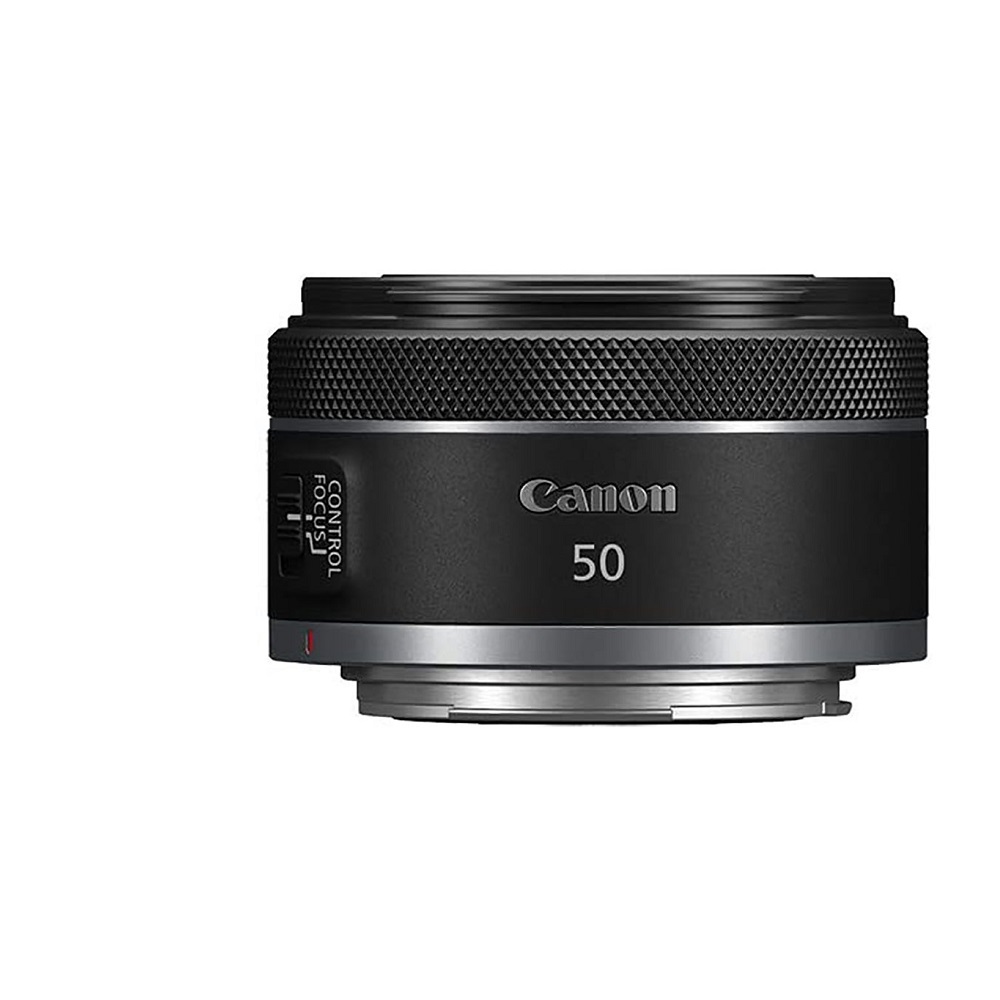
Photographers frequently use prime lenses for portraits. A 50mm prime lens, for example, provides a natural perspective. It creates beautiful depth of field, which helps isolate the subject. You get creamy backgrounds. This lens can also perform well in low light. You can often find a wide aperture, such as f/1.8 or f/1.4. This creates stunning photographs even in dim conditions.

Another benefit of prime lenses is their lightweight design. They are usually smaller and easier to carry. This makes them great for travel photographers. A lightweight prime lens lets you pack more without the strain. You can move quickly and capture spontaneous moments.

canon lenses

Zoom Lenses

Zoom lenses offer flexibility with their adjustable focal lengths. You can zoom in or out to frame your subject perfectly. This versatility makes zoom lenses a popular choice among many types of photographers. They can adapt to various situations, from landscapes to portraits and wildlife photography.

Canon offers several types of zoom lenses. These range from standard zooms, like the 24-70mm, to super-zoom lenses, like the 18-200mm. A standard zoom lens provides a good range for general photography. You can shoot wide-angle landscapes or zoom in for portraits.

Super-zoom lenses cover an extensive focal range. This makes them excellent for travelers who want to pack lightly. Instead of bringing multiple lenses, you can carry just one versatile super-zoom lens. This is convenient for outdoor adventures or events. However, super-zoom lenses might sacrifice a bit of image quality compared to prime lenses.

Telephoto zoom lenses are another option. They allow you to capture distant subjects. Wildlife photographers often rely on telephoto lenses to photograph animals from a distance. A 70-200mm lens is popular among professionals. It offers excellent image quality and flexibility.

Macro Lenses

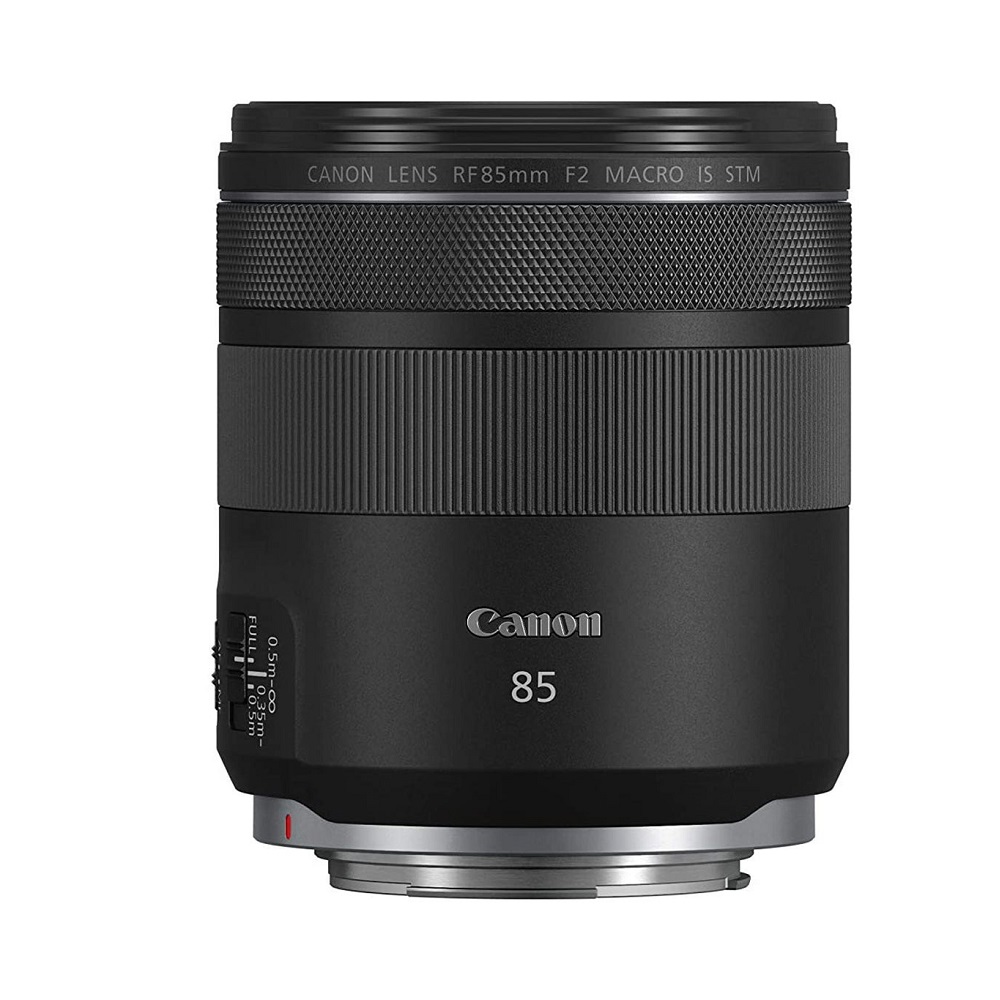
Macro lenses are specialized for close-up photography. They allow you to capture fine details of small objects. Photographers often use macro lenses for shooting flowers, insects, and other tiny subjects. This type of lens can create stunning images that reveal details invisible to the naked eye.

Canon macro lenses have a specific feature called a 1:1 magnification ratio. This means you can capture a subject’s actual size on the sensor. You can photograph a flower petal and see every detail. Macro photography opens a world of creativity. It challenges you to see beauty in small things.

Using a macro lens requires practice. You need steady hands or a tripod to avoid blurriness. Depth of field can also be shallow, making focus critical. However, the results are rewarding. Macro photography can create compelling imagery that tells a story.

Key Features of Canon Lenses

Aperture

Aperture is one of the most important features of a lens. It controls the amount of light entering the camera. A wider aperture, like f/1.4, lets in more light. This is great for low-light situations. It also creates a shallow depth of field. You can blur backgrounds, making subjects pop.

Conversely, a smaller aperture like f/16 lets less light in. This increases depth of field. Landscape photographers often use smaller apertures. This helps keep everything in focus, from the foreground to the background. Understanding aperture helps you use your lens effectively.
canon lenses

Image Stabilization

Canon lenses often feature image stabilization (IS). This technology reduces camera shake. It helps produce sharper images, especially with slower shutter speeds. This is essential for handheld photography. It allows photographers to shoot at slower speeds without blurring.

Image stabilization can be particularly helpful in low-light conditions. For example, when shooting indoors or at dusk, IS can save your shot. It gives you the confidence to shoot without using a tripod. Photographers can capture spontaneous moments.

Autofocus Systems

Autofocus systems are crucial in modern photography. Canon lenses use advanced autofocus technologies. These systems help you focus quickly and accurately. They save time and ensure you capture sharp images.

Canon has various autofocus systems. These include USM (Ultrasonic Motor) and STM (Stepping Motor). USM lenses are fast and silent. They work well for sports and wildlife photography. STM lenses offer smooth focusing for video work. They are great for capturing moving subjects.

Understanding autofocus makes a big difference. When you know your lens’s capabilities, you get better results. You can confidently capture moving subjects or moments without worrying about focus.

Choosing the Right Canon Lens

Consider Your Photography Style

Choosing the right lens starts with understanding your photography style. Are you a portrait photographer? A wide aperture prime lens, such as a 50mm f/1.8, could be perfect. This lens is versatile, affordable, and produces stunning portraits.

If you love landscape photography, consider a wide-angle lens. A 16-35mm zoom lens lets you capture expansive views. This is ideal for shooting scenic places or cityscapes. A lens with a smaller aperture helps keep everything in focus.

Do you enjoy wildlife photography? A telephoto lens, like a 70-200mm, is essential. It allows you to photograph animals from safe distances without disturbing them. This lens offers great versatility and image quality.
canon lenses

Budget Considerations

Lenses come at various Price points. Canon offers lenses for every budget. You can find affordable options while also having high-end lenses for professionals. When choosing a lens, consider how much you are willing to spend.

Entry-level photographers might start with a kit lens. These often come with a camera body. They are versatile and downloadable. However, as you gain experience, you might want to invest in more specialized lenses. These lenses can enhance your work and elevate your skills.

For professionals, high-end lenses are often necessary. They offer advanced features and exceptional image quality. A lens like the Canon 24-70mm f/2.8 is a workhorse for many photographers. It’s versatile and reliable.

Researching Lens Reviews

Before purchasing a lens, it’s essential to read reviews. Look for feedback from other photographers. They often share their experiences using specific lenses. This helps you understand performance, image quality, and usability.

You can find reviews on photography blogs, YouTube, and forums. Reading various sources gives you a broader perspective. Pay attention to aspects like build quality and focusing speed. User experiences can help you make an informed decision.

canon lenses

Canon Lens Mounts

EF Mount

The EF mount is the standard for Canon’s DSLR cameras. Most Canon lenses use this mount. It’s compatible with a wide range of lenses, from prime to zoom. If you own a Canon DSLR, you will likely use EF lenses.

The EF mount accommodates many types of lenses. You can find wide-angle lenses, telephoto lenses, and macro lenses. This versatility allows you to explore various photography styles.

RF Mount

Canon introduced the RF mount for its mirrorless cameras. It’s a newer system with unique features. RF lenses offer advanced optical designs, including higher quality and improved performance. This mount is making a mark in the photography world.

If you’re using Canon’s mirrorless system, it’s essential to understand the RF mount. Future-proofing your purchase is crucial. Canon continues to expand its RF lens lineup. This means you can expect more options and advancements.

canon lenses

Compatibility with Adapters

If you have EF lenses but want to use an RF camera, you can. Canon offers adapter solutions. These allow you to use EF lenses on RF cameras. While you may lose some advanced features, the basic functionality remains. This opens up versatile options for photographers who want to expand their gear.

Conclusion

In conclusion, Canon lenses are vital for capturing stunning images. They come in various types, each suited for different photography styles. Understanding features like aperture, image stabilization, and autofocus helps you make informed choices.

Choosing the right lens requires thoughtful consideration. Think about your photography style and budget. Researching lenses and reading reviews can guide your decision. As the technology and lens markets evolve, having the right tools can elevate your photography. Canon lenses are designed to inspire creativity and help you tell your story through images.

Understanding Canon Lenses: A Comprehensive Guide

Canon lenses are a vital part of any photographer’s toolkit. Their quality and versatility significantly impact the outcome of any photograph. This article will cover different types of Canon lenses, their features, and how to choose the right one for your needs.

Types of Canon Lenses

When it comes to Canon lenses, they can be categorized into several types. Each type serves a unique purpose and suits different styles of photography. Therefore, understanding these categories can help you make informed decisions on which lenses to invest in.

Prime Lenses

Prime lenses have a fixed focal length. This means you cannot zoom in or out. Instead, you need to physically move closer or further away from your subject. Despite having only one focal length, prime lenses offer several advantages.

Firstly, they generally have larger apertures. A larger aperture allows more light to enter the lens. This is especially useful in low-light conditions. For example, a 50mm f/1.8 lens excels in nighttime photography and indoor settings. The wide aperture also creates a beautiful bokeh effect. This effect softly blurs the background, making your subject stand out.

Secondly, prime lenses tend to be lighter and more compact. Photographers who travel appreciate this feature. A lightweight lens makes it easier to carry your camera over long distances without sacrificing quality.

Additionally, prime lenses force you to become more creative. Since you cannot zoom in or out, you have to find the best angle. This can lead to more interesting compositions.

canon lenses

Zoom Lenses

Unlike prime lenses, zoom lenses have varying focal lengths. This offers greater flexibility. For example, the Canon 24-70mm f/2.8 lens allows you to capture everything from wide landscapes to close-up portraits without changing lenses.

Zoom lenses are versatile and convenient. They are ideal for event photography where subjects can move unpredictably. With a zoom lens, you can quickly adjust your framing without missing any moments.

However, zoom lenses usually have smaller maximum apertures compared to prime lenses. A smaller aperture means less light enters the lens. This can make low-light photography challenging unless you increase the ISO setting.

Choosing between a prime and a zoom lens often depends on your shooting style. If you prefer versatility, a zoom lens may suit you better. If you focus on portraiture or low-light situations, consider a prime lens.

Canon Lens Mounts: Compatibility Is Key

Understanding lens mounts is crucial for any Canon shooter. Canon has various mounts for its cameras. Each mount is tailored to different models within the Canon ecosystem.

EF and EF-S Lenses

The EF mount is compatible with Canon’s full-frame cameras. EF-S lenses, on the other hand, are designed for APS-C sensors. These are smaller than full-frame sensors and crop the image.

When using an EF-S lens on a full-frame camera, you may encounter vignetting. This reduces the light around the corners of the image. Always check your camera specifications to ensure compatibility.

canon lenses

RF Lenses

Canon’s newer RF mount is for their mirrorless line. These lenses offer advanced technology like faster autofocus and superior image quality. The RF series is known for its excellent optical performance.

If you own a Canon mirrorless camera, it’s advisable to invest in RF lenses. They are built to work harmoniously with the newer models. However, RF lenses are usually more expensive than their EF counterparts.

Adapters for Flexibility

Canon does offer adapters for those who wish to use EF lenses on RF cameras. This allows greater flexibility for photographers. Still, be aware that using an adapter can sometimes result in slower autofocus.

Ultimately, choosing the right mount will depend on your camera system and your photography needs. Always consider the type of photography you do and what features are most important to you.

Understanding Focal Length

Focal length is an essential term in photography. It refers to the distance between the lens and the image sensor when the subject is in focus. The measurement is typically in millimeters (mm). Understanding focal length will help you to select appropriate lenses for your photography style.

Wide-Angle Lenses

Wide-angle lenses have short focal lengths, typically ranging from 14mm to 35mm. These lenses capture a broader scene. They are perfect for landscape photography or when shooting in tight spaces.

One major benefit of wide-angle lenses is their ability to exaggerate perspective. This makes foreground objects appear larger while pushing background elements further away. This can create powerful images, especially in natural settings.

However, using wide-angle lenses requires skill. Distortion can occur if not framed correctly. For example, if you get too close to a subject, it may appear unnaturally large. Therefore, practice is essential when working with wide-angle lenses.

canon lenses

Telephoto Lenses

Telephoto lenses have long focal lengths ranging from 70mm to over 300mm. These lenses are excellent for capturing distant subjects. Wildlife photographers and sports photographers often rely on telephoto lenses for their work.

The primary advantage of telephoto lenses is their ability to isolate subjects. You can achieve a shallow depth of field, making the subject stand out sharply against a blurred background. This creates striking portraits and dynamic images of wildlife.

However, telephoto lenses can be heavy and cumbersome. Stability is also a concern, as camera shake can easily blur your images. A tripod or image stabilization features can help, but they may add more weight to your gear.

Deciphering Aperture and Its Impact

Aperture refers to the opening in a lens that allows light to enter. It significantly affects your images in terms of exposure and depth of field. Understanding how to manipulate aperture can help you achieve your desired outcomes.

Large vs. Small Apertures

Large apertures are represented by smaller f-numbers, like f/1.8. These allow more light to hit the sensor. A larger aperture is beneficial in low-light situations, allowing for faster shutter speeds.

Additionally, a large aperture creates a shallow depth of field. This is great for portrait photography, where you want to blur the background and bring focus to the subject. A shallow depth of field enhances the visual impact of your portraits.

Conversely, small apertures, such as f/11 or f/16, allow less light to enter the lens. These apertures increase depth of field. More of the scene becomes in focus. This is ideal for landscape photography when you want both the foreground and background sharp.

Choosing the Right Aperture

Selecting the correct aperture depends on your subject and environment. Experimenting with different settings can help you understand how aperture affects your images.

For example, if you’re shooting a landscape, use a small aperture to make everything in focus. But if you’re doing a portrait, a large aperture will help isolate your subject and create that beautiful bokeh effect.

Image Stabilization: Essential for Sharp Images

Image stabilization (IS) is a technology designed to reduce camera shake. It’s particularly important for telephoto lenses but can benefit any type of lens. Understanding how IS works can help you capture sharper images.

How Image Stabilization Works

IS mechanisms usually involve gyroscopic sensors that detect camera movement. The lens then compensates for this motion in real time. There are typically two types of IS: Optical IS and Digital IS.

Optical IS is built directly within the lens. It compensates for camera shake and is most effective for handheld shooting. Digital IS is more software-based and is often used in video recording.

canon lenses

Benefits of Image Stabilization

Having IS on your lens allows you to shoot at slower shutter speeds without experiencing blur. For example, if you’re shooting at 1/30 of a second, IS can reduce the chances of motion blur, enabling you to capture clearer images.

However, keep in mind that IS does not correct for subject motion. If you’re photographing a fast-moving subject, you must also consider your shutter speed. Nonetheless, IS is an invaluable feature for any photographer, especially those shooting in low-light conditions or at longer focal lengths.

Choosing the Right Canon Lens: Factors to Consider

Deciding which Canon lens to purchase can be overwhelming. With so many options available, how do you choose the right one? There are several factors to consider before making your decision.

Photography Style

To start, think about your photography style. Are you into landscapes, portraits, or wildlife? Your specific interest will influence your lens choice. For landscapes, consider wide-angle lenses; for portraits, a prime lens with a large aperture may be best; and for wildlife, a telephoto lens would be appropriate.

Budget

Your budget is another significant factor. Canon lenses range from affordable to high-end options. While it may be tempting to go for the most expensive model, there are many affordable lenses that offer excellent quality. Research the reviews and comparisons to find the best fit for your wallet.

Future Needs

Lastly, think about your future needs. If you anticipate taking up new photography styles, it may be wise to invest in versatile lenses that can adapt to varying conditions. A zoom lens, for example, can cover multiple situations, making it a practical choice for those starting in photography.

canon lenses

Maintaining Your Canon Lenses

Proper lens maintenance is essential for longevity. Taking care of your lenses ensures consistent performance and quality. Here are some practical tips for maintaining your Canon lenses.

Cleaning Your Lenses

Dust and smudges can affect image quality. Use a lens blower to remove dust and a microfiber cloth to clean the glass surface. Specialized lens cleaning solutions can help remove stubborn smudges. Always apply cleaning liquid to the cloth, not directly on the lens, to avoid damage.

Storing Your Lenses

How you store your lenses matters too. Store them in a dry, cool place to prevent mold and fungus. Consider investing in a padded camera bag to keep your lenses protected during travel.

Regular Checks

Finally, regularly inspect your lenses for any signs of damage. This includes scratches or mold growth. Addressing any issues promptly can save you from costly repairs in the long run.

Conclusion: Maximizing Your Creativity with Canon Lenses

In summary, Canon lenses present countless opportunities for photographers. Understanding the differences between prime and zoom lenses, their mounts, focal lengths, and other features can help you select the perfect lens for your needs.

By mastering the technical aspects such as aperture and image stabilization, you can better control your creative vision. Ultimately, your unique style and subjects will dictate the best choices for you.

Investing in the right Canon lens can elevate your photography skills and unlock new possibilities. Each lens mastered develops your eye and skill, allowing you to produce stunning images time and time again. So, dive in and explore the world of Canon lenses, and find the tools that resonate with your photographic journey.