Rubber bands for bracelets have become a staple in the world of DIY crafts. These small, stretchy loops offer endless possibilities for creative expression. People of all ages use them to design colorful accessories. Children enjoy making friendship bracelets. Adults appreciate their versatility in fashion and utility. The popularity of rubber bands for bracelets continues to grow. Crafters value their affordability and wide color selection. They are easy to work with, even for beginners. Most kits come with simple tools and clear instructions. This makes starting a new hobby stress-free.
Additionally, rubber bands for bracelets promote fine motor skills. They also encourage focus and patience during crafting. Many schools incorporate bracelet-making into art programs. Teachers find it helps students develop hand-eye coordination. The tactile experience keeps kids engaged. It’s both fun and educational. Assembling bracelets teaches basic pattern recognition. Users learn how colors and sequences create visual effects. This hands-on activity supports cognitive development.
At the same time, it allows personal style to shine through. Whether worn as gifts or personal keepsakes, each piece tells a story. Because of this emotional connection, the trend remains strong. Parents often join their children in making rubber bands for bracelets. Bonding over creativity strengthens relationships. It turns crafting into a shared joy rather than just a pastime.
 Why Choose Rubber Bands for Bracelets?
There are many reasons why people choose rubber bands for bracelets. First, they are highly accessible. You can buy them in stores or online with ease. Retailers offer bulk packs at low prices. This makes large-scale projects affordable. Second, they come in vibrant colors and patterns. From neon shades to metallic finishes, options abound. Some even glow in the dark or change color with heat. This variety keeps crafting exciting and fresh.
Another reason is portability. A small case holds hundreds of rubber bands for bracelets. Crafters carry them anywhere—school, travel, waiting rooms. They take up little space but provide hours of entertainment. Unlike bulky art supplies, these bands are lightweight. They don’t require water, glue, or drying time. Cleanup is nearly nonexistent. Just pack them away when done. Furthermore, customization is effortless. Users mix and match colors freely. They can follow templates or invent their own designs. Personalization adds meaning to every bracelet made. Each creation reflects mood, personality, or occasion. Birthdays, holidays, and team spirit events benefit from custom pieces. Wearing handmade items builds confidence too. People feel proud showing off what they’ve built themselves. That pride fuels continued interest in using rubber bands for bracelets.
Materials and Tools You’ll Need
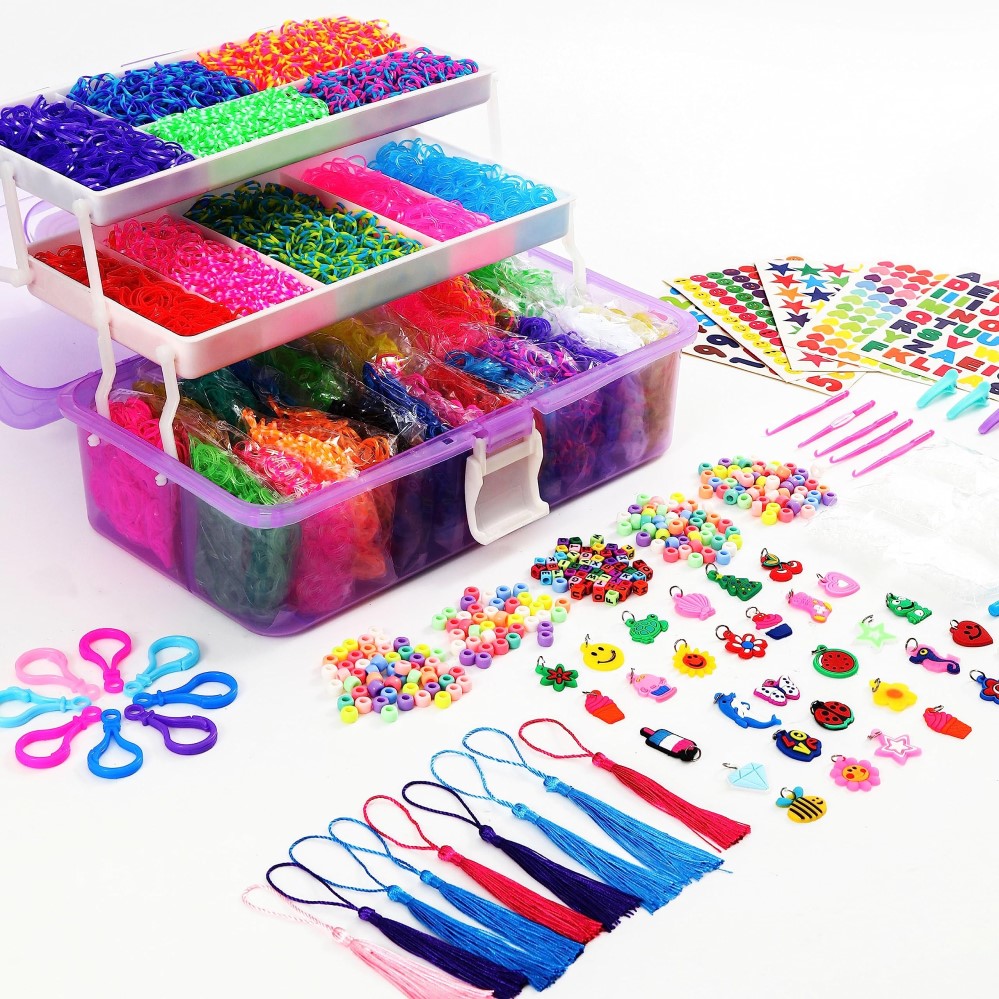
To get started with rubber bands for bracelets, gather a few essential materials. The most important item is, of course, the rubber bands for bracelets themselves. Look for sets labeled as “loom-compatible” if using a weaving tool. These are designed to hold shape better during assembly. High-quality bands resist snapping and fading. Avoid cheap versions that break easily. Durability matters, especially for complex designs.
Next, consider your loom or weaving device. Basic models include plastic pegboards with rows of nails. More advanced users may prefer C-clamp looms or mini weaving frames. Some people skip tools entirely and use their fingers. Finger weaving works well for simple styles like fishtail or braided chains. Kits often include S-shaped hooks or clips. These help secure ends and connect links smoothly. A good hook makes a big difference in precision. It reduces frustration during detailed steps. Storage containers keep everything organized. Small compartments prevent tangles and loss. Labeling sections by color speeds up the process. With proper tools and quality rubber bands for bracelets, anyone can start creating right away. Preparation leads to smoother sessions and better results.
 Creative Designs Using Rubber Bands
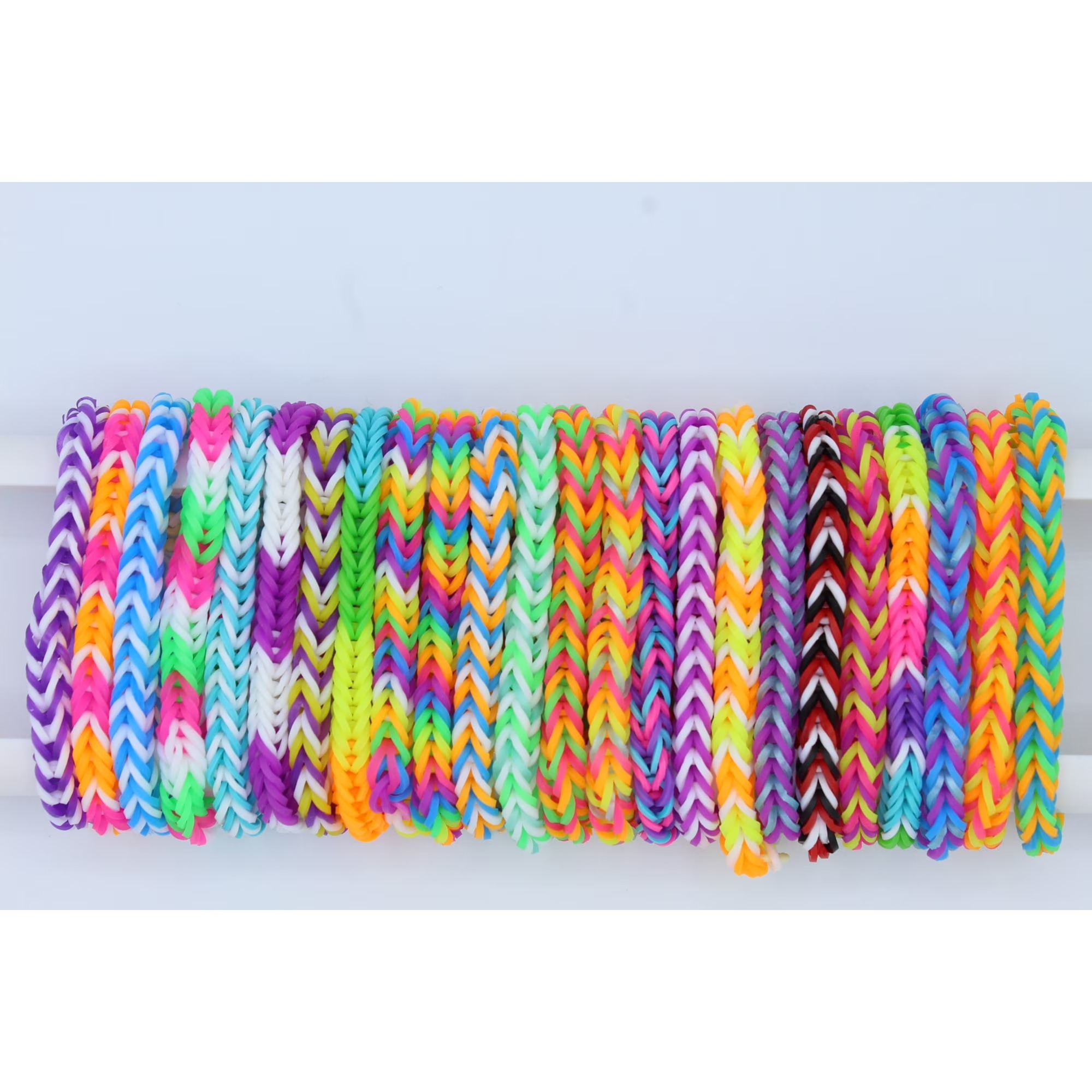
Designing with rubber bands for bracelets opens doors to artistic exploration. One popular style is the rainbow fishtail pattern. It uses alternating colors in a zigzag weave. This creates a dynamic, flowing effect on the wrist. Another favorite is the starburst design. It features radiating lines from a central point. These stand out due to contrast and symmetry. Crafters love experimenting with layering techniques. Stacking different widths adds texture and depth.
Moreover, themed bracelets bring extra fun. Halloween calls for orange and black combinations. Valentine’s Day inspires reds, pinks, and heart-shaped charms. Seasonal trends influence color choices throughout the year. Some makers incorporate beads or charms into their pieces. These accents personalize each bracelet further. Others try 3D effects by building upward instead of flat. Sculptural forms like flowers or animals emerge from careful looping. Advanced builders create wearable art beyond simple bands. Entire necklaces or keychains follow the same principles. All of this starts with basic rubber bands for bracelets. With imagination, limits disappear. Every project becomes a chance to innovate. There’s no single correct way to build. Freedom to explore keeps the craft alive and evolving.
Benefits Beyond Fashion
Using rubber bands for bracelets offers more than just stylish accessories. One major benefit is stress relief. Repetitive motions involved in weaving calm the mind. Similar to knitting or coloring, this activity induces relaxation. Many users report feeling less anxious after crafting. Focusing on patterns distracts from daily worries. The rhythmic nature of looping bands soothes nerves naturally.
Another advantage lies in social interaction. Kids trade bracelets with friends at school. This fosters communication and sharing. Group crafting sessions build teamwork and empathy. In classrooms, teachers use rubber bands for bracelets to encourage cooperation. Students collaborate on large projects or gift exchanges. These interactions strengthen peer bonds. Even adults find community through online forums. Social media groups share tips, challenges, and photos. Members support each other’s progress. Celebrating small wins boosts morale. Additionally, completing a bracelet gives a sense of achievement. Finishing something tangible increases self-esteem. Over time, consistent practice improves dexterity. Hand strength and control improve gradually. Thus, rubber bands for bracelets serve both mental and physical wellness.
 Tips for Long-Lasting Bracelets
Making durable bracelets requires attention to detail. First, always check the tension when weaving. Too tight causes strain on the rubber bands for bracelets. Excessive pressure leads to premature snapping. On the flip side, too loose results in sagging or unraveling. Aim for consistent, moderate stretch across all links. This ensures structural integrity over time. Also, avoid exposing finished pieces to direct sunlight. UV rays degrade elastic materials quickly. Heat weakens fibers and fades colors. Store creations in cool, shaded places when not in use.
Second, consider finishing techniques carefully. Secure knots properly before removing from the loom. Use an S-hook to tuck ends neatly into adjacent loops. Some crafters double-wrap closure points for added strength. Reinforcing high-stress areas prevents early failure. Water exposure should be minimized. Moisture breaks down latex components. Sweat and rain accelerate wear. If a bracelet gets wet, dry it immediately. Gently pat with a soft cloth. Never wring or twist. Lastly, rotate wear between multiple pieces. Giving each bracelet rest periods extends lifespan. Regular maintenance preserves appearance and function. Following these steps ensures your rubber bands for bracelets remain beautiful longer.
Common Mistakes to Avoid
Beginners often make simple errors when working with rubber bands for bracelets. One common issue is skipping steps in pattern guides. Impatience leads to confusion later on. Always read instructions fully before starting. Follow each line in order. Mark progress with notes if needed. Another mistake involves using mismatched band sizes. Mixing thick and thin types disrupts alignment. It creates uneven tension and lopsided shapes. Stick to one size per project unless designing intentionally.
Also, overcrowding the loom causes problems. Packing too many bands onto pegs makes weaving difficult. It increases friction and risk of breakage. Work in manageable sections instead. Remove completed parts promptly. Letting projects sit unfinished invites dust and damage. Another frequent error is improper storage. Leaving bands exposed to air and light deteriorates quality. Keep them sealed in resealable bags or cases. Label containers clearly. This saves time during future sessions. Finally, neglecting hand hygiene affects materials. Oils from skin transfer to rubber bands for bracelets. This accelerates aging and discoloration. Wash hands before handling. Clean tools regularly. Avoiding these pitfalls leads to better outcomes.
 Frequently Asked Questions (F&Q)
What are rubber bands for bracelets made of?
Most rubber bands for bracelets are made from latex-free synthetic rubber. This material provides flexibility without causing allergic reactions. Some contain silicone blends for extra durability. Non-latex options suit sensitive skin. Manufacturers prioritize safety, especially for children’s products. Always check labels if allergies are a concern. The composition affects stretch, color retention, and longevity. High-grade compounds resist drying and cracking.
Can I wash bracelets made from rubber bands?
It’s best to avoid washing rubber bands for bracelets with water. Moisture weakens the material over time. Instead, wipe gently with a dry or slightly damp cloth. Spot clean any dirty areas carefully. Never soak or machine wash. Exposure to soap and detergents damages elasticity. For odor removal, leave the bracelet in a ventilated area overnight. Air circulation helps refresh without harm.
How long do rubber bands for bracelets last?
With proper care, rubber bands for bracelets can last several weeks to months. Frequent wear shortens lifespan due to constant stretching. Occasional use preserves integrity longer. Factors like sweat, sunlight, and friction play roles. Rotating between multiple pieces helps extend overall durability. Inspect regularly for signs of wear. Replace any band showing cracks or loss of elasticity.
Are rubber bands for bracelets safe for kids?
Yes, rubber bands for bracelets are generally safe for children. Supervision is recommended for younger users. Small parts like hooks or clips pose choking hazards. Ensure age-appropriate tools are used. Choose non-toxic, lead-free materials. Teach proper handling and storage habits early. Encourage cleaning hands before and after crafting. Safety glasses may help during fast-paced weaving.
Where can I buy quality rubber bands for bracelets?
You can find rubber bands for bracelets at craft stores, toy shops, and online marketplaces. Look for reputable brands with positive reviews. Read product descriptions thoroughly. Check for compatibility with your loom type. Bulk packs offer better value for frequent crafters. Specialty shops may carry rare colors or limited editions. Compare shipping costs and return policies when ordering online.
How to Store and Organize Your Supplies
Keeping rubber bands for bracelets organized enhances the crafting experience. Start by investing in compartmentalized cases. Clear plastic boxes with dividers allow quick visibility. Sort bands by color, size, or theme. Label each section for faster access. This system saves time during complex builds. It also prevents tangling, which wastes materials.
Use resealable bags for spare or seasonal collections. Vacuum-sealed pouches protect against humidity. Store larger kits on shelves away from windows. Direct light fades colors and weakens elasticity. Keep tools in separate pouches or trays. Hooks, looms, and clips should have dedicated spots. Routine organization encourages regular use. When everything has a place, setup becomes effortless. Disassembly and cleanup follow naturally. Teaching kids this habit promotes responsibility. They learn to respect materials and workspace. A tidy environment supports creativity. Clutter-free zones reduce distractions. Ultimately, good storage practices preserve your rubber bands for bracelets. They ensure long-term enjoyment and success.
 Conclusion
Rubber bands for bracelets continue to inspire creativity worldwide. Their appeal spans age groups, cultures, and skill levels. Simple in concept yet limitless in application, they empower self-expression. From playful schoolyard trades to intricate wearable art, their role evolves constantly. The process teaches patience, planning, and precision. Yet it remains joyful and approachable.
Crafting with rubber bands for bracelets nurtures both mind and spirit. It combines logic and imagination seamlessly. Whether used for therapy, education, or fashion, their impact is real. Communities form around shared passion. Online platforms amplify voices and ideas. New techniques emerge through collaboration. Trends shift, but the core joy stays unchanged. Anyone can begin with minimal investment. Success comes not from perfection but participation. Each loop represents effort and care. Every bracelet carries meaning beyond its threads. In a fast-moving world, such mindful activities offer grounding. They remind us to slow down and create. So pick up your loom, sort your colors, and start today. Let rubber bands for bracelets guide your next journey into handmade beauty.