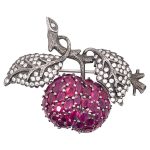
A brooch for men is no longer a rare accessory. It has evolved into a powerful fashion statement. Today, more men are embracing this elegant piece as part of their daily style. Whether worn on a lapel, jacket, or hat, it adds sophistication and personality. The idea that brooches are only for women is outdated. Modern masculinity welcomes creativity and self-expression.
Men have worn decorative pins throughout history. Knights used them to fasten cloaks. Military officers wore insignia to denote rank. Diplomats displayed national emblems. These traditions show that a brooch for men has always carried meaning. It was never just about decoration. It symbolized identity, status, and belonging.
Now, designers are reimagining the brooch for contemporary tastes. Materials range from polished metals to sustainable wood and resin. Shapes include abstract forms, animals, geometric patterns, and cultural symbols. Some brooches even incorporate smart elements like LED lights. This innovation keeps the accessory fresh and relevant.
Wearing a brooch can elevate even the simplest outfit. A plain coat gains character with one well-placed pin. A suit becomes distinctive without being flashy. The key is balance. Choose a design that matches your vibe. Avoid overcrowding. One strong piece often speaks louder than several small ones.
This guide explores how men can confidently wear brooches today. We’ll cover styles, placements, occasions, and pairings. You’ll learn how to choose the right brooch for your look. Most importantly, you’ll see why a brooch for men is not just acceptable—it’s stylish.
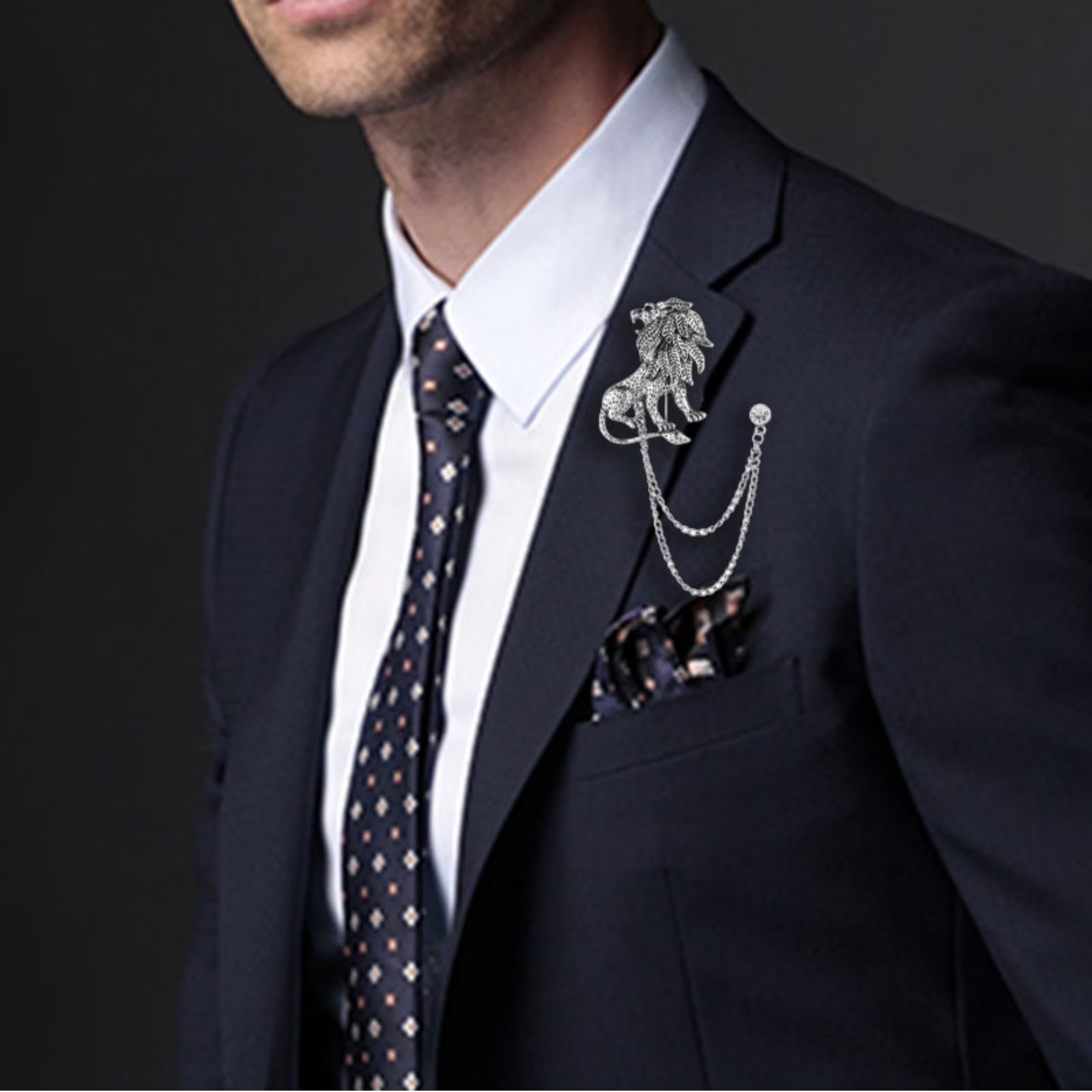 Why Men Should Consider Wearing a Brooch
Adding a brooch to your wardrobe introduces a new dimension to personal style. It allows subtle expression without loud branding. Unlike logos or slogans, a brooch communicates quietly. Yet its impact can be profound. People notice details, especially when they’re intentional.
A brooch also serves as a conversation starter. Colleagues might ask about its origin. Friends could admire its craftsmanship. Even strangers may comment on its uniqueness. These interactions build connections. They open doors to shared interests or stories.
Secondly, a brooch helps define individuality. In a world of mass-produced clothing, standing out matters. You don’t need to dress extravagantly. A single accessory can set you apart. It shows thoughtfulness in appearance. That attention to detail reflects confidence.
Moreover, many men use brooches to represent values. Environmental advocates wear nature-themed designs. Humanitarians support causes with symbolic colors. Veterans display medals or unit crests. Each piece tells a story beyond fashion. It becomes a badge of honor or belief.
Some view accessories as feminine. But true style knows no gender. Confidence comes from wearing what feels authentic. If a brooch resonates with you, then it belongs in your collection. Society’s norms continue to shift. Today’s man embraces both strength and sensitivity.
Classic Styles of Brooch for Men
Traditional brooch designs for men tend to be understated. They focus on clean lines and meaningful motifs. Cufflink-style brooches are popular. These resemble miniature timepieces or compasses. Their mechanical look appeals to engineers, travelers, and watch enthusiasts.
Another classic type is the heraldic brooch. It features coats of arms, family crests, or national flags. Many men inherit these from ancestors. Others commission custom versions. These pieces connect wearers to heritage. They carry pride and lineage in a visible way.
Military-inspired brooches remain widely respected. Rank insignias, winged emblems, and service badges fall into this category. Veterans often wear them at reunions or ceremonies. Active-duty personnel may display them off-duty. These are not fashion choices alone—they honor duty and sacrifice.
Then there are nature-based designs. Animal silhouettes like wolves, eagles, or stags symbolize traits such as courage and freedom. Tree or mountain motifs reflect resilience and grounding. These resonate with outdoorsmen and environmentalists alike. They blend ruggedness with artistry.
Geometric brooches appeal to minimalists. Circles, triangles, and angular shapes create visual interest. Often made from brushed steel or matte black metal, they suit modern wardrobes. Pair them with monochrome outfits for maximum effect. Simplicity here enhances elegance.
Each of these styles offers a different message. The wearer decides which aligns with his identity. Choosing the right one depends on context and comfort. A formal event calls for tradition. Casual settings allow experimentation. There’s a classic brooch for every kind of man.
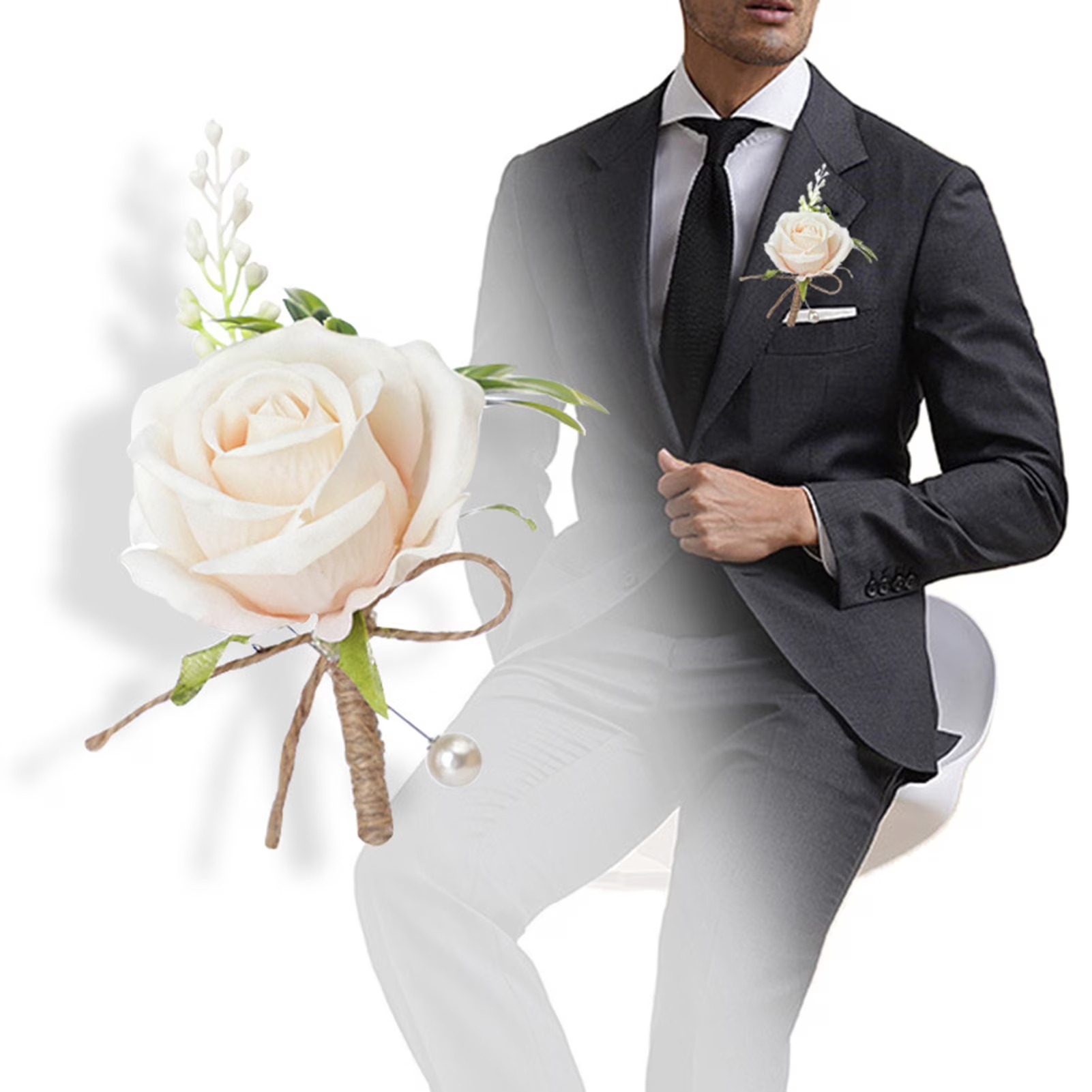 Where to Wear a Brooch on Men’s Clothing
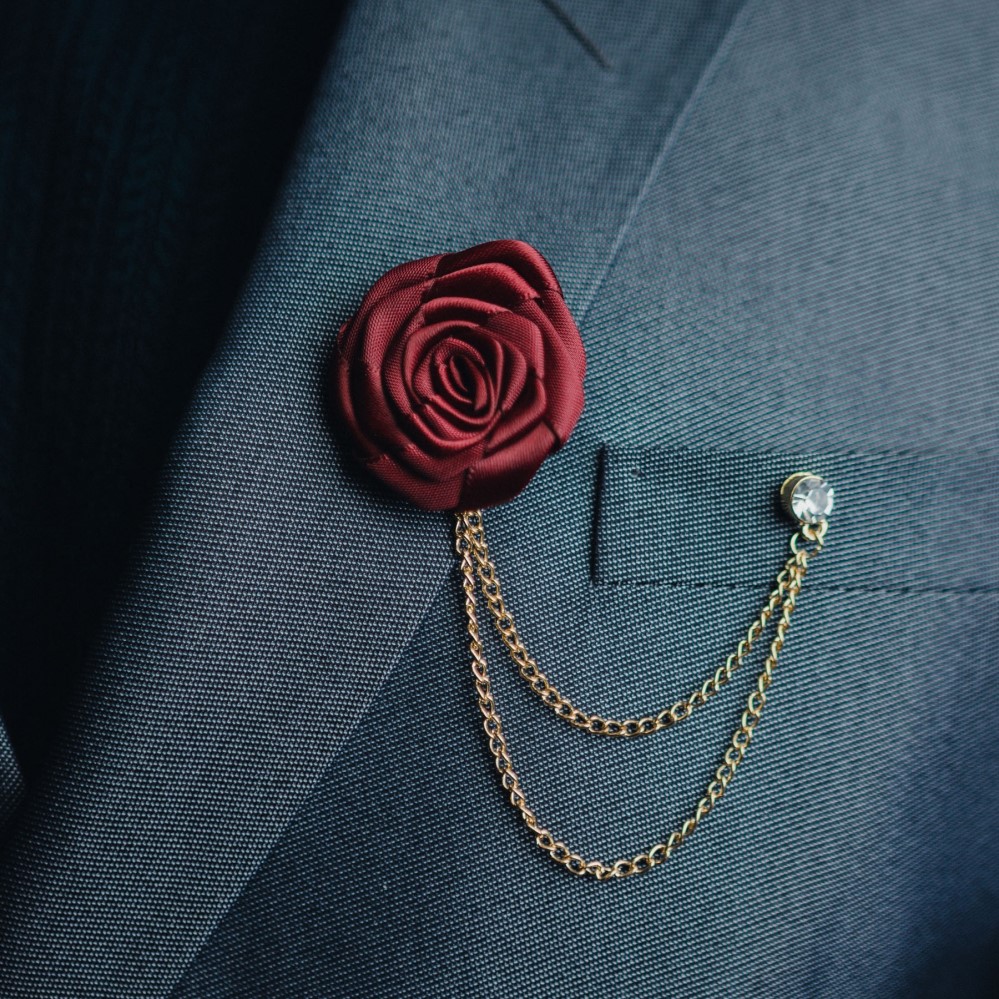
The most common spot is the left lapel of a jacket or blazer. This placement follows traditional suit etiquette. It sits naturally near the heart. The eye is drawn upward, enhancing facial presence. Use a small to medium-sized brooch here. Oversized pieces may overwhelm the frame.
You can also place a brooch on the right side for contrast. Asymmetry creates visual tension. This works well in creative industries or informal gatherings. Just ensure it doesn’t clash with other accessories like pocket squares or watches.
Another effective location is the collar of a coat or overcoat. Especially useful in winter, this draws attention to outerwear. Long wool coats benefit from a metallic accent near the shoulder line. It breaks up solid colors and adds polish.
Shirts offer less obvious but equally valid options. Pin a small brooch near the top button of a dress shirt. Do this under an open jacket or cardigan. Avoid delicate fabrics like silk unless the pin is secure and gentle. Test first to prevent tearing.
Hats are increasingly popular bases for brooches. Fedoras, flat caps, and trilbies all accept decorative pins. Place it on the side band for a dapper touch. Make sure the material can support the weight. Felt and wool hats handle brooches better than straw.
Even bags and belts can host a brooch. Attach one to a leather satchel or briefcase. This personalizes work gear. For belts, slide the pin through the loop where ends meet. It transforms a basic belt into a standout piece. Always check stability before walking around.
Pairing a Brooch with Different Outfits
When wearing a tailored suit, keep the brooch refined. Choose a metallic finish that matches your cufflinks or tie bar. Silver pairs with gray or blue suits. Gold complements brown or beige tones. Avoid clashing metals. Consistency strengthens the overall impression.
Placement should remain simple. One brooch on the lapel suffices. Too many accessories distract. Let the cut of the suit shine. The brooch acts as a highlight, not the main attraction. This approach works well in business meetings or formal dinners.
For casual wear, experiment freely. Denim jackets welcome bold or quirky brooches. Think vintage badges, band logos, or handmade enamel pieces. Layer multiple small ones for a personalized collage effect. Space them evenly across the chest or sleeve.
Knitwear like sweaters or vests also accepts brooches. Wool and cotton blends hold pins securely. Place the brooch near the neckline or pocket area. This adds structure to loose-fitting garments. Avoid overly heavy pieces that might stretch the fabric.
Outerwear provides ample space. Trench coats, pea coats, and parkas all benefit from accent details. Larger brooches work here due to scale. A wildlife-themed pin on a hiking jacket reinforces identity. A city skyline brooch on an urban coat reflects lifestyle.
Even swimwear cover-ups can feature brooches. Use waterproof or corrosion-resistant types. Attach them to beach robes or sarongs. Remove before entering water. Proper care ensures longevity. These combinations prove that a brooch for men fits diverse contexts.
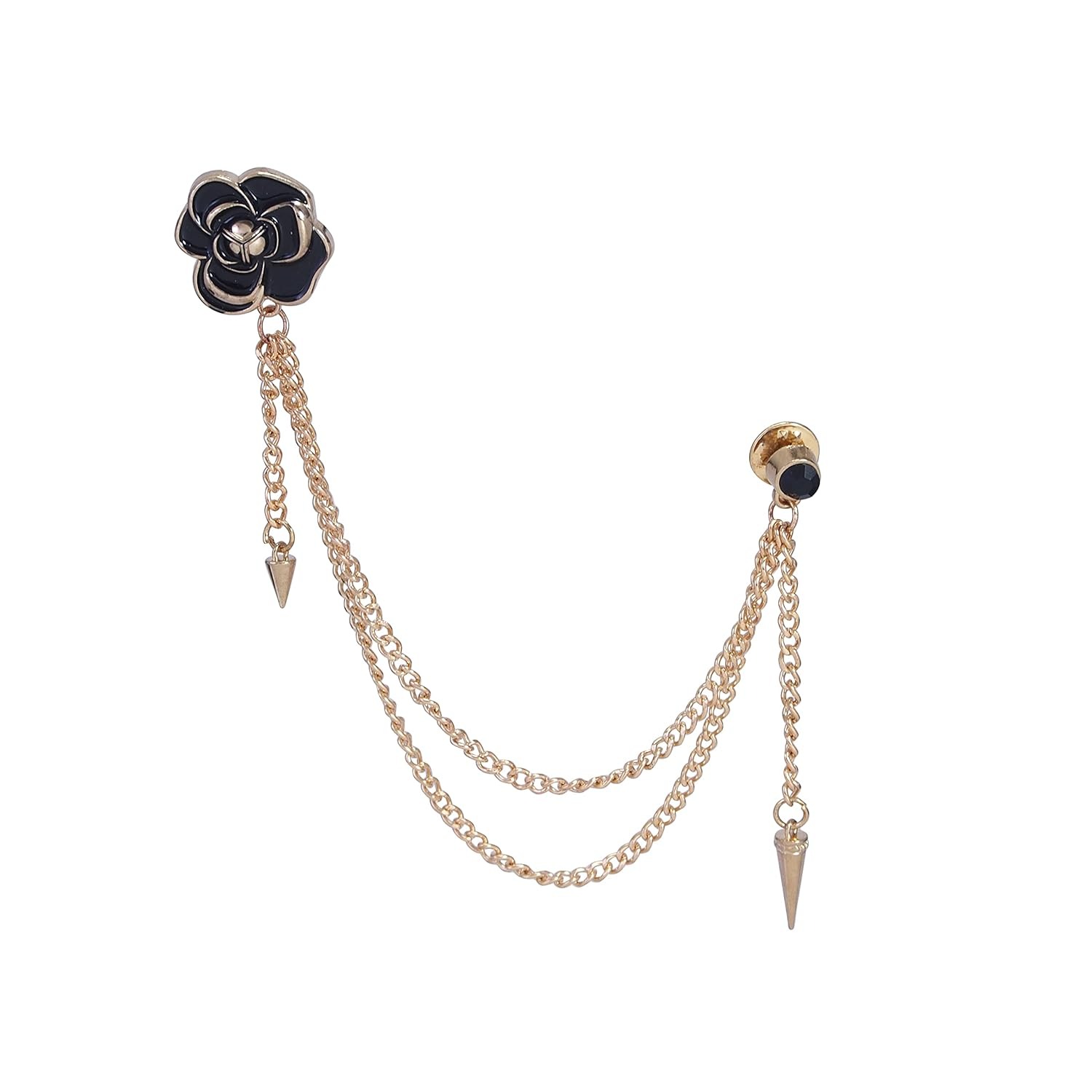 Occasions That Call for a Brooch
Formal events are ideal for showcasing a brooch. Weddings, galas, and award ceremonies call for refined details. Grooms often wear matching brooches with boutonnieres. Fathers and ushers may coordinate theirs for unity. These moments celebrate connection and tradition.
Religious services sometimes involve symbolic brooches. Crosses, stars, or spiritual icons express faith. Wear them respectfully on outer garments. Ensure visibility without drawing undue attention. Size should remain modest unless required by ritual.
Business conferences and networking events benefit from subtle brooches. Industry-specific designs—like architecture sketches or tech symbols—signal expertise. Charity fundraisers allow cause-related pins. Breast cancer ribbons or rainbow motifs promote awareness. These show values beyond profit.
Creative fields encourage bolder choices. Art openings, music festivals, and theater premieres welcome expressive accessories. Artists might wear brooches representing their craft. Musicians could display instrument-shaped pins. These personalize professional identity.
Travel occasions also inspire brooch use. Collect souvenir brooches from different countries. Wear them during return visits or cultural events. They spark conversations and preserve memories. A map or landmark brooch becomes a wearable journal.
Even everyday life offers opportunities. Commuting, shopping, or meeting friends can include a brooch. Rotate your collection based on mood or weather. Rainy days call for darker tones. Sunny ones invite brighter accents. Making it routine builds confidence.
 How to Choose the Right Brooch for Your Personality
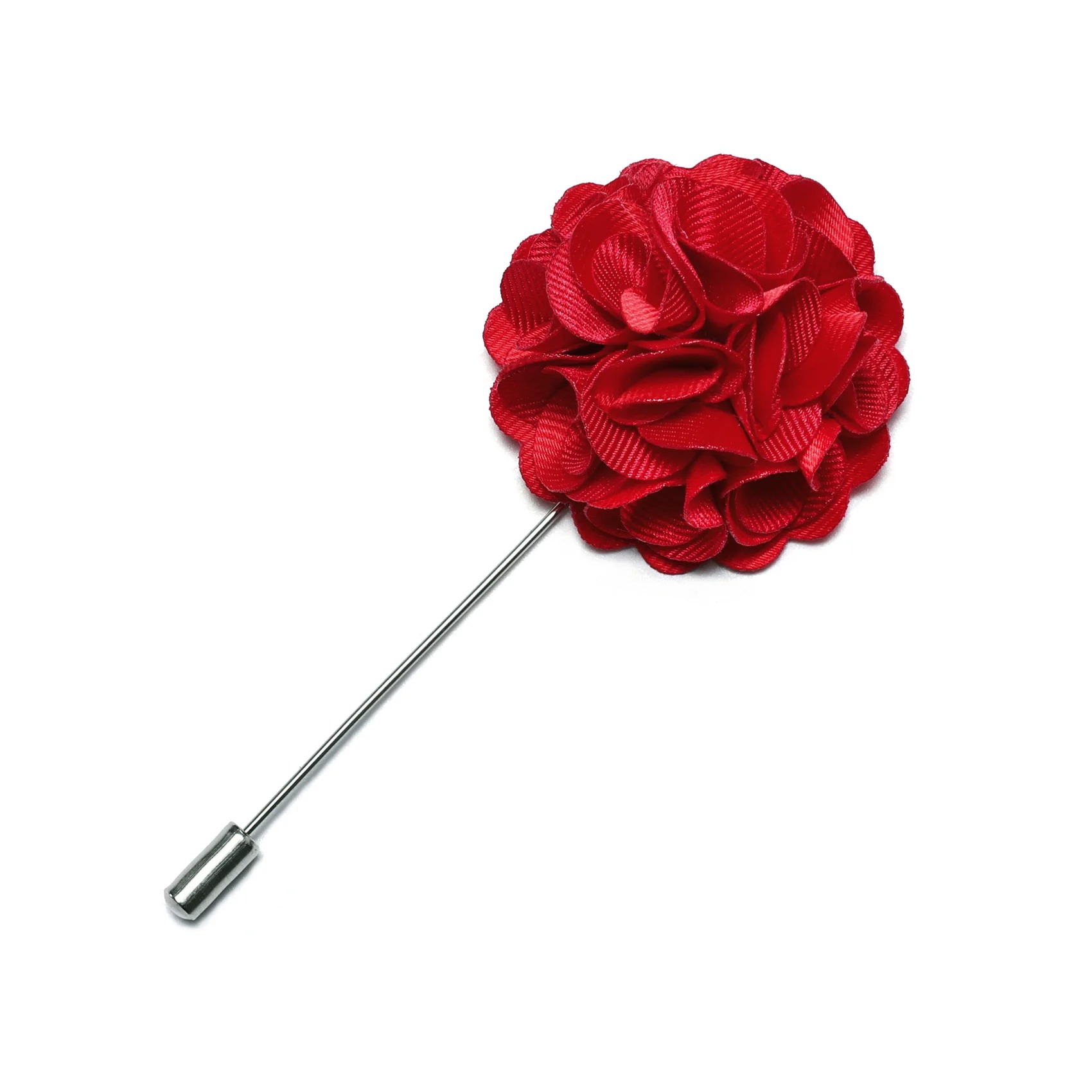
Your brooch should reflect who you are. Start by identifying your core traits. Are you adventurous? Analytical? Artistic? Compassionate? Match the design to your inner qualities. A compass brooch suits explorers. A puzzle piece speaks to problem-solvers.
Consider your profession too. Lawyers may prefer sleek, authoritative designs. Teachers might choose educational symbols. Engineers appreciate technical motifs. Aligning your brooch with your career strengthens authenticity. It becomes part of your professional image.
Color plays a role in expression. Darker hues like black, navy, or charcoal convey seriousness. Bright colors suggest energy and openness. Metallic shades add timeless elegance. Pick a tone that complements your usual palette. Monochrome wardrobes suit silver or gunmetal best.
Size affects perception. Large brooches command attention. They suit confident individuals comfortable in the spotlight. Smaller ones whisper refinement. They appeal to those who value subtlety. Choose based on how much you want to stand out.
Material choice also matters. Precious metals imply durability and value. Wood or resin suggests eco-consciousness. Recycled materials highlight sustainability. Each option sends a message about priorities. Think about what you want to communicate.
Finally, trust your gut. If a brooch makes you smile, it’s probably right. Emotion guides better than trends. Build a collection over time. Mix vintage finds with modern purchases. Let your style evolve naturally. A brooch for men grows with the man.
Common Questions
Is a brooch considered feminine when worn by men?
No, a brooch is not inherently feminine. Historically, men wore them more frequently than women. Knights, royalty, and soldiers used brooches as functional and symbolic items. Today’s fashion rejects rigid gender rules. What matters is confidence and intent.
Society is evolving. Men now embrace jewelry once deemed “for women.” Earrings, necklaces, and rings are common. A brooch falls into this expanding category. It expresses taste, not gender. Wear it proudly if it feels right.
Can I wear more than one brooch at a time?
Yes, but with caution. Multiple brooches can work if balanced. Avoid clustering them together. Spread them across different areas—lapel, hat, bag. Vary sizes and themes slightly while keeping a unifying element like color or material.
Too many pins create clutter. The eye won’t know where to focus. Stick to two at most in formal settings. Three or more fit better in artistic or themed events. Always prioritize harmony over quantity. Less is often more.
How do I prevent damaging my clothes with a brooch?
Use care when pinning. Insert the needle slowly and straight. Avoid pulling or twisting, which can tear fabric. For delicate materials, consider magnetic or clip-on alternatives. These reduce risk while maintaining style.
Inspect the back of the brooch regularly. Dull or bent pins cause snags. Replace faulty clasps promptly. Store brooches separately in padded boxes. This prevents scratches and maintains function. Prevention ensures long-term enjoyment.
Are there brooches designed specifically for men?
Yes, many brands create brooches with masculine aesthetics. These feature angular shapes, dark finishes, and strong symbolism. Themes include machinery, nature, warfare, and mythology. Look for collections labeled “menswear” or “unisex.”
However, don’t limit yourself. Gender-specific labels are fading. A beautiful piece transcends categories. If a design speaks to you, wear it. True style ignores artificial boundaries. Focus on fit, theme, and meaning instead.
 Final Thoughts
The brooch for men is experiencing a renaissance. Once seen as outdated or overly ornamental, it now stands as a mark of modern elegance. It bridges tradition and innovation. It honors history while adapting to current culture. Any man can adopt it—regardless of age, style, or background.
As fashion continues to evolve, so will the role of men’s accessories. The brooch will remain relevant because it is versatile. It works on suits, jackets, hats, and bags. It suits formal events and casual outings. It adapts to seasons, moods, and messages.
Choosing to wear a brooch takes courage. It defies outdated stereotypes. It says you value detail and self-expression. It proves that masculinity includes grace and artistry. Every pin is a declaration of individuality.
In closing, remember that a brooch for men is not a trend. It is a timeless addition to any wardrobe. Explore styles, try placements, and find what fits you. Let your brooch tell your story—one subtle, shining moment at a time.