Understanding the Basics of a Classic Fashion Piece
What is a brooch? At its core, it is a decorative pin worn on clothing. It fastens to fabric with a metal clasp or safety mechanism. People wear it for beauty, symbolism, or both. You will often see it on lapels, collars, scarves, and dresses. Its design can be simple or highly detailed.
This accessory serves more than just visual appeal. Historically, it had practical uses too. Long before buttons became common, people used brooches to hold garments together. Over time, fashion evolved, but the brooch remained. Today, what is a brooch if not a blend of function and artistry? It continues to stand as a symbol of personal style and cultural meaning.
 Common Types and Their Distinctive Features
Traditional Styles Still in Use
One of the most recognized forms is the lapel brooch. Men and women use it to accentuate jackets and coats. These are usually small and elegant. They often feature geometric shapes or classic motifs like flowers and animals.
Another popular type is the enamel brooch. It uses colored glass-like material set into metal frames. These come in bright hues and smooth finishes. Many vintage pieces fall into this category. Their durability and shine make them favorites among collectors. Each piece tells a story through color and craft.
Modern Variations and Creative Designs
Today’s market includes many innovative versions. The magnetic brooch offers an alternative for delicate fabrics. It avoids puncturing materials while staying secure. This makes it ideal for silk or lace garments. Some users prefer it for ease of use.
Artists also create sculptural brooches. These go beyond flat designs. They feature 3D elements that rise from the base. Materials like resin, wood, and mixed media expand creative options. These bold pieces often serve as conversation starters. They reflect individuality and modern tastes.
Historical Origins and Evolution Over Centuries
Early Uses in Ancient Civilizations
Long before modern fashion, early societies developed brooch-like tools. In ancient Greece and Rome, people used a device called a fibula. It resembled a large safety pin. Its main role was functional. It held cloaks and tunics in place.
These early pins were made from bronze or iron. As metalworking improved, artisans added engravings. Nobles began wearing more elaborate versions. By the Iron Age, fibulae showed social status. Regional styles emerged across Europe. What is a brooch today stems directly from these ancient roots.
Transformation Through the Middle Ages and Beyond
During the medieval period, brooches gained symbolic importance. They appeared in royal courts and religious ceremonies. Kings and queens wore ornate versions studded with gems. These signaled wealth and power.
The Victorian era brought emotional depth to their use. Women wore brooches to honor loved ones. Some contained hidden compartments. These held hair, photos, or notes. Sentimental value grew alongside artistic detail. By the 20th century, brooches became mainstream fashion items. Designers incorporated them into everyday wardrobes.
 Materials and Craftsmanship Behind the Design
Common Materials Used
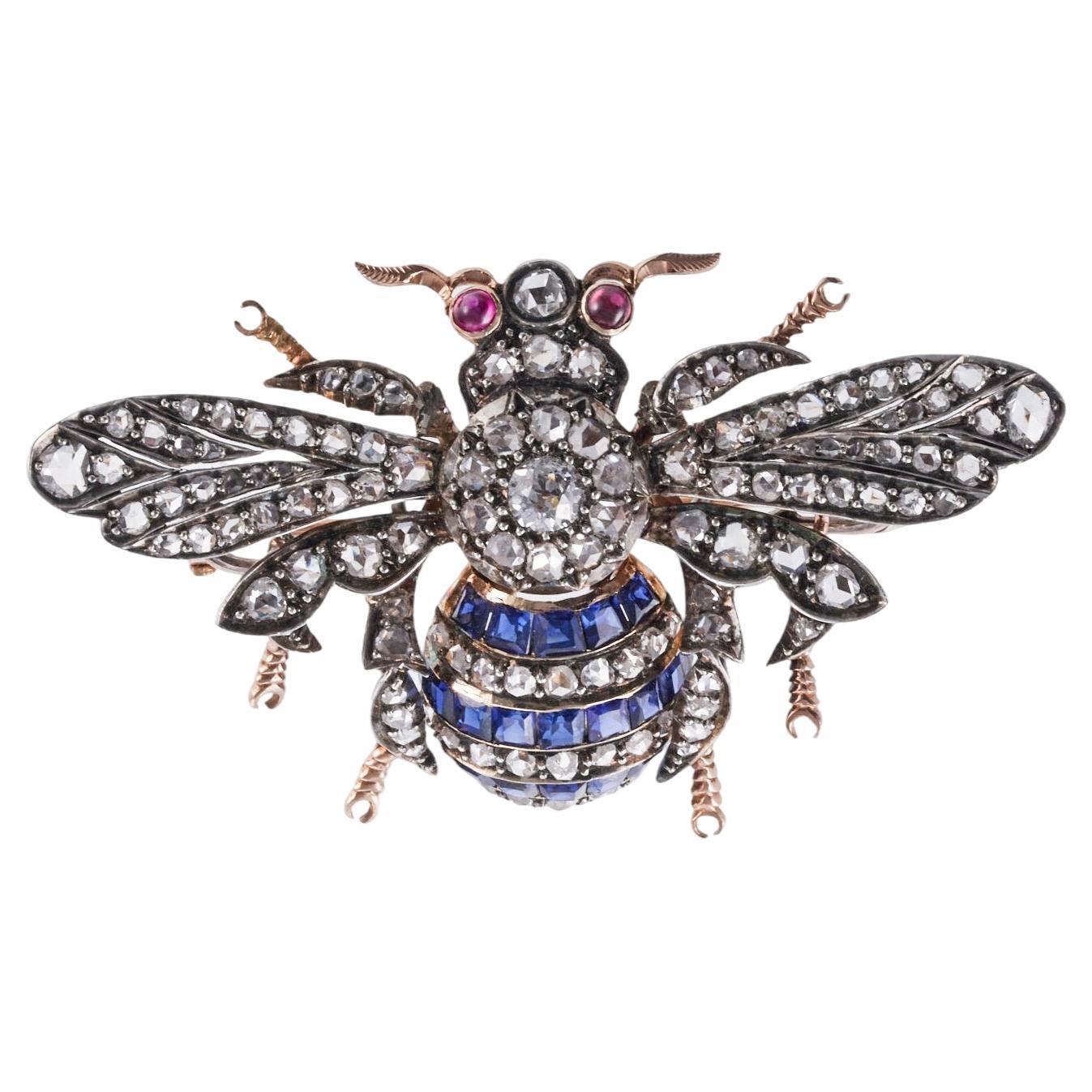
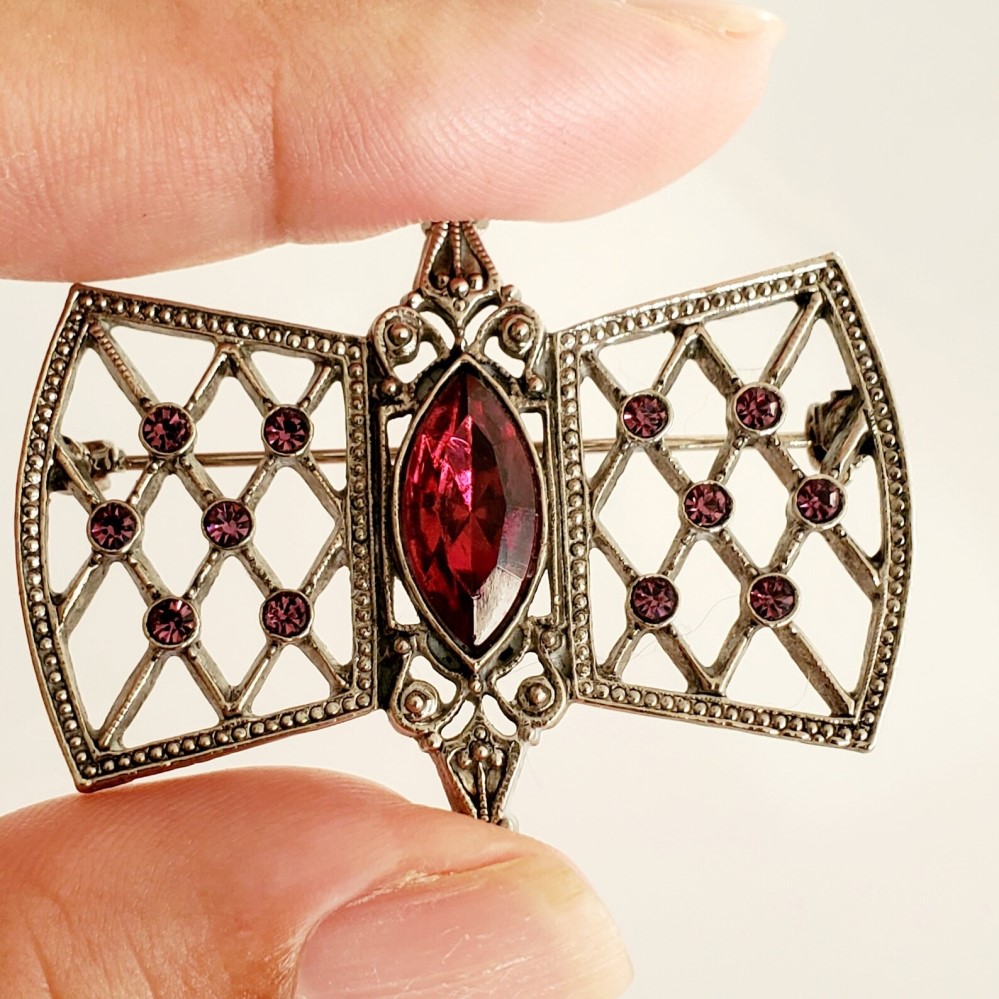
Manufacturers select various substances to craft these accessories. Metal bases provide structure and durability. Brass, silver, and gold plating are standard choices. These enable intricate detailing without high costs. Enamel filling adds vibrant color and smooth texture. Some include rhinestones or crystals for sparkle.
Fabric-covered versions offer a softer appearance. Velvet or silk bases mimic vintage charm. These require careful stitching to maintain shape. Resin molds allow consistent shapes in bulk production. Each material brings unique qualities to the final product. Buyers can select based on preference for shine, weight, or comfort.
Handmade vs. Mass-Produced Pieces
Handcrafted brooches stand out due to individuality. Artisans spend hours shaping, polishing, and assembling each component. Limited runs mean fewer duplicates exist. Collectors value these for authenticity and story. Such pieces often become heirlooms passed through generations.
Mass-produced items prioritize consistency and affordability. Factories use molds and automated processes to meet demand. While less unique, they offer accessibility. Many enjoy collecting different styles without high expense. Both types serve important roles in the market. Personal taste determines which appeals more. Either way, craftsmanship ensures quality regardless of scale.
 Symbolism and Meaning Across Cultures
Cultural Interpretations Around the World
Different cultures attach varied meanings to brooch designs. In Scotland, clan badges appear on traditional kilt pins. These signal heritage and pride. Celtic knots symbolize eternity and connection.
In Eastern Europe, floral brooches often mark rites of passage. Brides wear them during weddings as tokens of fertility. In Japan, kimono accessories include small decorative pins. These reflect seasonal changes and poetic themes. Across continents, brooches carry messages beyond decoration.
Emotional and Psychological Impact
Wearing brooches can boost confidence and mood. The act of choosing and wearing jewelry is inherently personal. Selecting a favorite reinforces identity. Seeing oneself looking polished enhances self-image. Small details contribute to overall satisfaction.
Colors and styles further influence emotional response. Red evokes passion, blue calms, and pink soothes. A bright brooch may lift spirits on dull days. Gifting one carries emotional weight too. It shows thoughtfulness and appreciation. These intangible benefits deepen their value in daily life.
Where to Wear for Maximum Effect
Formal Events and Special Occasions
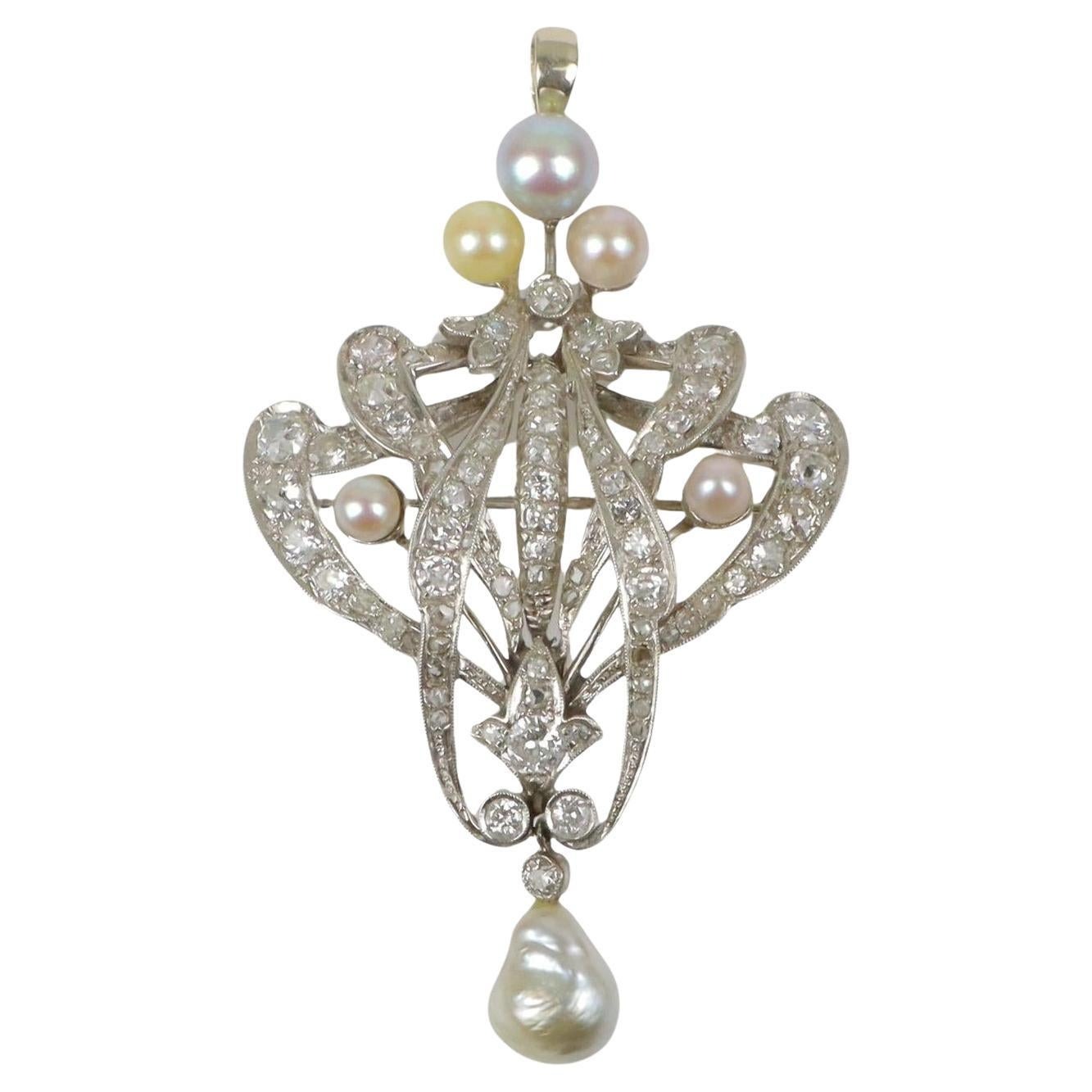
At weddings, galas, and award ceremonies, brooches add distinction. Women often pair them with evening gowns or tailored suits. Position one on the shoulder strap or bodice for prominence. Matching the piece to shoe or clutch color creates cohesion. Pearl-accented versions suit traditional attire beautifully.
Men increasingly adopt the trend at formal gatherings. A discreet brooch on a tuxedo lapel breaks monotony. Monochrome schemes keep it elegant. Couples sometimes coordinate accessories for unity. Photographers capture these details, preserving memories. Such moments highlight their role in milestone events.
Everyday and Casual Settings
Even outside grand events, brooches shine. Attach one to denim jackets for a playful twist. Use it to secure scarves or shawls practically. Backpacks and tote bags become personalized with this touch. Children’s clothing benefits from colorful, safe designs.
Office wear improves with tasteful accents. A muted version complements business attire. It signals professionalism with a hint of personality. Teachers, artists, and entrepreneurs wear them proudly. These small choices reflect inner creativity. Daily routines feel brighter with intentional adornment.
 Caring for Your Treasured Accessories
Cleaning and Maintenance Tips
Proper care extends the lifespan of any accessory. For metal parts, use a soft cloth to remove fingerprints and dust. Avoid harsh chemicals that may damage plating. Soaking is not recommended, especially for glued components. Gently wipe fabric areas with a damp sponge if needed.
Store each piece separately to prevent scratches. Soft pouches or lined boxes work best. Keep away from humidity and direct sunlight. Check pins regularly for looseness. Tighten mechanisms carefully to avoid breakage. Routine maintenance keeps your brooches looking fresh.
Repair and Restoration Options
Damaged pieces don’t always need replacement. Skilled jewelers can reattach fallen stones or repair clasps. Fabric elements might require re-stitching by hand. Vintage finds often benefit from professional restoration. Experts assess condition and recommend treatments.
Some brands offer repair services for their products. Independent artisans also specialize in fixing antique pieces. Replacing missing parts authentically preserves value. Even heavily worn accessories can regain luster. Investing in repairs supports sustainable fashion practices. A restored piece tells a richer story than a new one.
Frequently Asked Questions About This Classic Accessory
What exactly is a brooch?
A brooch is a decorative pin worn on clothing. It attaches using a metal pin and clasp system. Most are made from metal, enamel, or fabric. They range in size from tiny dots to large statement pieces.
People wear them on jackets, dresses, scarves, and hats. What is a brooch if not a fusion of art and utility? It can fasten garments or simply enhance appearance. Its purpose depends on design and wearer intent.
How do I wear a brooch correctly?
Start by choosing the right spot. Common places include lapels, collars, and pockets. For dresses, try the neckline or waistline. Scarves look elegant when pinned at one corner.
Use gentle pressure when inserting the pin. Avoid forcing it through thick layers. Always engage the safety catch. This prevents loss and fabric damage. With practice, placement becomes second nature.
Can men wear brooches?
Yes, men can absolutely wear this style. Gender norms in fashion continue to evolve. Subtle, monochrome designs integrate seamlessly into masculine wardrobes. Lapels, pocket squares, and coat collars accept them gracefully.
Designers now create unisex and male-oriented versions. These feature angular lines and darker hues. Men wear them for weddings, performances, or artistic expression. Confidence matters more than outdated rules. Anyone can embrace brooches with pride.
Are brooches appropriate for all ages?
Absolutely. Children enjoy whimsical, colorful versions. Teens use them to express individuality. Adults appreciate classic or designer models. Seniors cherish sentimental or inherited pieces.
Age does not limit appeal. Design variety accommodates every stage of life. Parents introduce kids to accessories early. Grandmothers pass down treasured items. This category transcends generations naturally.
Where can I buy authentic brooches?
Purchase from reputable sources. Jewelry stores, department shops, and boutiques carry curated selections. Online marketplaces offer vast choices but require caution. Read reviews and check seller ratings carefully.
Vintage collectors find treasures in estate sales and auctions. Artisan fairs support local creators. Brand websites guarantee authenticity and after-sales service. Always verify return policies and warranties. Buying wisely protects your investment.
 Final Thoughts on Lasting Appeal
What is a brooch if not a timeless bridge between past and present? It links ancient function with modern fashion. Its journey spans centuries and continents. From fibulae in Rome to runway statements today, it remains relevant.
Brooches enhance diverse experiences. They thrive in handmade forms and factory-made lines alike. Care and creativity prolong their relevance across lifetimes. As fashion cycles repeat, this accessory remains steady. People will keep discovering their magic anew. Whether inherited or newly bought, brooches earn their place in any collection. Their legacy grows with each wearer who dares to adorn with intention.