A silver brooch is more than just a decorative pin. It carries history, artistry, and personal meaning. For centuries, people have used silver brooches to fasten garments. They also served as symbols of status, faith, or affiliation. Today, the silver brooch remains a versatile accessory. It enhances both formal and casual outfits with subtle shine.
Silver has always been prized for its luster and durability. Unlike gold, it offers a cooler tone that complements many skin tones. It pairs well with dark and light fabrics alike. This makes the silver brooch a smart choice for any wardrobe. Whether vintage or modern, its appeal crosses generations.
Designers continue to innovate with this classic material. Some create minimalist geometric shapes. Others craft intricate floral or animal motifs. Enamel inlays add color without overpowering the metal’s natural glow. Each piece reflects careful craftsmanship and attention to detail.
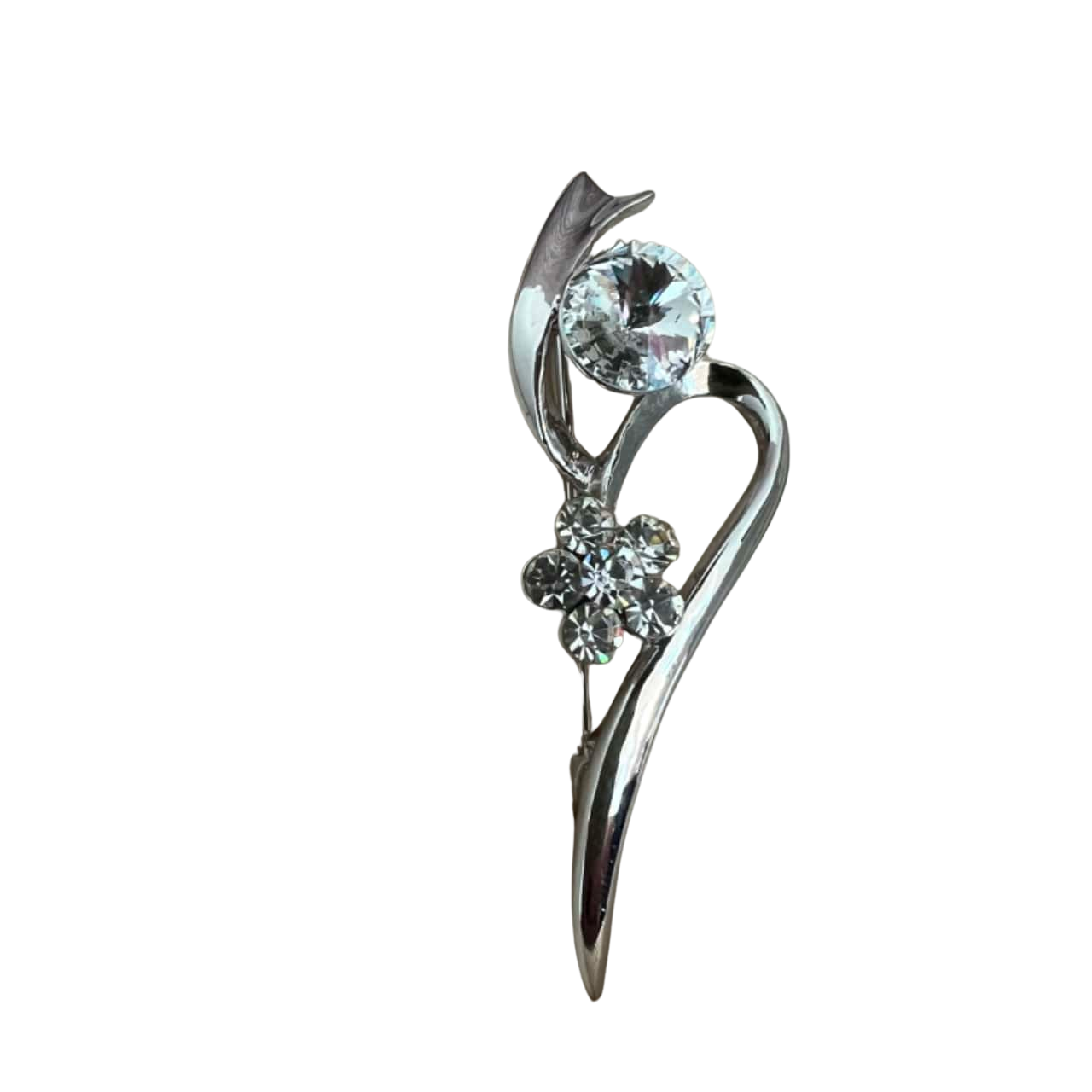 Why Choose a Silver Brooch Over Other Metals
Silver offers several advantages over other metals. First, it is more affordable than gold or platinum. This makes the silver brooch accessible to more people. You can build a collection without overspending. Quality pieces are available at various price points.
Second, silver has a bright, reflective surface. It catches light beautifully, especially in natural sunlight. This adds a soft glow to your appearance. It draws attention without being flashy. A well-placed silver brooch enhances facial features by guiding the eye upward.
Another benefit is versatility. Silver goes with almost every color. It works with black, white, navy, gray, and pastels. Even bold hues like red or emerald green pair well with silver. You don’t need to match it exactly to other jewelry. Its neutral tone blends effortlessly.
In contrast, gold can clash with cool-toned outfits. Rose gold may not suit all complexions. Silver avoids these issues. It maintains harmony across diverse ensembles. This flexibility makes it ideal for everyday wear.
Moreover, silver ages gracefully. Over time, it develops a patina—a slight darkening on the surface. Some collectors love this vintage look. Others prefer to polish it back to shine. Either way, the metal tells a story through its changes.
Finally, many silver brooches are made from recycled materials. Eco-conscious buyers appreciate this sustainability factor. Choosing silver supports ethical fashion practices. It reduces environmental impact compared to newly mined metals.
Popular Styles
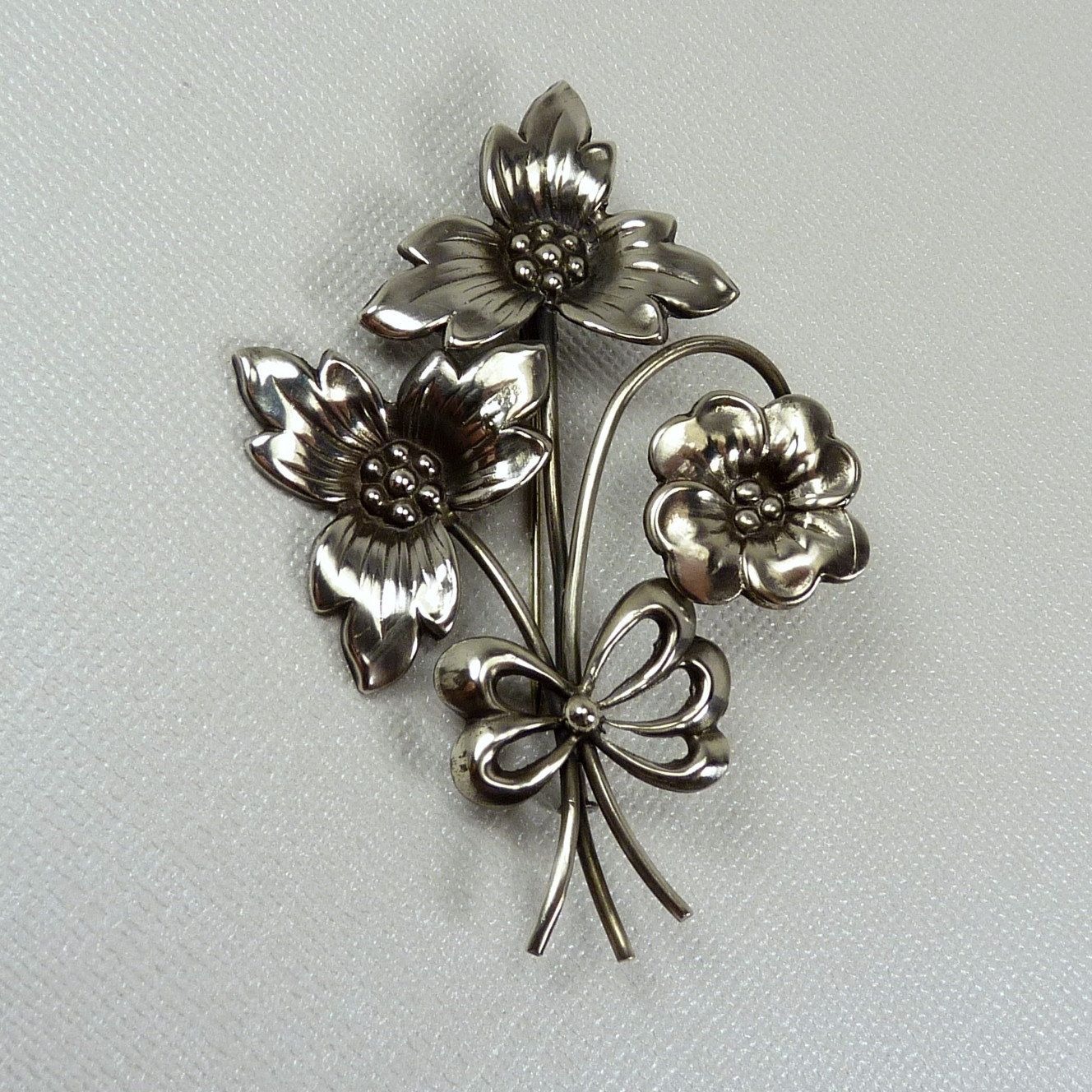
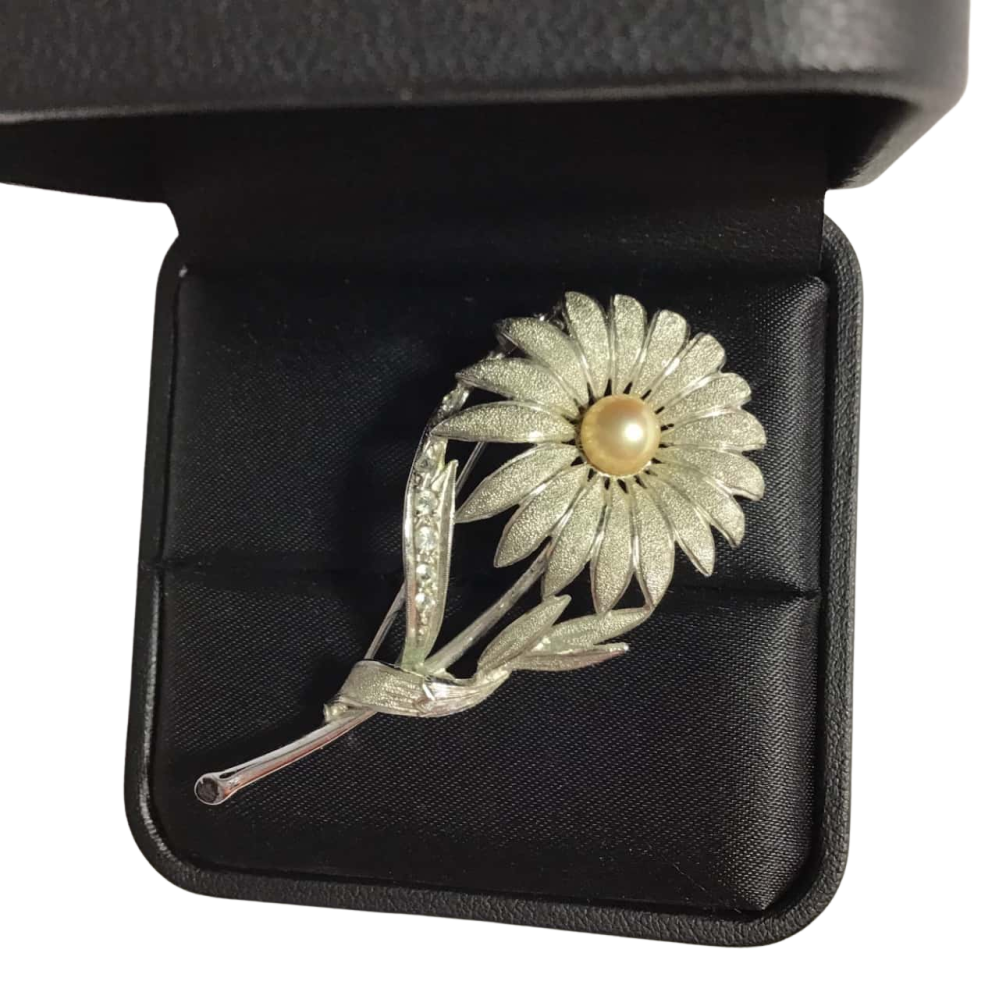
Floral designs are among the most beloved silver brooch styles. Roses, daisies, and lilies appear in delicate engravings. Petals may be textured for realism. Some include colored enamel centers. These brooches feel romantic and timeless. They suit spring outfits and garden parties.
Animal-themed silver brooches are also widely popular. Cats, birds, butterflies, and wolves appear frequently. These often symbolize traits like freedom, wisdom, or independence. Wearers connect emotionally with their chosen creature. A bird might represent travel dreams. A fox could reflect cleverness.
Geometric patterns offer a modern alternative. Circles, triangles, and abstract lines create visual interest. These suit minimalists and lovers of contemporary design. Pair them with monochrome clothing for strong effect. Their clean lines enhance structured silhouettes.
Celtic and heritage-inspired brooches hold deep cultural meaning. Knotwork patterns symbolize eternity and connection. Many trace back to ancient Irish or Scottish traditions. Worn during festivals or family events, they honor ancestry. They make meaningful gifts for relatives.
Religious symbols are another common category. Crosses, stars of David, and Om signs appear in silver form. These express faith quietly but clearly. People wear them during services or daily life. The silver brooch becomes a personal emblem of belief.
Then there are novelty and whimsical designs. Teacups, books, musical notes, or celestial bodies spark joy. These work well for themed gatherings or hobbies. A writer might wear a quill-shaped brooch. An astronomy lover chooses a moon and star combo. Fun pieces show personality without words.
Each style serves a different purpose. Some highlight elegance. Others celebrate identity. All share the beauty of silver craftsmanship. With so many options, finding your perfect silver brooch is easier than ever.
 Where to Wear a Brooch on Your Outfit
The lapel is the most traditional place for a silver brooch. Attach it to the left side of a jacket or blazer. Position it just above the pocket line. This placement follows classic tailoring rules. It creates balance and draws focus to the upper body.
You can also use symmetry. Place matching silver brooches on both lapels of a double-breasted coat. This works especially well with formal wear. Avoid overcrowding. One or two pieces are enough for clarity. Let the rest of the outfit breathe.
Another elegant option is the collar of a dress or blouse. Pin it near the top button for a refined touch. This works on silk, cotton, or wool fabrics. Be cautious with delicate materials. Use gentle pressure to avoid tearing. Test on an inconspicuous area first.
Scarves offer creative opportunities. Drape a lightweight scarf and secure it with a silver brooch. Place it at the corner or center front. This keeps the fabric in place while adding sparkle. Silk scarves respond especially well to metallic accents.
Hats accept brooches too. Fedora wearers often pin a small silver piece to the side band. Berets and cloches also welcome decoration. Choose a design that matches the hat’s texture. Felt and wool handle pins better than straw.
Even bags and belts can host a silver brooch. Clip one onto a handbag strap or clutch. This personalizes an ordinary accessory. For belts, attach it where the ends meet. It turns a plain belt into a statement piece.
Shawls, capes, and coats provide larger surfaces. Use bigger silver brooches here for proportion. A large floral or abstract piece stands out beautifully. Winter outerwear gains elegance with this addition. The silver brooch elevates even the simplest coat.
How to Match a Brooch with Jewelry and Clothing
Coordination is key when styling a silver brooch. Start with your existing jewelry. If you wear silver rings or earrings, the brooch should match. Uniform metal tones create cohesion. Mixing silver with gold can work, but requires careful planning.
For a polished look, align the finish. Matte silver brooches go with brushed or satin-finish rings. Polished ones pair with shiny necklaces. Consistency in texture strengthens the overall impression. It shows attention to detail.
When pairing with clothing, consider color balance. A silver brooch contrasts sharply against black or navy. It blends softly with gray or white. On patterned fabrics, pick a hue from the design. This ties the brooch into the outfit naturally.
Avoid clashing with busy prints. A large silver brooch may overwhelm a floral shirt. Instead, wear it on solid layers underneath. A cardigan or vest offers a clean canvas. Layering helps control visual weight.
Formal wear calls for restraint. At weddings or galas, choose one standout piece. Let the silver brooch complement—not compete with—other elements. Pair it with a simple necklace or cufflinks. Keep the rest understated.
Casual outfits allow more freedom. Denim jackets, sweaters, and t-shirts welcome playful combinations. Layer multiple small silver brooches for a curated effect. Space them evenly across the chest or sleeve.
Seasons influence choices too. Lighter colors and smaller brooches suit spring and summer. Heavier, bolder designs fit autumn and winter. A snowflake brooch feels right in December. A sun motif shines in July.
Ultimately, trust your instinct. If the combination feels harmonious, it probably is. Fashion rules exist to guide, not confine. A silver brooch should reflect your comfort and confidence.
 Symbolism and Meaning Behind Designs
Many silver brooches carry deeper meanings. Hearts symbolize love and compassion. Gifting one expresses affection. Locks and keys suggest protection or secrets. Together, they represent unity between two people. These are popular for anniversaries or friendships.
Butterflies stand for transformation and renewal. People wear them after major life changes. Graduates, new parents, or those overcoming challenges choose this motif. The silver brooch becomes a personal milestone marker.
Arrows point forward, indicating direction and determination. They appeal to goal-driven individuals. Some wear them as reminders to stay focused. Paired with feathers, they suggest freedom and lightness.
Celestial symbols like moons, stars, and constellations evoke mystery and wonder. Night sky lovers wear them to feel connected to the universe. A crescent moon brooch may honor spiritual beliefs. Zodiac signs personalize the experience further.
Celtic knots have no beginning or end. They symbolize eternal love and interconnectedness. Often worn at weddings, they reflect lasting bonds. Families pass them down through generations. The silver brooch becomes heirloom treasure.
Animals convey traits through symbolism. Owls represent wisdom. Lions stand for courage. Dolphins reflect joy and community. Wearers adopt these qualities as part of their identity. The silver brooch acts as a silent affirmation.
Religious icons carry sacred significance. Crosses affirm Christian faith. Hamsas offer protection in Middle Eastern cultures. Each design holds power beyond aesthetics. They remind the wearer of values and beliefs.
Even abstract shapes communicate. Spirals suggest growth. Triangles indicate stability. Circles reflect wholeness. These minimal forms speak subtly but deeply. The silver brooch becomes a private message to oneself.
Caring for Your Brooch
Proper care keeps your silver brooch looking beautiful. Always remove it before bathing, swimming, or exercising. Water and sweat accelerate tarnishing. Chemicals in lotions or perfumes can damage the surface. Store it safely when not in use.
Clean gently with a soft cloth. Use a dedicated silver polishing cloth for best results. Avoid abrasive cleaners. Toothpaste or baking soda may scratch the metal. Stick to products designed for silver only.
If tarnish appears, don’t panic. Tarnish is normal for silver. It forms due to exposure to air and sulfur. Use a mild silver dip solution occasionally. Rinse thoroughly and dry immediately. Never soak for long periods.
Store each silver brooch separately. Wrap it in anti-tarnish paper or place it in a sealed pouch. Exposure to other metals can cause reactions. Cotton-lined boxes work well. Avoid plastic bags that trap moisture.
Check the pin mechanism regularly. Ensure the clasp is secure and functional. A loose hinge could lead to loss. Repair or replace faulty parts promptly. This prevents accidents and extends lifespan.
Keep away from direct sunlight and heat. Prolonged exposure fades enamel and weakens adhesives. Store in a cool, dry place. Drawers or closets are ideal locations.
For vintage or antique pieces, extra caution is needed. Consult a professional for deep cleaning. Avoid DIY methods on rare items. Preservation matters more than shine.
Regular maintenance ensures longevity. A cared-for silver brooch can last decades. It may even become a family heirloom. Treat it with respect, and it will reward you with lasting beauty.
 Common Questions
Does a silver brooch tarnish over time?
Yes, all silver brooches tarnish eventually. This happens due to chemical reactions with air and moisture. Tarnish appears as a dull or dark layer on the surface. It does not mean the piece is damaged. In fact, some collectors appreciate the vintage look.
To slow tarnishing, store your silver brooch properly. Use anti-tarnish strips or cloths. Keep it in a closed container. Avoid humid environments like bathrooms. Regular wiping with a soft cloth helps maintain shine.
Can I wear a silver brooch every day?
Absolutely. Daily wear is possible with proper care. Choose durable designs with strong clasps. Avoid wearing it during physical activities. Remove it before washing hands or applying skincare products.
Rotate your brooches to reduce strain. This prevents excessive wear on one piece. Daily use builds familiarity and confidence. Over time, it becomes a natural part of your style.
Is sterling silver better than plated silver?
Sterling silver contains 92.5% pure silver. It is more valuable and longer-lasting. Silver-plated items have a thin coating over base metal. They wear off faster and may cause skin irritation.
For lasting quality, choose sterling silver. Look for “925” stamps on the back. These verify authenticity. Plated versions are cheaper but less durable. Invest in sterling for heirloom potential.
How do I know if my silver brooch is authentic?
Check for hallmarks. Genuine pieces often have “925,” “Sterling,” or maker’s marks. These appear on the back or clasp. Weight also helps—real silver feels heavier than fake.
If unsure, consult a jeweler. They can test the metal content accurately. Avoid unmarked items from unreliable sources. Authenticity ensures value and safety.
 Final Thoughts
The silver brooch continues to captivate fashion lovers worldwide. Its blend of elegance, meaning, and versatility makes it timeless. From ancient clasps to modern art pieces, it evolves without losing essence. Anyone can find a silver brooch that speaks to them.
It transcends age, gender, and culture. Men wear it on lapels. Women pin it to scarves. Children inherit family pieces. Each generation adds new stories. The silver brooch connects past, present, and future.
More than decoration, it is a form of expression. It reveals passions, memories, and beliefs. A single pin can say what words cannot. It invites curiosity and admiration. It turns ordinary moments into memorable ones.
As trends come and go, the silver brooch remains. It adapts to new styles and materials. Yet its core charm stays unchanged. Shine, simplicity, and significance define it. Owning one means owning a piece of living art.