

Introduction
The Conventional Role of Sand Bags
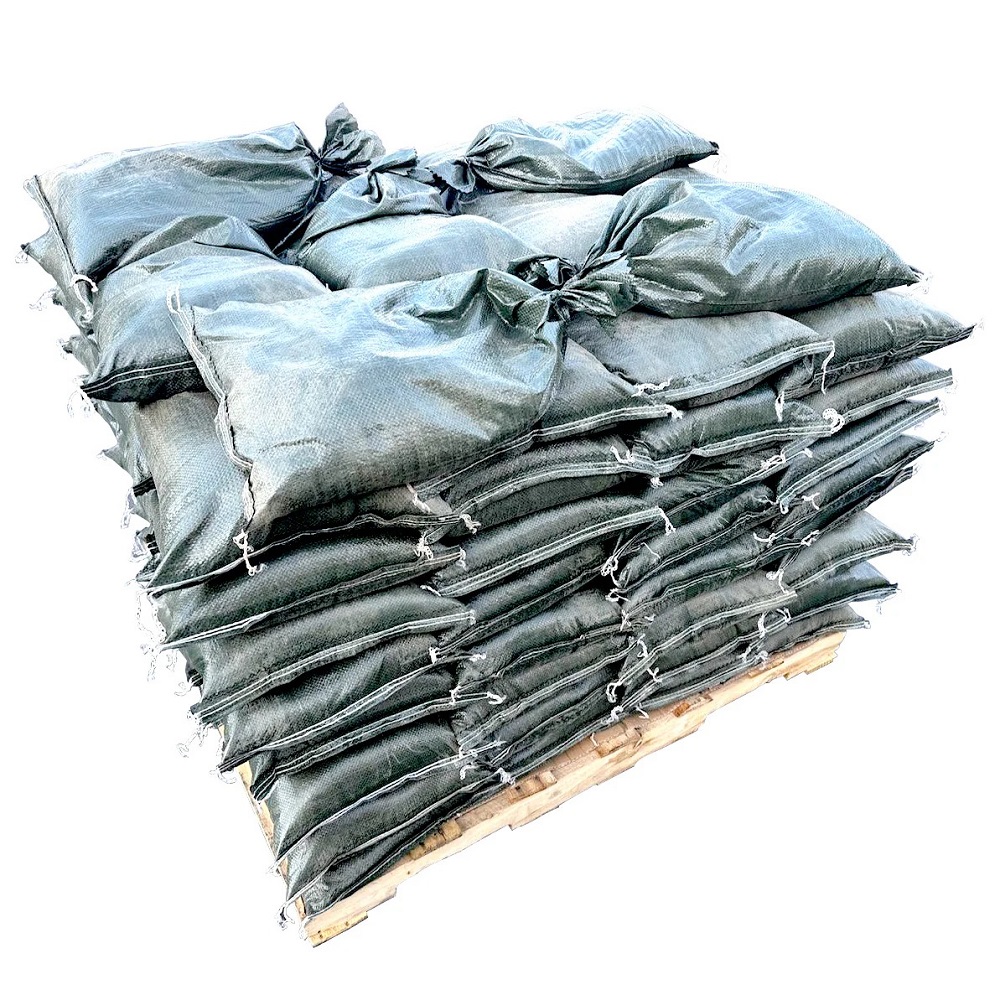
Sand bags have long been synonymous with flood management, serving as effective barriers designed to control water flow and protect properties from the destructive forces of rising waters. Traditionally crafted from durable materials like burlap or plastic, these bags are filled with sand or soil and stacked strategically to create levees and protective walls. Their simple yet functional i has made them a staple tool for emergency responders, construction sites, and even public events. However, as we face increasingly complex environmental challenges, it’s clear that sand bags possess a wealth of untapped potential that extends far beyond their primary application.
The Need for Innovative Solutions
With the escalating impacts of climate change and rapid urbanization, flood risks are becoming more prevalent, necessitating a rethinking of conventional strategies to tackle these challenges. Traditional flood management methods often fall short in adaptability and sustainability. Therefore, seeking innovative solutions is crucial—not only to mitigate floods but also to make productive use of materials like sand bags in diverse contexts. By exploring creative repurposing opportunities, we can enhance the resilience of our communities and increase efficiency in resource use.
Purpose of the Article
In this article, we will embark on a journey to unravel the various innovative uses for sand bags that lie beyond flood protection. Our aim is to showcase their versatility and inspire individuals and communities to engage in creative and sustainable practices. From landscaping and construction projects to art installations and educational initiatives, sand bags can play a pivotal role across different domains. By shifting our perspective, we can collectively harness their potential to address multiple social, environmental, and cultural needs.
Sand Bags in Construction
Temporary Supports for Structures
Within the construction industry, sand bags often serve as critical temporary supports during various phases of building projects. They create stable conditions on uneven or unstable soil, which is essential during foundation work. For instance, when building homes or commercial structures on hilly or soft ground, sand bags can provide much-needed stability that minimizes the risk of foundation damage. Furthermore, they are easy to handle and adjust, allowing for quick adaptations in response to shifting soil conditions as the project progresses.
Erosion Control Measures
Another essential function of sand bags in construction is erosion control. Construction sites are inherently at risk of soil erosion, especially during heavy rainfall or high winds. By strategically placing sand bags along slopes or around newly disturbed soil areas, construction teams can significantly reduce the amount of soil loss during adverse weather conditions. This not only protects the integrity of the project but also helps maintain site conditions compliant with environmental regulations, ultimately leading to fewer fines and project delays.
Cost-Effective Solutions
In addition to their practical benefits, sand bags emerge as a highly cost-effective solution for construction challenges. Purchasing and filling sand bags is generally more economical in comparison to more permanent structures such as concrete walls or drainage systems. For contractors operating under tight budgets or short timelines, the affordability and accessibility of sand bags make them an attractive option. By minimizing costs while effectively addressing project needs, sand bags can contribute to overall project success and client satisfaction.
Landscaping Applications
Creating Garden Beds
Sand bags offer gardeners a unique and innovative method for creating raised garden beds. By stacking bags into desired configurations, gardeners can build sturdy and functional garden frames that support a variety of plants. This method enhances drainage and soil aeration, leading to healthier plants and improved yields. Additionally, raised garden beds can help to extend gardening seasons by warming the soil more quickly in the spring, allowing for earlier planting. This adaptability can revolutionize how urban gardeners make use of limited outdoor space.
Defining Walkways and Borders
With a creative approach, sand bags can be utilized to define walkways and borders in landscaping projects. Arranging sand bags in well-thought-out patterns provides both visual appeal and functional benefits. Whether used to guide visitors through garden pathways or to outline flower beds, their rustic aesthetic adds character to any outdoor space. This flexibility not only allows for easy redesign but also enables gardeners to tailor their landscape to personal taste without significant investment in more permanent fixtures.
Flower and Vegetable Retention
Using sand bags to retain soil around flower beds and vegetable patches contributes to an organized and healthy gardening environment. By keeping mulch, soil, and plants in place, sand bags prevent unwanted runoff and soil erosion. This containment approach leads to improved moisture retention, which is particularly beneficial in drier conditions. Gardeners can thus maximize the growth potential of their plants and reduce the frequency of watering, leading to more sustainable gardening practices overall.

Artistic Endeavors
Sculpture and Installation Art
In the realm of contemporary art, sand bags are emerging as a fascinating medium for sculptural works and large-scale installations. Artists creatively explore their forms, textures, and potential for movement, employing sand bags to convey complex themes or social messages. This innovative use encourages viewers to rethink their preconceived notions about art and materiality, bridging the gap between functional objects and profound aesthetic experiences.
Community Art Projects
Sand bags can also become a canvas for collective artistic expression in community art projects. Local artists and residents can collaborate to create large-scale installations that reflect their cultural heritage and community identity. Utilizing sand bags as both structural and artistic elements encourages civic engagement and empowers individuals to actively participate in shaping their environments. This process fosters community spirit and highlights the power of art as a catalyst for dialogue and change.
Environmental Themes
Artists often use sand bags to address critical environmental themes, blending creativity with activism. By employing sand bags in thought-provoking installations that raise awareness about issues such as climate change, erosion, and waste management, artists challenge audiences to confront uncomfortable truths about our relationship with the environment. This artistic representation can galvanize community action and promote a deeper understanding of sustainability, prompting viewers to consider their roles in conservation efforts.

Environmental Protection
Long-Term Flood Mitigation
Beyond their immediate use in flood response, sand bags can play a vital role in long-term environmental protection strategies. For example, after a flood, communities can use sand bags filled with organic materials to create barriers that help regenerate ecosystems. Instead of simply serving as a temporary fix, these sand bags can foster the recovery of native flora and fauna, contributing to the restoration of local habitats and dampening future flood impacts.
Wildlife Habitat Creation
Sand bags also find utility in wildlife conservation efforts, particularly in wetland restoration projects. By carefully arranging sand bags, conservationists can create natural terrains that provide shelter and breeding grounds for various species. This application helps maintain biodiversity and reinforces the interconnection between human activities and ecological harmony. Engaging communities in such projects can also increase awareness and stewardship of local ecosystems.
Biodiversity Promotion
Integrating sand bags into environmental initiatives can significantly contribute to biodiversity promotion. By supporting the growth of diverse plant species, sand bag installations can lure a variety of wildlife, creating balanced ecosystems. This approach emphasizes the importance of considering biodiversity in urban planning and restoration efforts, showcasing how simple resources can lead to profound ecological benefits.
Emergency Management Training
Real-World Simulation Exercises
Emergency management agencies can leverage the versatility of sand bags in training simulations. By staging realistic flood scenarios that require the set-up of levees and barriers using sand bags, first responders enhance their preparedness for real-life emergencies. This practical training method builds confidence and equips participants with the necessary skills for effective disaster response, ultimately contributing to community safety.
Engaging Community Workshops
Community workshops focusing on sand bag usage empower residents to become proactive in their emergency preparedness. Providing hands-on training in building and filling sand bags exposes community members to invaluable skills they can apply during actual flooding events. Additionally, these workshops foster partnerships between residents and emergency services, reinforcing collaboration and trust within the community.
Building Confidence and Preparedness
Participating in training workshops helps build confidence among locals regarding disaster preparedness. Individuals who understand how to effectively use sand bags for flood protection feel more empowered to take action when emergencies strike. This increased familiarity leads to greater community resilience, as residents can work collectively to safeguard their neighborhoods from potential disasters.
Sports and Recreation
Versatile Fitness Tools
In recent years, sand bags have found a new niche as versatile fitness tools among fitness enthusiasts. By filling them up to different weights, individuals can utilize sand bags for strength training, resistance exercises, and dynamic workouts, enhancing their fitness routines. The adaptability of sand bags encourages creativity, as users can incorporate them into various exercises, from squats to lunges to weightlifting, offering a functional alternative to traditional gym equipment.
Fun Backyard Games
Beyond fitness, sand bags can also be introduced into recreational activities and backyard games, creating opportunities for fun and friendly competition. Games like cornhole or sack races benefit from the incorporation of sand bags, making them an engaging addition to social gatherings or family picnics. This playful use not only entertains but also fosters bonding among family and friends, adding excitement to outdoor activities.
Community Engagement Through Sports
Organizing events that utilize sand bags for sports can engage communities in a spirited and inclusive manner. Such events promote teamwork and bring individuals together, reinforcing neighborhood ties. By encouraging participation in light-hearted competitions and activities focused on sand bags, organizers can create a sense of community while promoting physical wellness in a fun, interactive environment.
Education and Awareness
A Resource for STEM Education
Educators can effectively incorporate sand bags into STEM curricula to provide hands-on learning experiences for students. Engaging students in activities that explore properties such as mass, force, and fluid dynamics using sand bags makes abstract concepts tangible. These practical lessons foster critical thinking and encourage students to explore scientific principles through experimentation and inquiry.
Environmental Education Initiatives
Sand bags can serve as essential teaching tools in environmental education, allowing students to engage with themes related to ecology and conservation. Schools can initiate projects that explore water management, soil erosion, and plant growth using sand bags. Through participatory learning, students gain a deeper understanding of environmental issues, cultivating a mindset of stewardship and responsibility toward nature.
Collaborative Learning Experiences
Incorporating sand bags into collaborative learning experiences encourages teamwork and fosters problem-solving skills among students. By working on group projects or challenges that involve sand bags, students learn to communicate effectively and draw upon one another’s strengths. This kind of collaborative learning not only builds academic skills but also nurtures interpersonal relationships that last a lifetime.
Sustainable Practices
Recycling in Production
The movement towards sustainability has spurred interest in producing sand bags made from recycled materials. Companies are exploring options for transforming repurposed plastics and textiles into durable sand bags, which minimizes environmental impact. This innovation not only supports efforts to reduce waste but also promotes responsible consumer choices that can lead to long-term ecological benefits.
Biodegradable Alternatives
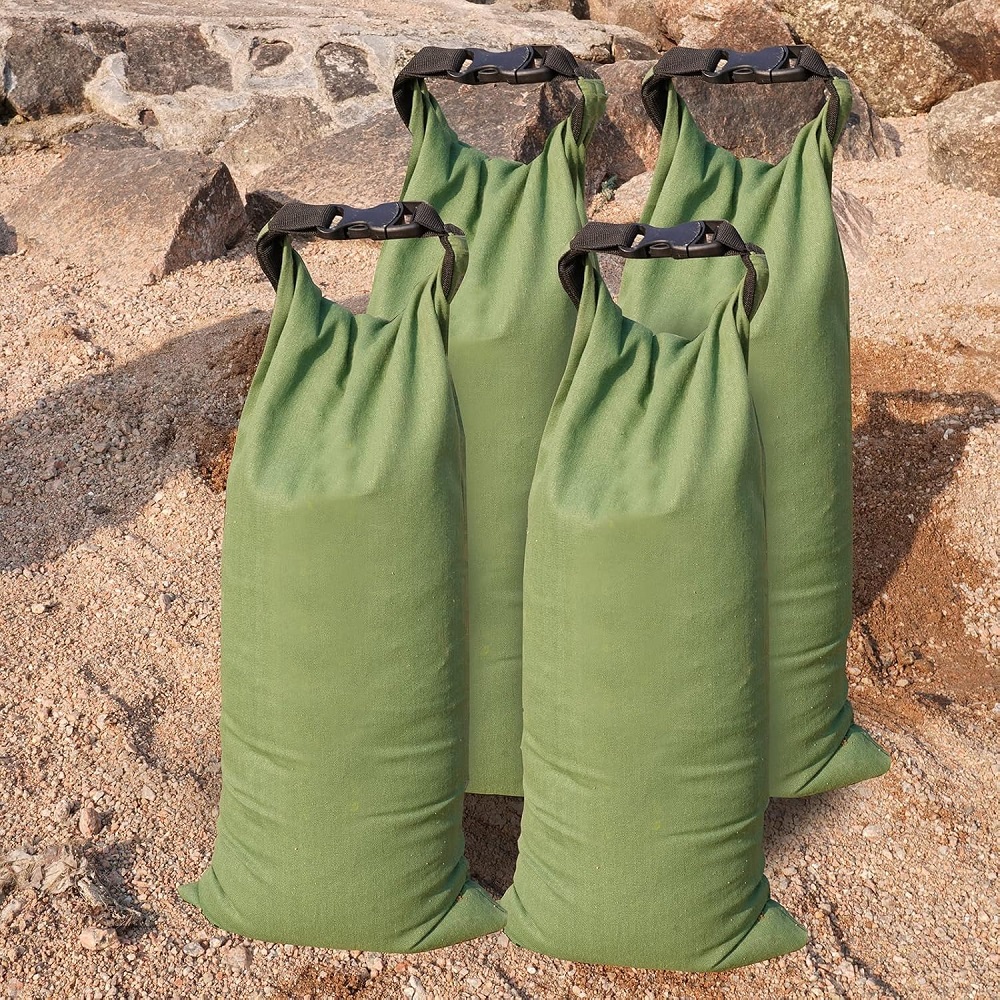
As environmental consciousness grows, the rise of biodegradable sand bags presents an exciting alternative for eco-friendly practices. These bags, made from organic materials, break down naturally in the environment, preventing long-term pollution. Incorporating biodegradable options into gardening and landscaping practices can facilitate eco-conscious decisions among consumers and reduce waste accumulation.
Encouraging Multi-Purpose Use
Promoting multi-purpose uses for sand bags fosters a culture of sustainability, where communities can embrace creative approaches to resource management. By highlighting the numerous applications of sand bags—from flood barriers to art supplies—individuals are encouraged to think innovatively and reduce waste. This mindset contributes to overall resource efficiency, ultimately benefiting both the environment and local economies.
FAQ:
- How can sand bags be used in landscaping?
-
- Sand bags can be used to create borders, define garden areas, and retain soil or mulch in place. They can also be utilized for managing water flow and drainage in gardens or yards.
- Can sand bags be used for safety and security purposes?
-
- Yes, sand bags can act as barriers for vehicle control or crowd management at events. They are often used to stabilize temporary structures, such as tents or stages, ensuring safety against strong winds.
- Are there eco-friendly alternatives to traditional sand bags?
-
- Yes, eco-friendly alternatives include biodegradable bags filled with materials like rice hulls, pea gravel, or natural fibers. These options can provide similar benefits while being more environmentally sustainable.
- How do you properly fill and seal sand bags for effective use?
-
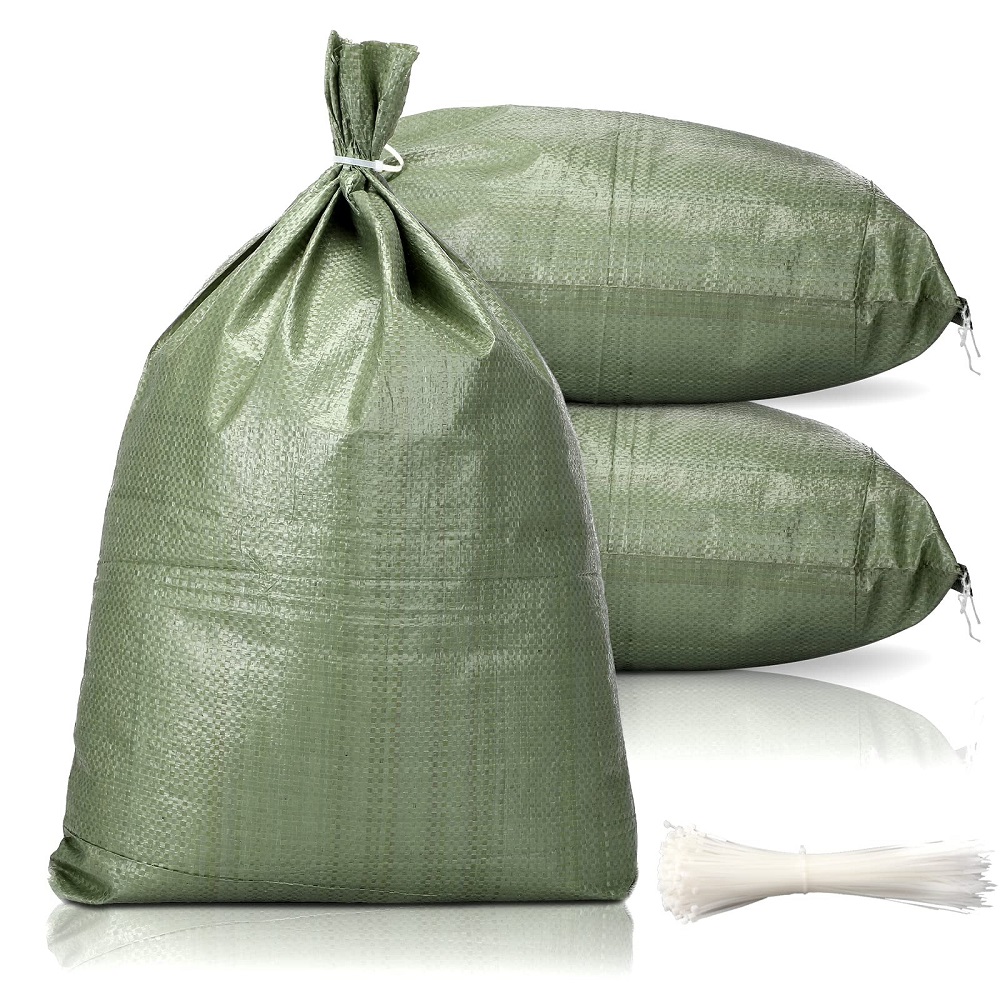
- To fill a sand bag, use a shovel or scoop to fill it about halfway, then gently shake to settle the sand and remove air pockets. Fold the top down to minimize spilling, and securely seal it using ties or clips.
- What is the best way to store sand bags when not in use?
-
- Store sand bags in a cool, dry location away from direct sunlight to prevent degradation. Stack them in a manner that avoids crushing, making sure they remain accessible for future use. If bags are filled, ensure moisture control to prevent mold.
Conclusion
The Versatility of Sand Bags
Throughout this exploration, it has become evident that sand bags are far more than mere tools for flood protection. Their versatility allows for innovative applications across various domains, including construction, landscaping, art, and education. By embracing the multitude of ways in which sand bags can serve us, we open doors to creative solutions that positively impact our communities and environments.
A Tool for Resilience
Utilizing sand bags in novel and practical manners reinforces their potential as invaluable tools for enhancing community resilience. Whether through building sturdy structures, promoting artistic expression, or empowering individuals during emergencies, sand bags can significantly contribute to collective efforts aimed at building stronger, more interconnected communities. Their simplicity and adaptability affirm their worth in the face of diverse challenges.
Inspiring Future Uses
As awareness of the alternative applications for sandbags continues to grow, so does the potential for innovative and impactful uses, including eco-friendly sandbag options for flood protection. Encouraging creativity and sustainability in our communities can unlock new opportunities for development and engagement. Ultimately, by thinking outside the box and exploring the diverse possibilities of this humble tool, we can harness its power to address a spectrum of societal needs, benefiting both individuals and the overarching community as a whole.


