Introduction
The Importance of Power Meters in Cycling
Power meters have revolutionized the way cyclists train and measure their performance. Unlike traditional methods such as heart rate monitors or speedometers, power meters provide direct measurements of a cyclist’s output in watts. This data allows for better training insights and helps riders optimize their performance. Whether competing in races or training for personal goals, understanding power output is crucial for improvement.
The Science Behind Power Measurement
Cycling power meters measure the amount of power a cyclist generates while pedaling. This measurement takes into account various factors, including cadence, torque, and speed. By translating this information into watts, cyclists can better understand their effort levels. Training with power helps riders tailor their workouts to reach specific thresholds and goals. Additionally, it provides a clear metric for tracking progress over time.
Purpose of the Article
This article aims to explore the top power meter cycling models available for cyclists. We’ll discuss their features and how they cater to different types of riders, from casual to elite levels. Additionally, we will provide insights on how to choose the right power meter based on your cycling style, budget, and training goals. By the end of this guide, you will be equipped with valuable knowledge on power meters, enabling you to make an informed choice for your cycling needs.
Types of Power Meters
Hub-Based Power Meters
Hub-based power meters are installed in the rear or front wheel hub. They measure the power output based on the torque applied to the hub during pedaling. This setup is popular among serious cyclists who want accurate and consistent data. Hub-based models provide reliable measurements regardless of other equipment, such as pedal type. They are ideal for those looking for a more integrated solution with little maintenance.
One of the key advantages of hub-based power meters is their durability. Since the measuring device is built into the wheel hub, it is less exposed to potential damage. However, some cyclists may find the weight of the hub slightly higher. Despite this, many professional riders trust hub-based systems for their training and racing needs.
Pedal-Based Power Meters
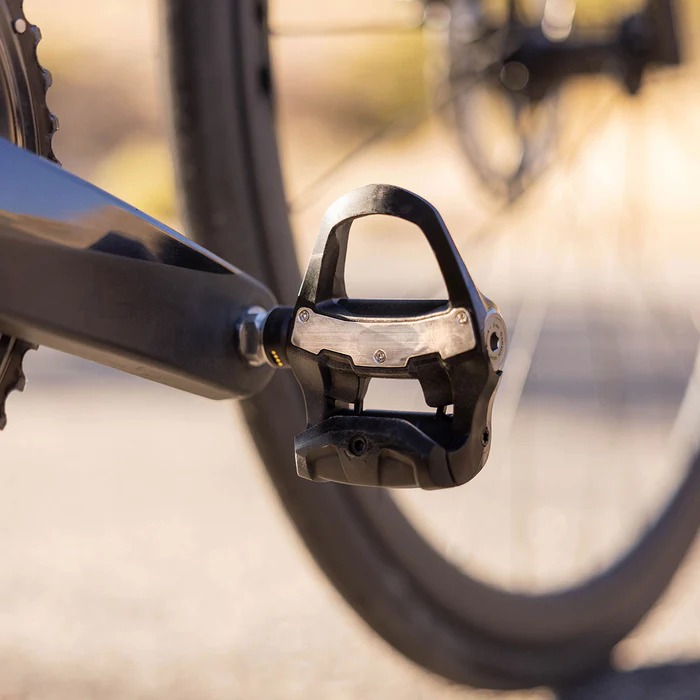
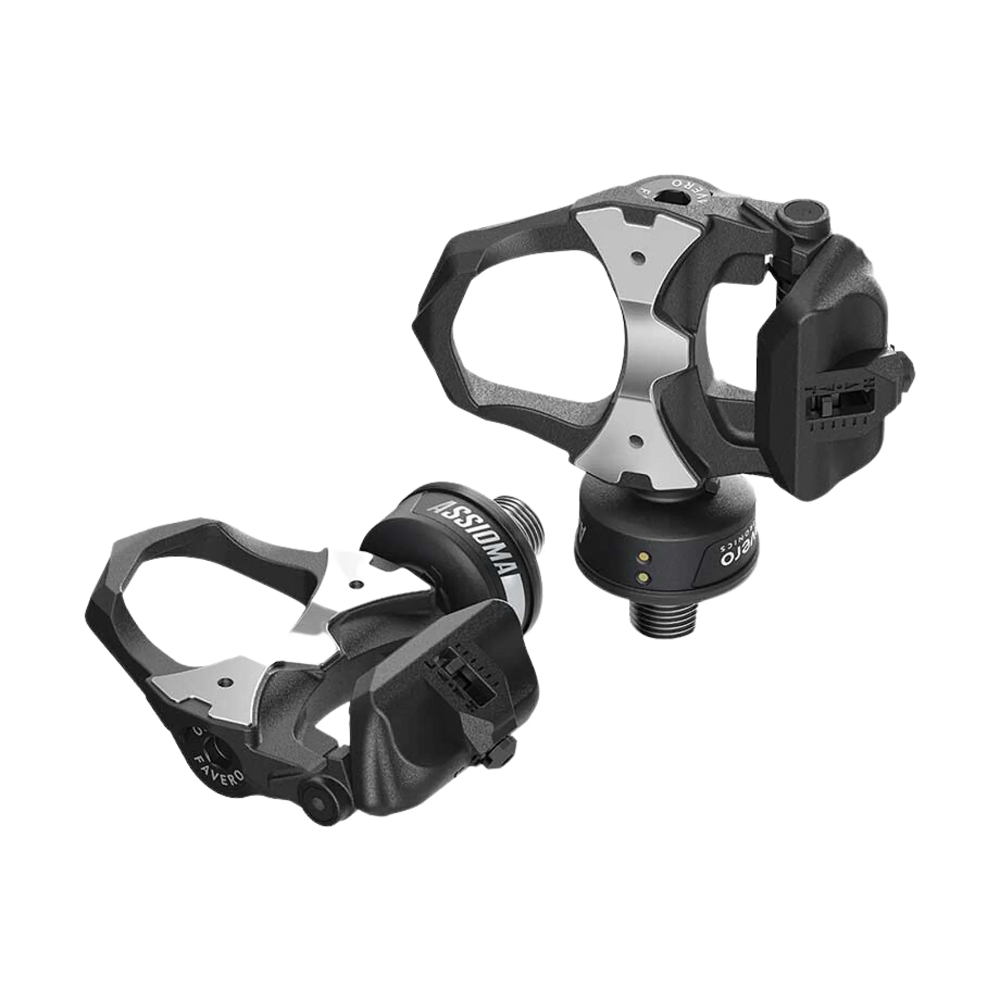
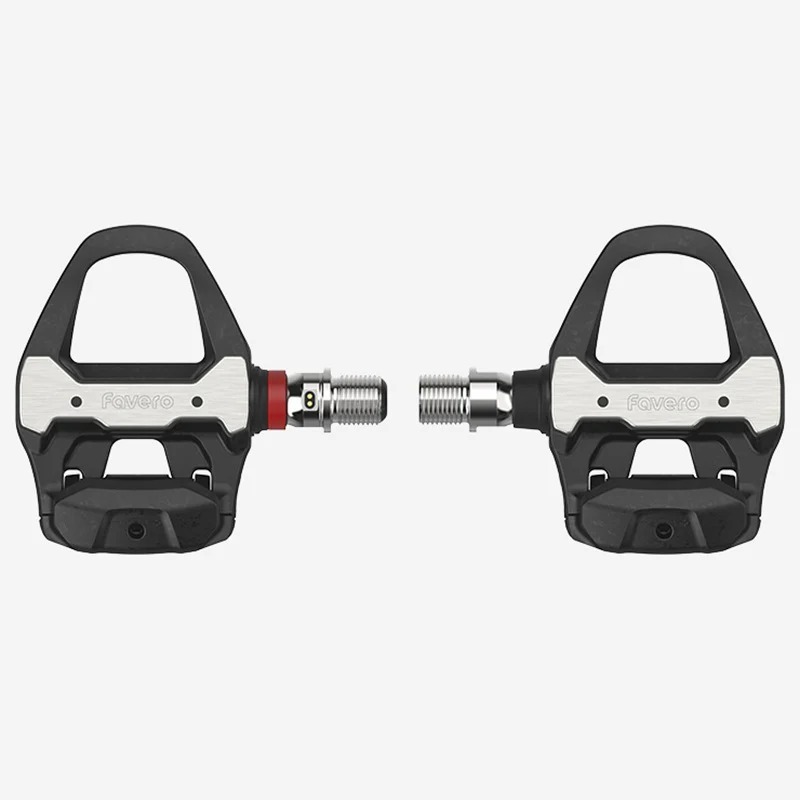
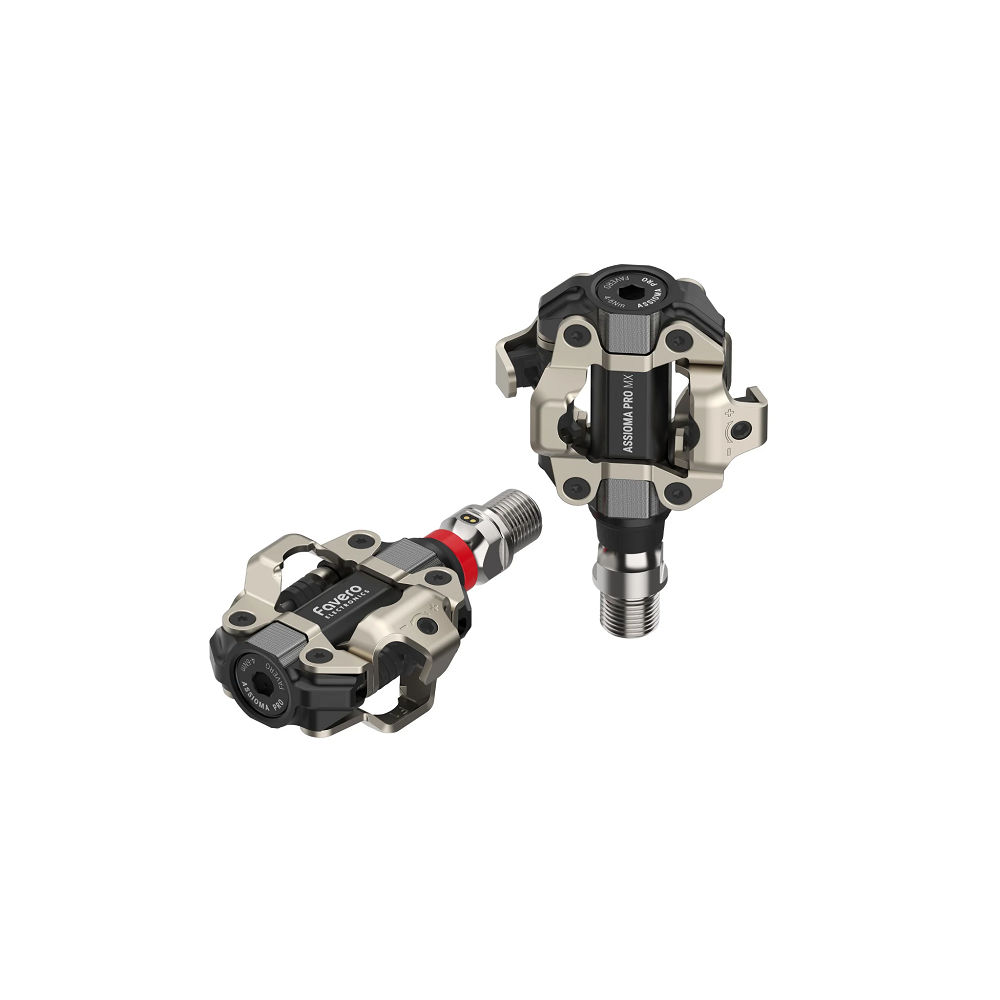
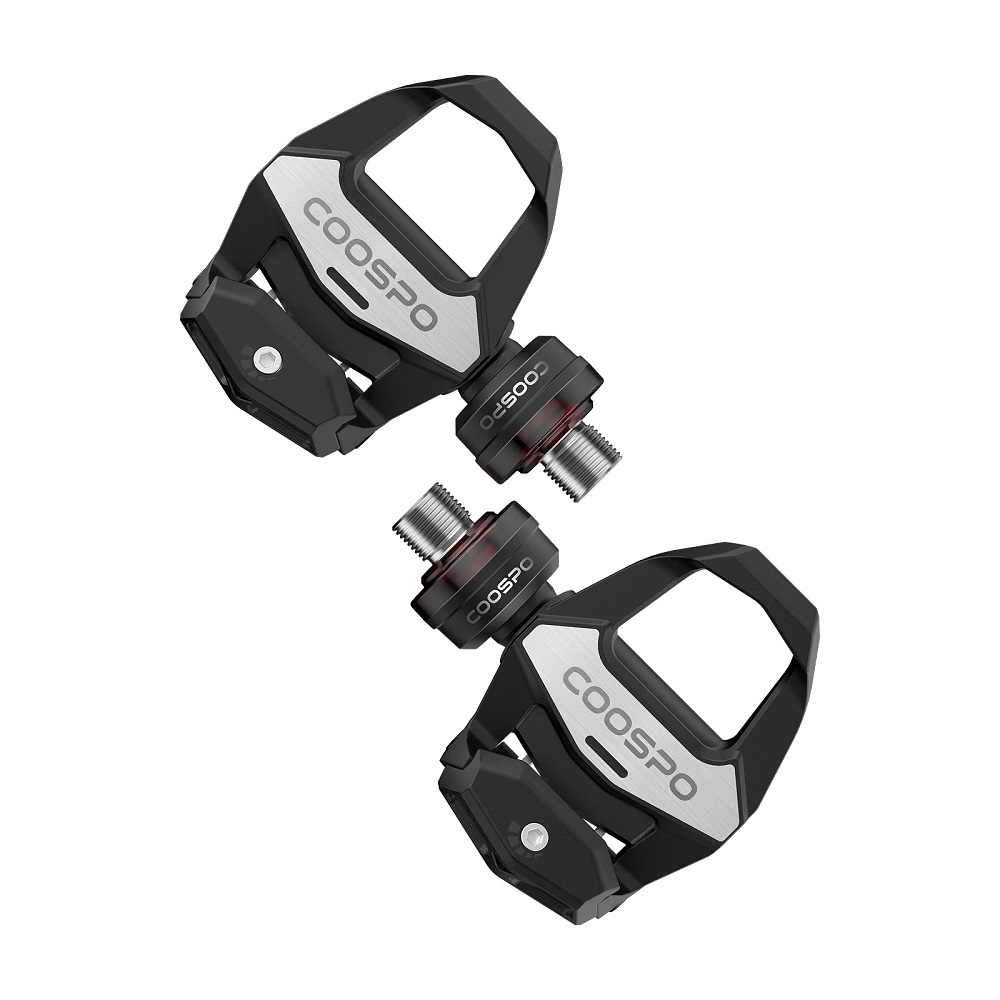
Pedal-based power meters are another popular option for measuring cycling power. These meters are integrated into the pedals, measuring force and cadence to calculate power output. The advantage of pedal-based systems is that they offer precise power metrics for each leg separately. This information can help identify weaknesses or imbalances in a rider’s pedaling technique.
Pedal-based power meters are compatible with a wide variety of bike types. They provide flexibility for cyclists who need to switch bikes frequently. Some notable brands, such as Garmin and Favero, offer quality options in this category. However, users must ensure they regularly check the pedals for wear and tear, as they may need replacing over time.
Crank-Based Power Meters
Crank-based power meters are installed on the crank arm of the bicycle. Similar to pedal-based meters, they measure the power applied to the pedals and derive wattage from the collected data. This type of power meter is known for its accuracy and reliability. Crank-based systems are particularly beneficial for cyclists who value precise data for performance analysis.
These meters often require professional installation to ensure proper calibration and alignment. Once set up correctly, crank-based power meters provide accurate readings and are seen as a trusted choice among competitive cyclists. Some models are also compatible with different crank arms, making them versatile.
Top Models of Power Meters
1. Garmin Vector 3
The Garmin Vector 3 is a leading pedal-based power meter known for its precision and ease of use. The dual-sensing system measures power output from both legs, providing valuable insights into performance. This feature helps cyclists identify any imbalances in their pedaling technique, which can be critical for improving efficiency.
Additionally, the Vector 3 is compatible with various bike types, making it a versatile choice for different riders. The installation process is relatively straightforward, and the pedals can be easily transferred from one bike to another. Users can access data through the Garmin Connect app, allowing for detailed analysis and performance tracking.
2. Powertap G3 Hub
The Powertap G3 Hub is a hub-based power meter known for its durable design and accuracy. This model offers reliable performance and is compatible with various cycling setups. The G3 provides consistent readings, allowing cyclists to focus on their training without worrying about fluctuating data.
One of the standout features of the Powertap G3 is its integrated Bluetooth and ANT+ technology. This enables seamless connectivity with other devices, such as cycling computers or smartphones. Additionally, the Powertap G3 is built to endure rough conditions, making it an excellent option for competitive athletes.

3. Stages Power L
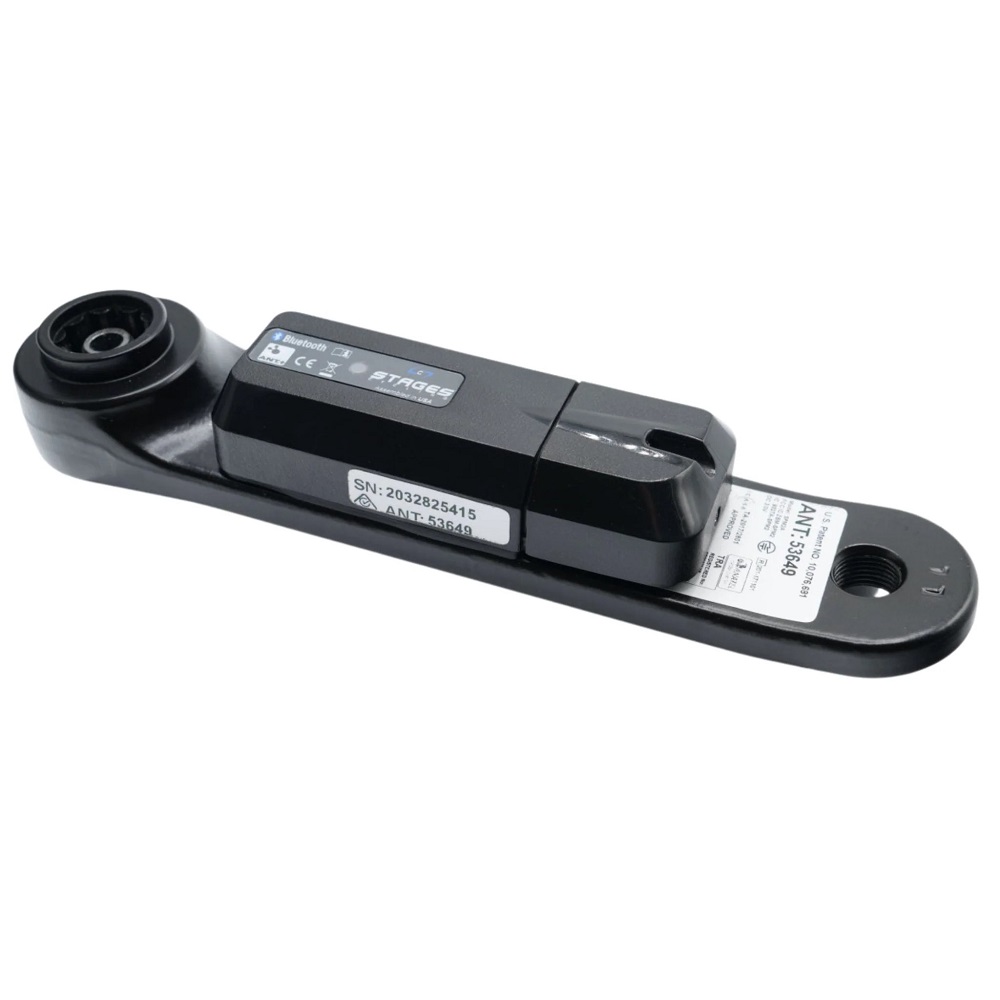
The Stages Power L is a crank-based power meter that offers a high level of accuracy and user-friendliness. This power meter is designed specifically for left-side measurement, making it a cost-effective option for many cyclists. With excellent reliability and precise data, the Stages Power L helps cyclists track their performance effectively.
The installation process is simple, allowing cyclists to set it up without needing professional help. The power meter is compatible with various crank systems and brands. Additionally, the Stages Power app provides easy data analysis, making it a popular choice for data-driven cyclists.
Features to Consider
Accuracy
Accuracy is perhaps the most crucial aspect of a power meter. The goal is to have a device that provides reliable measurements regardless of external factors. Look for branding and reviews that highlight the power meter’s accuracy in real-world conditions. Some power meters may have slight variances, and understanding these details can help you choose wisely.
Ease of Installation
Installation should be a straightforward process for any cyclist. Many power meters on the market are designed for easy setup, allowing users to have them ready for workouts in no time. Some models require professional installation, which can increase expenses. Evaluate whether you are comfortable installing the device yourself or if you prefer a power meter that can be set up easily.
Data Compatibility
Consider how the power meter integrates with your existing cycling devices. Most power meters communicate via Bluetooth or ANT+, allowing you to connect them to cycling computers and smartphones. Compatibility with popular cycling apps will enable you to track performance and analyze data effectively. Choose a power meter that works well with your preferred technology to optimize your cycling experience.
Understanding Power Zones
The Concept of Power Zones
Understanding power zones is essential for cycling training. Power zones are ranges of power output that correspond to different training intensities. These zones can help cyclists tailor their workouts to specific fitness goals, whether it be endurance, strength, or speed.
Most cyclists categorize their power output into five or seven zones. Zone 1 is the easiest, often used for recovery, while Zone 5 or 7 represents high-intensity efforts. Training within these zones can enhance performance and improve overall fitness. By using a power meter, cyclists can monitor their power output and adjust their training accordingly.
Identifying Your Power Zones
To identify your specific power zones, conducting a functional threshold power (FTP) test is beneficial. This test determines the highest average power you can sustain for an hour. Many cyclists use a 20-minute test and then calculate their FTP based on the results. Once you have your FTP, you can calculate your power zones and adjust your training to target specific areas.
Using Power Zones in Training
Once you’ve identified your power zones, you can incorporate them into your training regimen. Each zone serves a particular purpose and can help you build specific strengths. For example, training in Zone 2 enhances aerobic capacity, while Zone 4 focuses on improving lactic threshold. By incorporating a mix of workouts at varying intensities, you can build a comprehensive training program tailored to your cycling goals.
Techniques for Effective Data Analysis
Tracking Your Progress
Using a power meter allows for precise tracking of your performance over time. Regularly reviewing your data will provide insights into your training sessions. Look for patterns in your power output, along with changes in average speed and fitness levels. This information can help you adjust your training plan to better support your goals.
Logging Workouts
Create a workout log for your cycling sessions, documenting key metrics such as power output, duration, and perceived effort. Keeping track of your results will help identify specific areas for improvement. Categorize your workouts by type, such as interval training, endurance rides, or races, to make analysis easier.
Analyzing Data Trends
Look for overall trends in your data. Gradual changes in power output, particularly during similar types of workouts, can indicate improvements in fitness levels. If you notice stagnation or declines, evaluate your training pattern and consider making adjustments to introduce variety. Regularly analyzing your data will keep you informed and engaged in your fitness journey.
The Future of Power Meter Technology
Innovations on the Horizon
As technology continues to develop, the future of power meters looks promising. Advances in sensor technology may lead to even greater accuracy and fewer calibration issues. Manufacturers are also exploring better compatibility with various devices and platforms, allowing for seamless integration.
Additionally, the integration of machine learning and AI could revolutionize data analysis. These technologies may offer personalized training suggestions based on individual performance metrics, leading to more customized cycling experiences. Cyclists can expect more intuitive features in the coming years, enhancing the overall value of power meters.
Sustainable Practices
Sustainability is becoming increasingly important in sports equipment manufacturing. Many brands are already implementing eco-friendly materials and practices. Future innovations may lead to the development of power meters that are not only high-performing but also sustainable. In an ever-evolving world, consumers are more inclined to choose brands that prioritize environmental responsibility.
The Rise of Community and Connectivity
As cycling communities continue to grow, power meters that offer social connectivity features may become more popular. Future technology could enable riders to connect their power meters with fellow cyclists during rides or competitions. This capability enhances motivation and engagement, tapping into the power of community in the cycling experience.
FAQ:
- What are the benefits of using a power meter for cycling?
-
- Using a power meter allows cyclists to train more effectively by providing accurate data on their effort levels. This helps in setting training zones, monitoring improvements over time, pacing during races, and avoiding overtraining, leading to better performance and more targeted workouts.
- What are the different types of power meters available?
-
- There are several types of power meters, including pedal-based (like the Garmin Vector), crank-based (like the SRAM Quarq), and hub-based (like the PowerTap hub). Each type has its own advantages in terms of installation, accuracy, and compatibility with various bike setups.
- How do I choose the right power meter for my cycling needs?
-
- When selecting a power meter, consider factors like compatibility with your bike, accuracy, ease of installation, data transmission (ANT+ or Bluetooth), and your budget. Additionally, look for features such as dual-sided measurement for more comprehensive data and the ability to sync with training software.
- How do I calibrate my power meter?
-
- Calibration procedures can vary by model but generally involve setting your bike and power meter on a flat surface and following specific instructions from the manufacturer. This may include warming up the power meter, ensuring it’s in the correct position, and making adjustments based on initial readings.
- How can I use power data effectively to improve my cycling performance?
-
- To use power data effectively, establish training zones based on your Functional Threshold Power (FTP) and structure your workouts accordingly. Incorporate intervals, long rides at specific wattages, and recovery days based on your power output. Analyze your data regularly to track progress and adjust your training plan as needed.
Conclusion
Choosing the Right Power Meter for Your Cycling Journey
Choosing the right power meter cycling is essential for any cyclist looking to enhance their training and performance. Assess your fitness goals, budget, and preferred type of power meter. Understanding the features and benefits of different models will help you make an informed choice.
Embracing the Value of Data-Driven Training
Utilizing a power meter opens up new possibilities for data-driven training. With accurate metrics and insights, you can tailor your workouts to maximize benefits based on your unique objectives. Tracking progress over time will keep you motivated and focused on your path to improvement.
Ready to Transform Your Cycling Experience?
With the knowledge about power meters, including the best power meters for cycling accuracy and reliability, and their benefits, you are prepared to enhance your cycling journey. Explore the various options available and invest in the technology that best suits your needs. Embrace the information that can transform your ride and help you achieve your cycling goals. Happy riding and enjoy the journey to becoming a stronger, more effective cyclist!