Introduction
The Importance of Food Storage
In today’s fast-paced world, food storage has become a vital aspect of maintaining a healthy lifestyle. As food prices rise and concerns about food security grow, many people are looking for effective solutions to prolong the shelf life of their food. One of the best methods for long-term food storage is using Mylar bags. These bags offer a combination of durability, moisture barrier, and light protection that makes them ideal for storing a variety of food items.
Understanding Mylar Bags
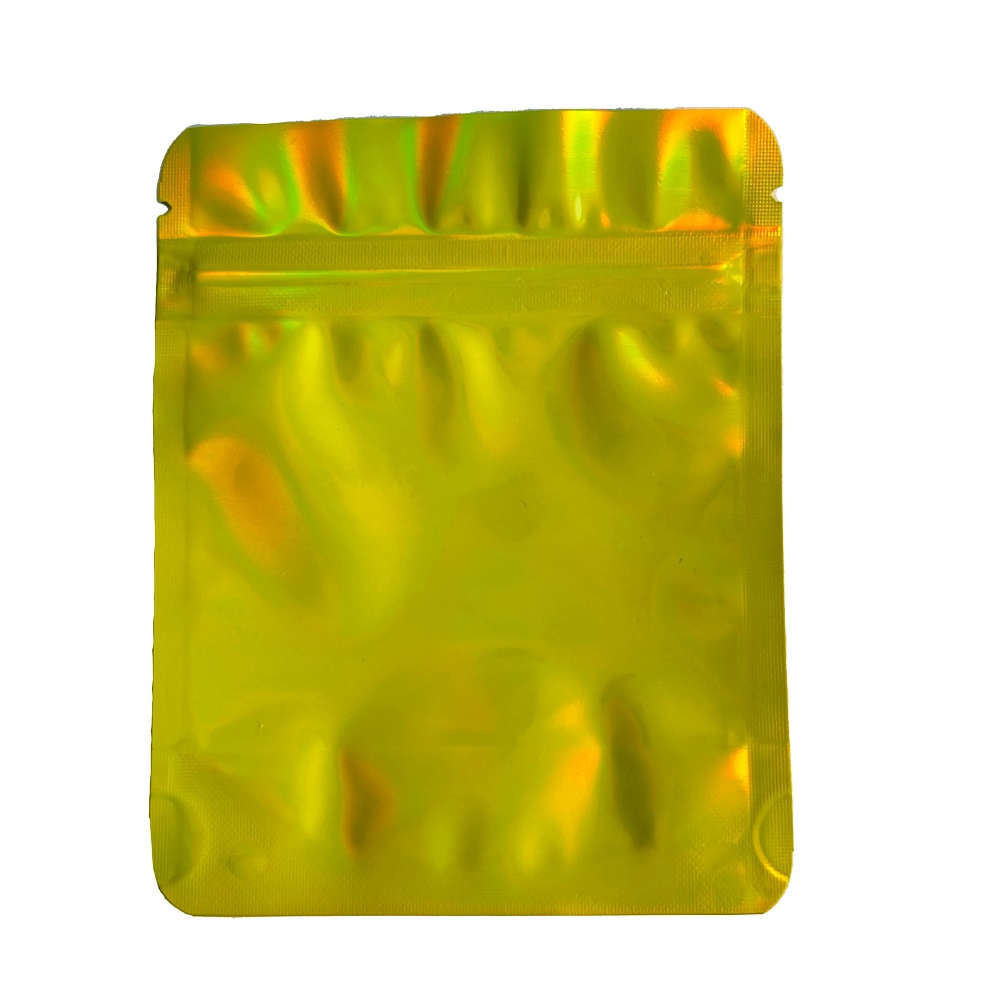
Mylar is a brand name for a type of polyester film known as biaxially oriented polyethylene terephthalate (BoPET). This material is known for its strength and ability to block moisture, oxygen, and light. These characteristics contribute to the preservation of food, making Mylar bags a popular choice for both home and commercial food storage. Whether you are preparing for emergencies or simply want to save leftover food, understanding how to use Mylar bags effectively is essential.

Purpose of the Article
This article provides essential tips for using Mylar bags for long-term storage and preparation. It will cover topics such as selecting the right Mylar bags, proper filling techniques, sealing methods, and storage conditions. By following these guidelines, you can ensure that your food stays fresh and safe for an extended period.
Choosing the Right Mylar Bags
Thickness Matters
When selecting Mylar bags, thickness is a crucial factor. Mylar bags come in various thicknesses measured in mils, typically ranging from 3.5 to 7 mils. Thicker bags generally provide better protection against punctures and tears. A thickness of 5 mils or more is recommended for long-term storage. These bags are more durable and can withstand the rigors of storage without compromising the contents.
Sizes and Dimensions
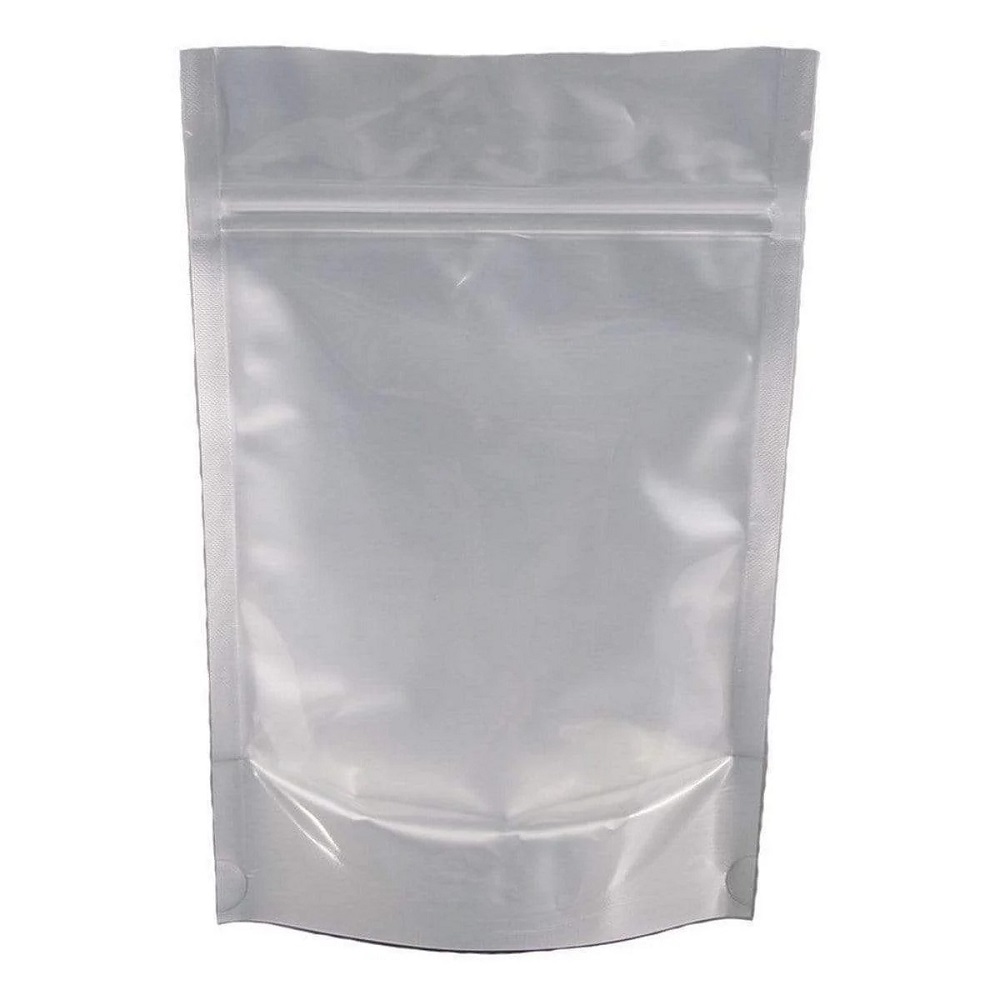
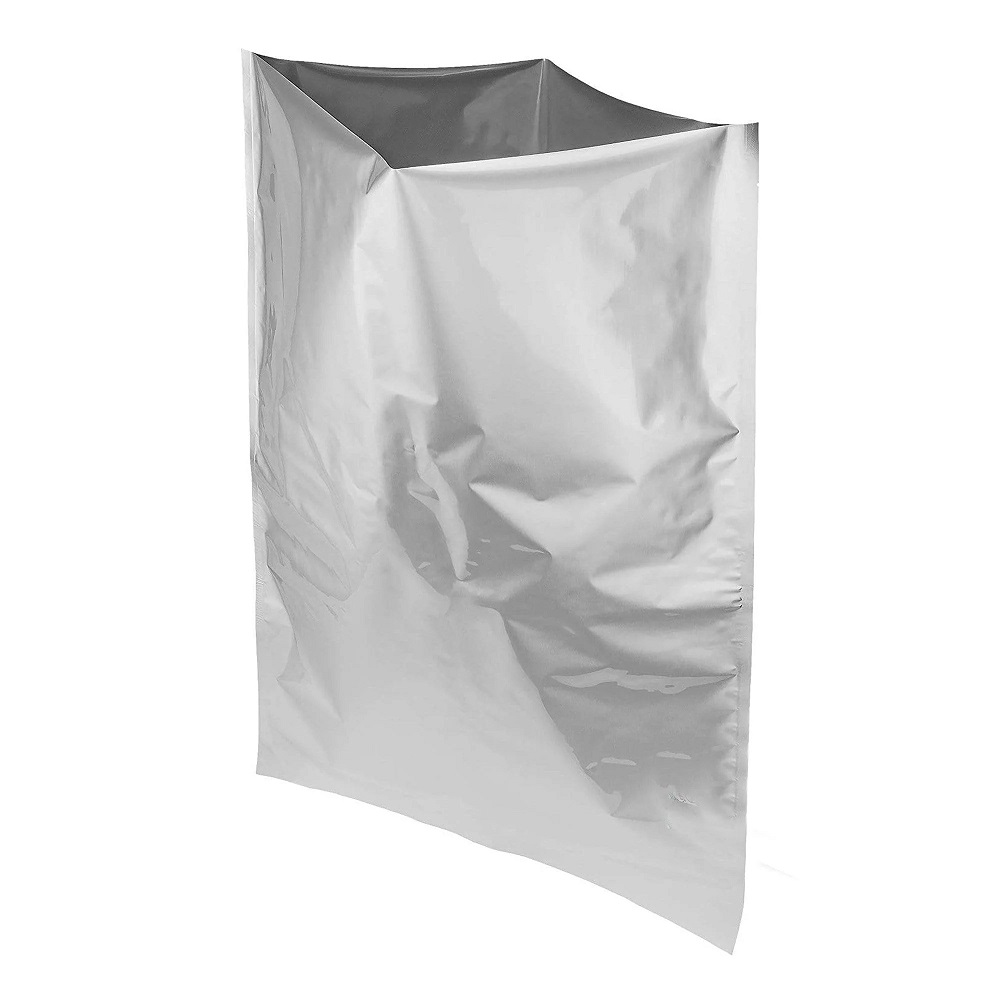
Mylar bags are available in various sizes, making it easier to find the perfect fit for your storage needs. Smaller bags (1-2 gallons) work well for items like spices, dried herbs, or grains, while larger bags (up to 5 gallons) are suitable for bulk items such as beans or rice. Choose a size that aligns with the quantities you plan to store; overfilling a smaller bag can lead to compromised seals.
Choosing Food-Grade Bags
Always opt for food-grade Mylar bags for storing edible items. Food-grade bags are specifically designed to safely store food without leaching harmful chemicals. While some non-food-grade bags may be cheaper, they can pose health risks. Investing in high-quality, food-grade Mylar bags is essential for ensuring the safety of your stored goods.
Preparing the Food for Storage
Basic Cleaning and Inspection
Before sealing food in Mylar bags, ensure that all items are clean and dry. For dry foods, remove any visible dirt or debris. Inspect items for signs of spoilage or moisture. Even minute amounts of moisture can lead to mold growth and spoilage over time. It’s crucial to start with dry and clean items to promote optimal storage conditions.
Portioning Your Food
To maximize the effectiveness of Mylar bags, consider portioning your food. Instead of sealing an entire bulk bag at once, break it into smaller portions. This practice not only makes it easier to use the food later but also helps minimize exposure to oxygen when you open a bag. By only opening a portion at a time, you maintain the freshness of the remaining contents.
Prepping for Dehydrated Foods
If you are storing dehydrated foods, such as fruits or vegetables, ensure they are properly dried before sealing. Any residual moisture can lead to spoilage. You can use a dehydrator, an oven, or naturally air-dry fruits and vegetables. Make sure they are crisp and contain no water content for ideal preservation.
Filling Mylar Bags
Use a Funnel for Convenience
When filling Mylar bags, using a funnel can save time and minimize mess. A funnel directs the contents into the bag without spilling. You can find various sizes and styles of funnels, and choosing one that fits the bag’s opening will make the filling process much smoother. If you don’t have a funnel, you can create a makeshift one using a plastic bottle.
Avoid Overfilling
When filling Mylar bags, avoid overfilling them. Leave some space at the top to allow for proper sealing. Overfilled bags can make it difficult to create a tight seal and may lead to compromised storage conditions. A good rule of thumb is to leave about 1-2 inches of space before sealing.
Sorting Contents
Consider organizing the contents within each Mylar bag. For example, you can group similar items together, such as grains, legumes, or dehydrated fruits. Sorting items helps you easily identify the contents later without needing to open the bag. Labeling the bags with the contents and date of storage is also a good practice, providing further organization.

Sealing Mylar Bags
Heat Sealing Method
One of the most effective ways to seal Mylar bags is by using a heat seal. A conventional iron or a dedicated heat sealing machine can create a solid seal. For best results, set the temperature to medium and run the iron along the open edge of the bag. Make sure to apply even pressure to create a tight seal. Be cautious not to damage the bag material; a consistent surface is essential.
Using a Vacuum Sealer
A vacuum sealer is another efficient option for sealing Mylar bags. These machines remove air from the bags before sealing them. The process helps minimize oxygen exposure, which can contribute to spoilage. Many vacuum sealers come with attachments specifically designed for Mylar bags, ensuring a secure seal.
Checking the Seal
After sealing the Mylar bags, it’s crucial to check that the seal is intact. Inspect the bag for any gaps or weaknesses in the seal. A proper seal should remain flat and not show any signs of air pockets or openings. If you find any inconsistencies, reseal the bag carefully using your chosen sealing method.
Storing Mylar Bags
Ideal Storage Conditions
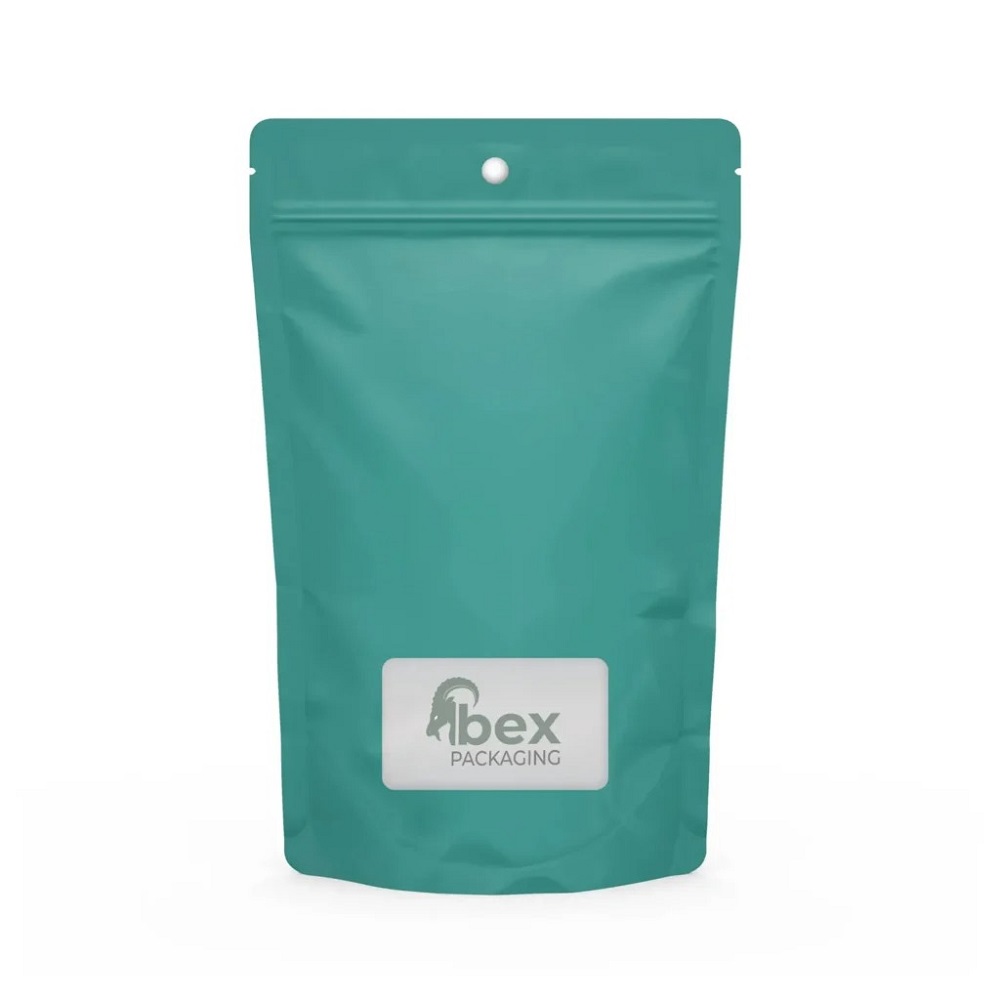
The conditions in which you store your Mylar bags greatly influence the longevity of their contents. Choose a cool, dark area to store your bags, as heat and light can degrade the quality of the food. A pantry or designated food storage area is often ideal. Avoid placing bags in damp or humid environments, as moisture can lead to spoilage.
Avoiding Temperature Fluctuations
Mylar bags perform best in stable temperature conditions. Avoid storing them in areas with frequent temperature fluctuations, such as attics or garages. Extreme heat or cold can affect the integrity of the materials and lead to compromised food quality. Keeping the storage area temperature consistent will help maintain food freshness.
Organizing Your Storage Area
Proper organization of your storage area can enhance your ability to access items easily. Consider using shelving or bins to arrange Mylar bags systematically. You can categorize bags by type of food, expiration dates, or usage frequency. An organized space ensures that you know what you have on hand, making meal planning and food preparation simpler.
Long-Term Use Tips
Rotating Your Supplies
Periodic rotation of your food supplies is essential for ensuring that nothing expires. A good practice is to use the first-in, first-out method. Whenever you add new items to storage, place them behind older items. This way, you can ensure that you are utilizing food before it reaches its expiration date.
Checking for Damage
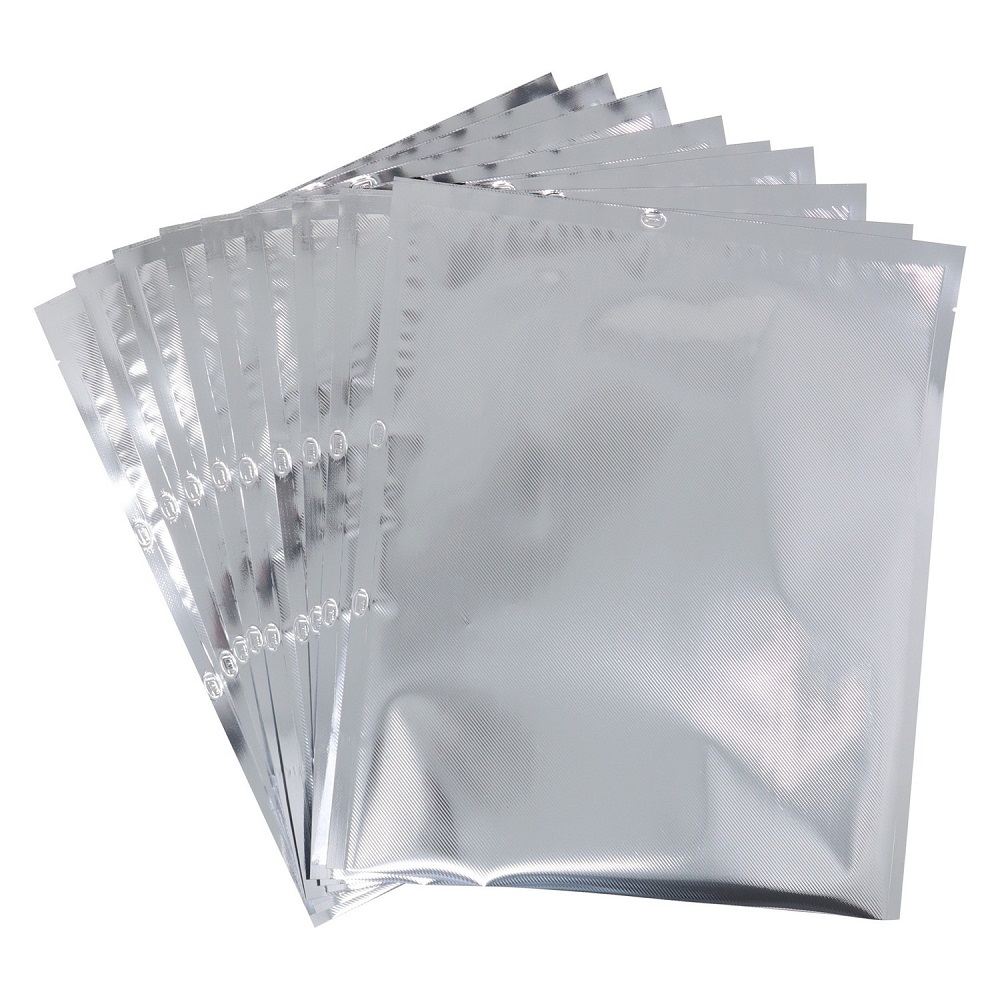
Regularly inspect your Mylar bags for any signs of damage or compromised seals. Even bags that were initially sealed well may experience wear over time. Look for holes, tears, or signs of moisture intrusion. If you notice any issues, take immediate action to repackage the contents to avoid spoilage.
Understanding Shelf Life
Different foods have varying shelf lives, even when stored in Mylar bags. Grains and legumes can last up to 20-30 years, while dried fruits and vegetables may last up to 5-10 years. Be aware of the specific shelf life of the items you are storing. Keeping accurate records of storage dates and expected expiration dates will help you plan future meals and use items effectively.
Common Mistakes to Avoid
Neglecting to Label Bags
One common mistake is failing to label Mylar bags adequately. Always write the contents and the date of storage on each bag. Without clear labeling, you may forget what is inside, leading to waste. Proper labeling ensures that you can quickly identify items and consume them before they expire.
Skipping Oxygen Absorbers
Adding oxygen absorbers to your Mylar bags can significantly enhance food preservation. These small packets help remove oxygen, preventing spoilage and extending shelf life. Neglecting to use oxygen absorbers can lead to reduced freshness, especially in items prone to oxidation. Consider incorporating them into your storage routine for optimal results.
Assuming All Foods Last Forever
While Mylar bags extend shelf life, it’s essential to understand that not all foods last indefinitely. Some items, like freeze-dried foods, can last for decades, while others may have shorter shelf lives. Research the specific storage timelines for each food type and adjust your storage strategies accordingly.
FAQ:
- How do I properly seal Mylar bags for long-term storage?
-
- For long-term storage, you can seal Mylar bags using a heat sealer or an iron set at low heat. Ensure that the top of the bag is clean and free from debris before sealing it to create an airtight closure.
- What should I consider when choosing Mylar bag sizes?
-
- Consider the amount of food or items you plan to store. Common sizes include 1-gallon and 5-gallon bags. It’s often useful to use smaller bags for convenience and easier handling when accessing your stored items.
- Can I use Mylar bags for non-food items?
-
- Yes, Mylar bags can be used to store non-food items such as clothing, documents, and electronics. Their moisture and light barrier properties help protect these items from degradation during long-term storage.
- How long can I store food in Mylar bags?
-
- When properly sealed and stored in a cool, dark, and dry place, foods stored in Mylar bags can last for 5 to 30 years, depending on the type of food and the storage conditions.
- Do I need to add oxygen absorbers to Mylar bags, and why?
-
- Yes, adding oxygen absorbers is highly recommended for food storage in Mylar bags. They help to remove oxygen from the sealed environment, which inhibits the growth of bacteria and mold and prolongs the shelf life of the stored food. The size and number of absorbers needed depend on the bag size and contents.
Conclusion
Protecting Your Investment
Mylar bags offer a reliable solution for long-term food storage. By following the essential tips provided in this article, you can effectively preserve the quality of your food items. Understanding how to choose the right bags, prepare food, and seal them properly will help you protect your investment.
The Benefits of Proper Food Storage
Effective food storage provides numerous benefits, including reduced waste, financial savings, and peace of mind. Knowing that you have a well-stocked supply of food can alleviate concerns about food shortages. By investing time and resources into using Mylar bags, you create a sustainable system for long-term food preparation.
Start Your Preservation Journey Today
As you embark on your journey of food preservation, remember the essential tips outlined here, including the benefits of Mylar bags for long-term storage. Investing in Mylar bags is a smart choice for maintaining your food’s freshness and quality. With careful preparation and storage techniques, you can create a reliable food supply that lasts for years. Start your Mylar bag journey today, and enjoy the many advantages of long-term food storage.