Introduction
The Importance of Safety in the Workplace
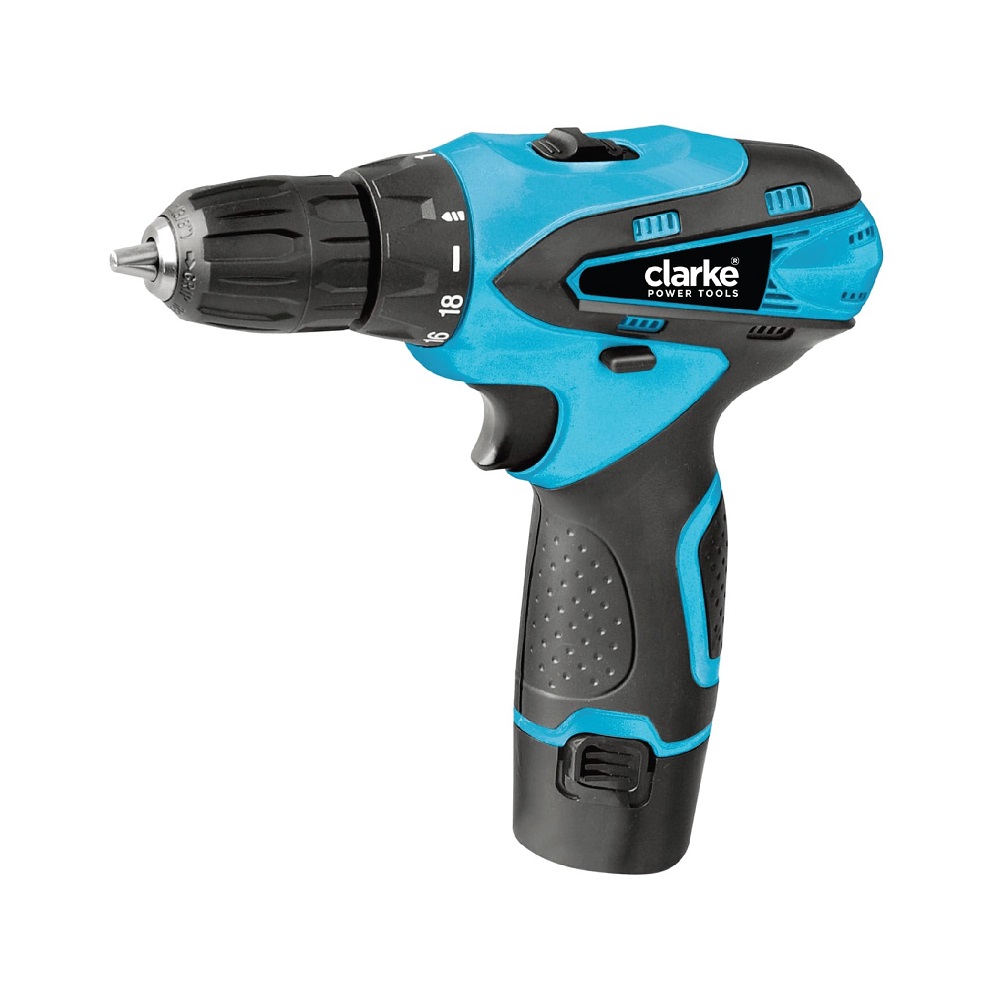
Safety in the workplace is a top priority for employers and employees alike. Accidents and injuries can occur in various settings, particularly in industries that involve manual labor. Industrial hand tools play a significant role in many jobs, making it essential to understand how to use them safely. Effective usage of these tools improves productivity and minimizes the risk of injury.
Overview of Industrial Hand Tools
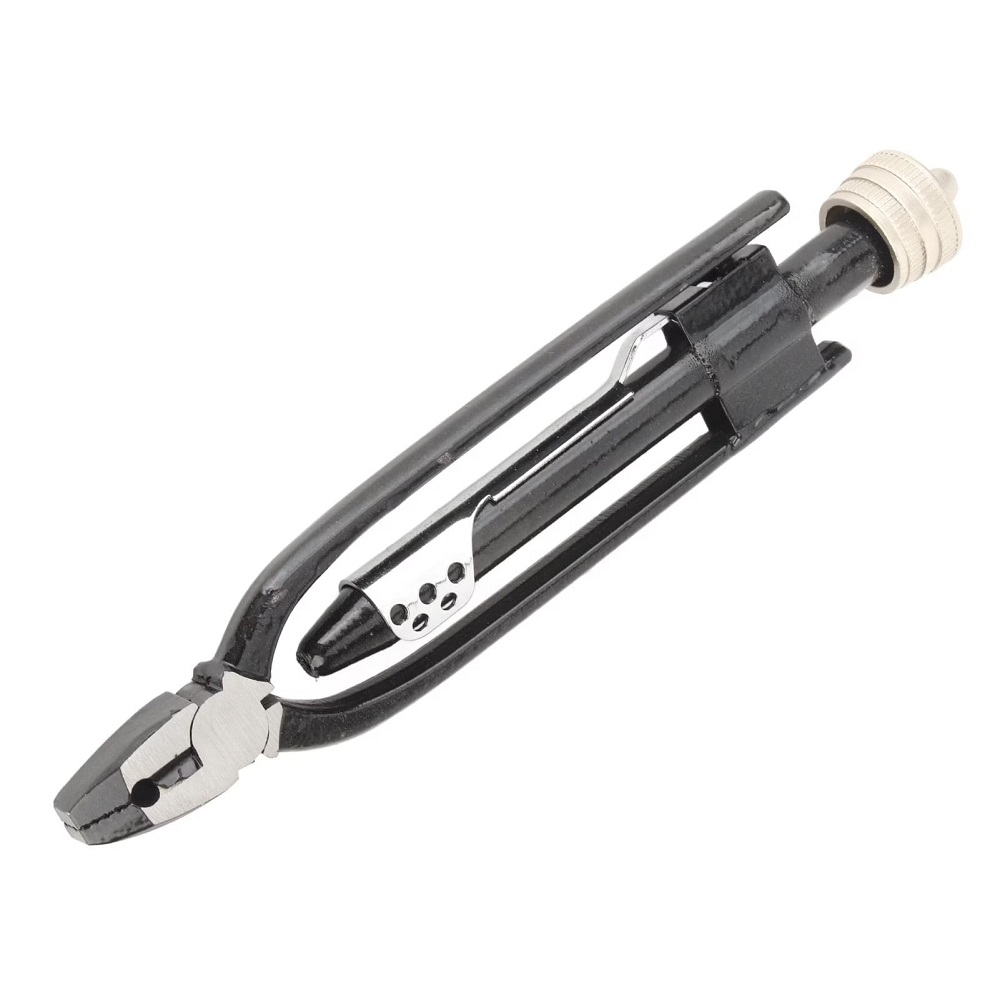
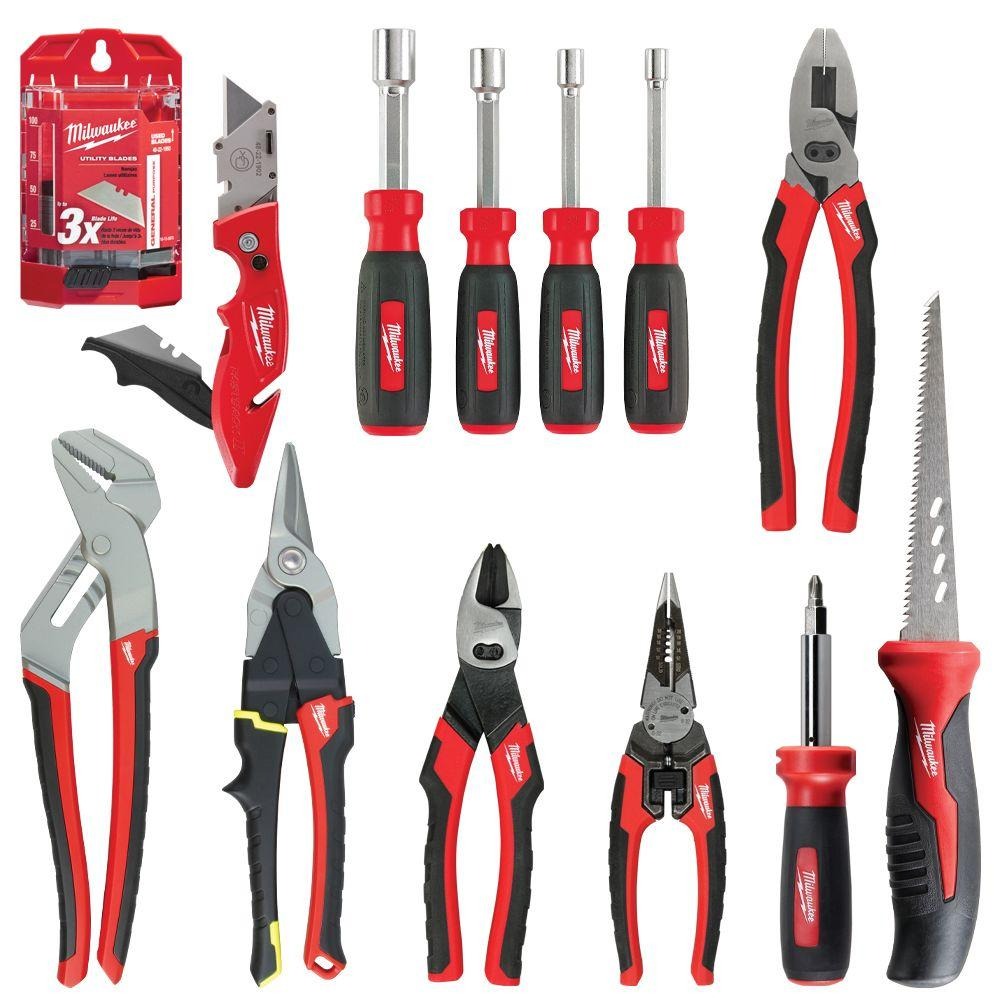
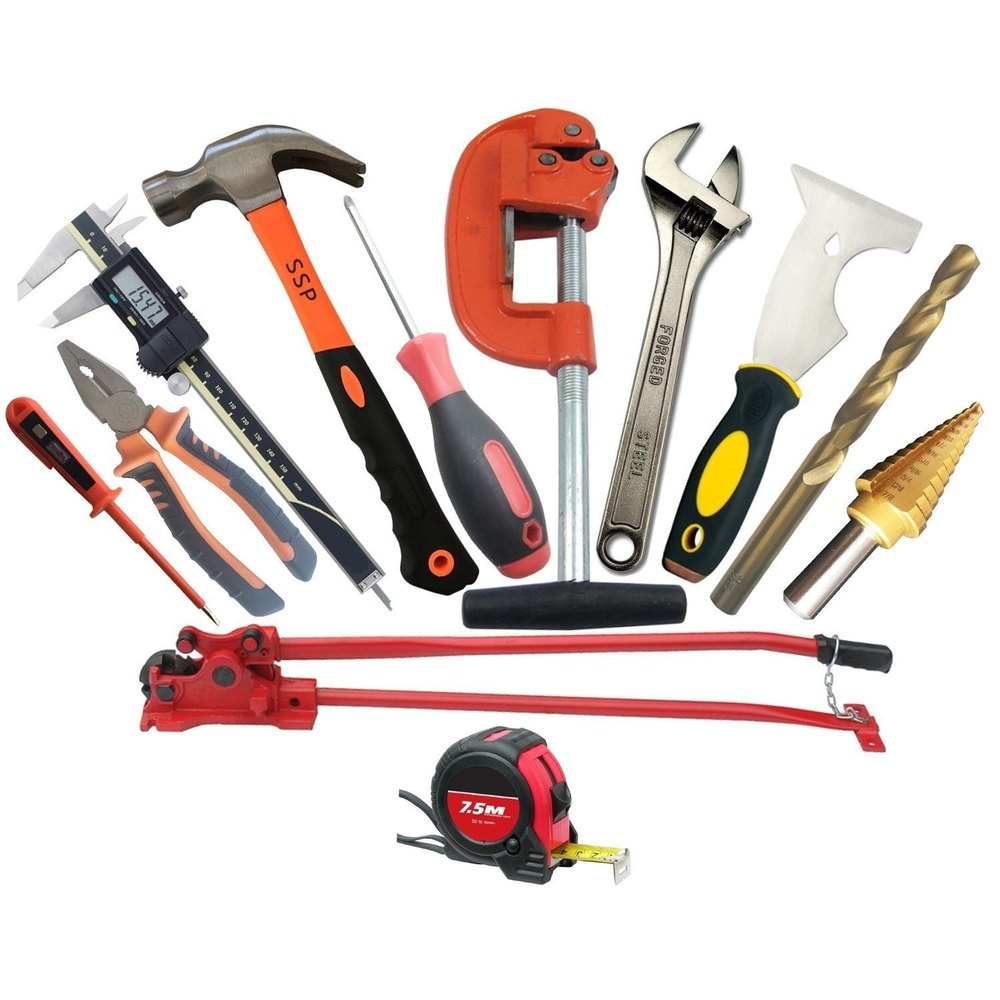
Industrial hand tools include a wide range of tools, such as wrenches, hammers, screwdrivers, pliers, and saws. These tools are designed for specific tasks, making them invaluable in various trades, including construction, manufacturing, and maintenance. Understanding the correct methods for using these tools is crucial for any worker involved in hands-on jobs.
Purpose of the Article
This article will provide safety tips for using industrial hand tools in the workplace. We will discuss essential practices, proper tool handling, and workplace organization. By following these guidelines, workers can reduce the risk of accidents and create a safer working environment.
Understanding Tool Types and Uses
Common Types of Industrial Hand Tools
Industrial hand tools come in various shapes and sizes, each designed for specific purposes. Some of the most common tools used in industrial settings include:
- Screwdrivers: Used for inserting and removing screws. They have flat or Phillips heads for different types of screws.
- Wrenches: Designed for gripping, fastening, and turning nuts and bolts.
- Pliers: Used for gripping, twisting, bending, or cutting wire and other materials.
- Chisels: Designed for carving or cutting hard materials like wood or stone.
- Hammers: Used to strike objects, typically nails or chisels.
Understanding each tool’s purpose aids in selecting the right one for a task. Proper tool selection is the first step toward maintaining safety in the workplace.
Tool Selection for Specific Tasks
Selecting the correct tool for a specific job is vital for ensuring safety and efficiency. For instance, using a proper wrench reduces the risk of stripping nuts and bolts. Similarly, using the right screwdriver prevents damage to screws or the tool itself.
Before starting any task, assess what tools are necessary. Familiarize yourself with the characteristics and uses of each tool. Choosing the appropriate tool based on the job’s requirements will improve performance and minimize hazards.
Safety Tips for Using Hand Tools
Wear Personal Protective Equipment (PPE)
Before using any hand tools, wearing the appropriate personal protective equipment (PPE) is essential. Safety goggles protect your eyes from flying debris while operating tools. Gloves provide grip and protect against sharp edges. Additionally, steel-toed boots can prevent injuries from dropped tools or materials.
Ensure that all PPE is comfortable and fits well, as ill-fitting equipment can lead to accidents. Having the right protective gear minimizes risks and helps maintain a safe working environment. Establish a routine of checking your PPE before starting work.

Inspect Tools Before Use
Before using any hand tool, it is crucial to conduct a thorough inspection. Check for signs of wear and tear, such as rust, cracks, or broken parts. Inspect the handles for secure grips and ensure that moving parts function correctly.
If any tool appears damaged, do not use it. Instead, report it to a supervisor and remove it from service. Regular inspections help identify potential hazards and prevent accidents before they occur.
Follow Manufacturer Guidelines
Each tool comes with specific usage and safety guidelines provided by the manufacturer. Familiarize yourself with these guidelines to understand the recommended practices and safety precautions for each tool. Adhering to the manufacturer’s instructions ensures that you use the tools as intended, minimizing risks associated with improper use.
Documentation may include safety features, maintenance instructions, and proper usage techniques. Always refer to the user manual when in doubt about a tool’s operation. This knowledge is vital for your safety and the longevity of the tools.
Proper Tool Handling Techniques
Use the Right Grip
Using the right grip when handling tools is essential for control and safety. For example, when using a wrench, grasp the handle firmly with one hand while supporting the other hand. This approach prevents slips and improves leverage. For screwdrivers, maintain a firm grip while applying pressure to prevent stripping the screw head.
Ensure that your hands are dry, as moisture can lead to slips and accidents. When using tools, focus on maintaining a secure grip and control. Proper handling reduces the risk of injury and enhances your efficiency during tasks.

Maintain a Safe Work Environment
A clutter-free workspace is critical for safe tool usage. Clear away any unnecessary items that could create tripping hazards. Ensure that tools are stored properly when not in use. This organization contributes to a safer work environment.
Keep the work area well-lit to prevent accidents. Adequate lighting ensures that you can see the task clearly, reducing the risk of errors. Make sure that paths for moving around are unobstructed. A safe environment encourages productivity and minimizes hazards.
Avoid Distractions
Maintaining focus while using hand tools is essential for safety. Distractions can lead to accidents, especially when operating sharp or heavy tools. Avoid engaging in conversations or using electronic devices while working.
Instead, concentrate fully on the task at hand. If someone approaches you while using a tool, pause your work before responding. This practice allows you to avoid mishaps and ensure safer operation during tool usage.
Maintaining Hand Tools
Regular Cleaning
Keeping your hand tools clean is vital for their longevity and performance. After each use, wipe down tools to remove dirt, dust, and moisture. This practice helps prevent rust and maintains the integrity of the tool.
For tools that have moving parts, lubricate them according to the manufacturer’s recommendations. Regular cleaning keeps tools in excellent condition, reducing the need for premature replacements. Investing time in cleaning will pay off in terms of performance and reliability.
Proper Storage Techniques
Proper storage is critical to maintaining hand tools and protecting them from damage. Store tools in a dry area to prevent moisture buildup. If possible, keep tools in a toolbox or organized storage system to avoid clutter.
Use racks, pegboards, or magnetic strips for easy access to frequently used tools. Ensure that sharp tools have protective covers to prevent accidents. Thoughtful storage helps keep tools organized while extending their useful life.
Regular Maintenance Checks
Performing routine maintenance checks on your hand tools is essential for optimal performance. Periodically inspect tools for signs of wear and damage. Pay special attention to cutting edges, as dull blades can lead to more accidents.
If a tool needs repair or replacement, address it promptly. Many manufacturers offer replacement parts, allowing you to keep your tools in working condition. Regular maintenance ensures that your hand tools remain ready for use when needed.
The Future of Hand Tools
Incorporation of Smart Technology
As technology advances, we can expect to see smart features integrated into hand tools. Smart technology could provide users with real-time data on usage and performance. This innovation may help track wear and tear or suggest when maintenance is needed.
Integrating smart technology offers opportunities to enhance safety and efficiency. For example, tools may be able to alert users to unsafe conditions or potential injuries. The future of hand tools promises to merge traditional craftsmanship with modern innovations.
Focus on Sustainable Materials
The demand for sustainability has extended to hand tools. Many manufacturers now prioritize using eco-friendly materials in their products. This focus helps reduce the environmental impact of tool production.
Expect to see more hand tools made from recycled or sustainable materials. This trend allows consumers to make responsible choices that align with their values. Choosing tools with sustainable practices contributes positively to the environment.
Customization and Personalization
The future may bring customizable hand tools that cater to individual preferences. Some brands are exploring personalized features, such as different handle designs or adjustable settings. Customization allows users to create tools that fit their specific needs and enhance their overall experience.
With personalized options, users can find tools that resonate with their style. This trend reflects a growing desire for products that offer individuality. As consumers appreciate personalized experiences, manufacturers may adapt to meet these expectations.
FAQ:
- How can you ensure tools are in good working condition before use?
- Inspect tools for damage or wear before use, check that cutting edges are sharp, ensure grips are secure, and look for any loose parts or electrical issues in powered tools. Regularly scheduled maintenance and following manufacturer guidelines are also essential for tool upkeep.
- What personal protective equipment (PPE) should be worn when using hand tools?
- Appropriate PPE may include safety glasses to protect eyes from debris, gloves to safeguard hands from cuts and abrasions, ear protection if working with loud tools, and steel-toed boots to protect feet from falling objects. The specific PPE needed may vary based on the tools being used.
- What should I do if a tool malfunctions during use?
- If a tool malfunctions, stop using it immediately and disconnect power if applicable. Assess the situation to determine the cause of the malfunction and do not attempt to fix it while it is still in use. Report the issue to a supervisor and tag the tool as out of service until it can be repaired.
- Why is it important to use the right tool for the job?
- Using the right tool for the job ensures efficiency and minimizes the risk of accidents or injuries. Improper tools can lead to poor results, damage to materials, and increased strain on the user. Always select tools that are designed for the specific task you are performing.
- What are some common hazards associated with using hand tools in industrial settings?
- Common hazards include cuts and lacerations from sharp tools, strains and sprains from improper lifting or repetitive motions, falling tools or materials, and accidents caused by distracted or careless use. Awareness of these risks and following safety protocols can help mitigate them.
Conclusion
The Value of Quality Hand Tools
In summary, investing in quality hand tools is essential for anyone interested in woodworking or manual tasks. Quality tools will enhance your experience while providing better results. Understanding tool selection and characteristics helps you make the right choices to suit your needs.
Emphasizing Safety and Maintenance
Prioritizing safety, proper usage, and maintenance ensures that your hand tools remain effective and long-lasting. Regular cleaning, inspections, and thoughtful storage will prolong the life of your tools. By adhering to safety precautions, you create a solid foundation for your woodworking journey.
Ready to Begin Your Hand Tool Journey?
With this comprehensive guide, you are equipped to explore the world of hand tools, including safety tips for using industrial hand tools. Embrace the chance to invest in quality equipment that enhances your skills. As you embark on your woodworking adventure, remember that the right tools can lead to beautiful and rewarding creations. Happy crafting!