Introduction
The Art of Woodworking
Woodworking is a timeless craft that has been practiced for centuries. It involves shaping wood into functional and artistic forms. Many people turn to woodworking as a hobby, while others might pursue it as a profession. The beauty of woodworking lies in the connection between the craftsman and the material. The ability to create something from raw wood is deeply satisfying and rewarding.
The Importance of Hand Tools in Woodworking
While power tools have become popular in modern woodworking, hand tools hold a special place in the hearts of many artisans. Hand tools allow for greater precision and finesse. They enable woodworkers to feel more connected to their work, offering a tactile experience that powered machines cannot replicate. For many beginners, starting with hand tools provides a solid foundation for learning woodworking techniques.

Purpose of the Article
This article serves as a beginner’s guide to classic hand woodworking tools. We will explore essential tools, their uses, and maintenance tips. Additionally, we will cover how to choose the right tools for your woodworking projects. By the end of this guide, you will have a better understanding of the tools that can help you start your woodworking journey.
Essential Hand Woodworking Tools
1. The Chisel
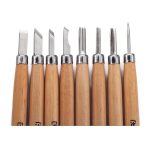
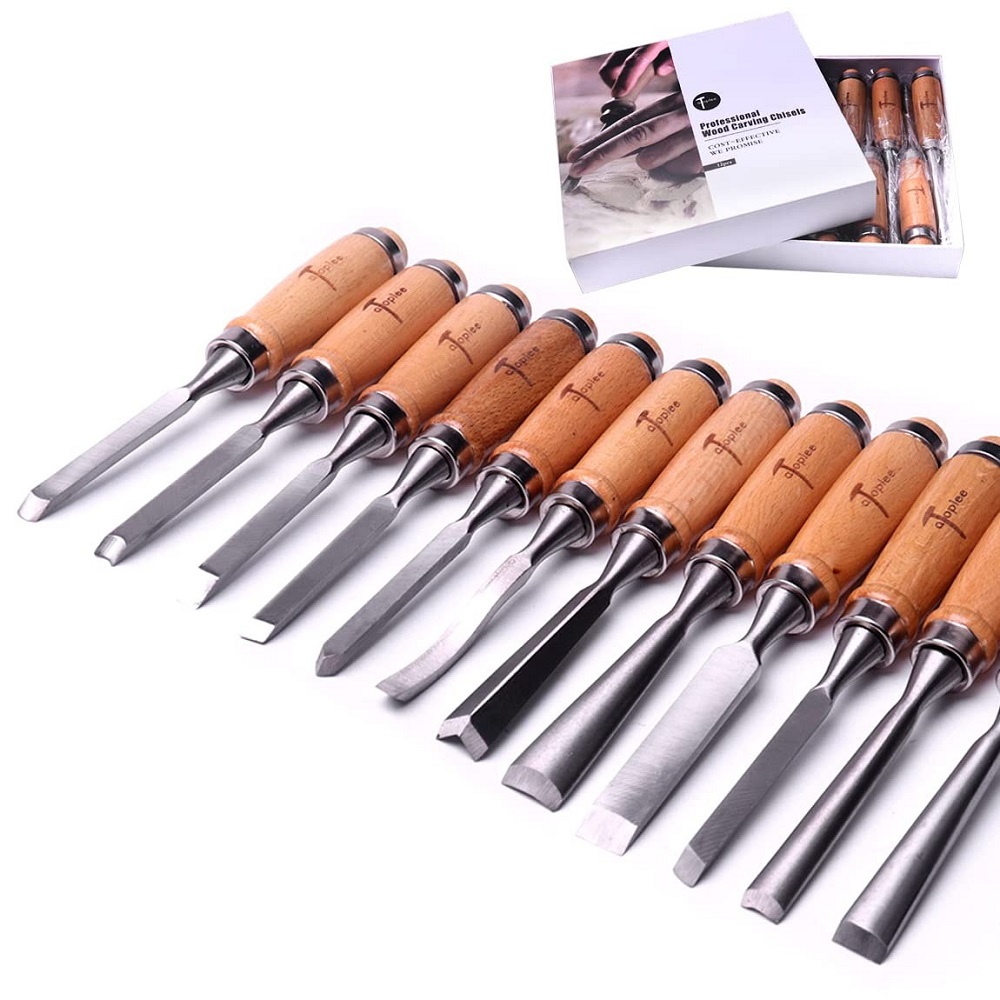
Chisels are fundamental tools in woodworking, used for cutting, shaping, and carving wood. They come in various sizes and shapes, including flat, beveled, and gouge chisels. A chisel consists of a blade and a handle, providing control during the cutting process.
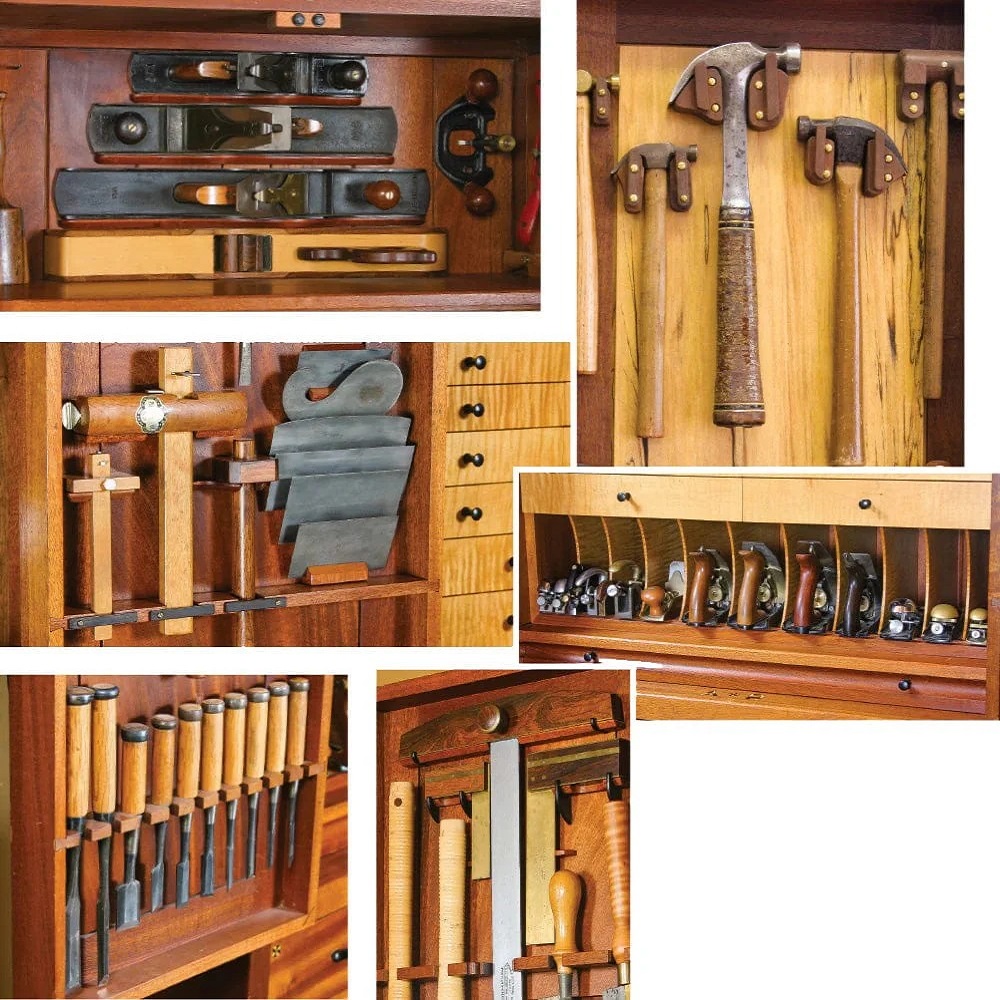
For beginners, starting with a few essential chisels in different widths is advisable. Chisels can be used for tasks such as joinery, detail work, and sculpting. Learning how to use and maintain chisels will greatly enhance your woodworking capabilities.
2. The Hand Saw
The hand saw is another essential tool for any woodworker. These saws come in different types, such as panel saws, crosscut saws, and rip saws, each designed for specific cutting tasks. A hand saw allows for precise straight cuts.
When choosing a hand saw, consider the tooth configuration and blade length. Finer teeth are suitable for smooth cuts, while coarser teeth are better for quick, rough cuts. A reliable hand saw is a must-have in any woodworking toolkit.
3. The Plane
A hand plane is used to smooth and shape wood. It consists of a flat base and a blade that cuts thin layers from the surface of the wood. Planes are invaluable for achieving a perfectly flat and even surface on boards and furniture.
There are various types of planes, including block planes and bench planes. For beginners, starting with a jack plane can be a great option. It offers versatility for flattening as well as smoothing wood surfaces. Learning how to use a hand plane effectively enhances your woodworking skills.
4. The Square
A square is a simple yet essential tool for any woodworker. It is used to check and mark right angles in woodworking. A square ensures that your cuts are accurate, which is vital for creating joints that fit properly.
There are different types of squares, including framing squares, combination squares, and speed squares. A combination square is particularly useful for both measuring and marking, making it a great tool for beginners. Accurately checking your work with a square will save time and effort in the long run.
Selecting Quality Tools
Assessing Your Needs
Before purchasing hand woodworking tools, assess your needs based on the type of projects you wish to undertake. Consider the skill level you are starting from and the complexity of your intended projects. Beginners may want to focus on essential tools that provide flexibility for various tasks.
Starting with a limited selection of high-quality tools is better than filling your workshop with low-quality items. As your skills develop, you can gradually expand your collection. Assessing your needs helps you make informed decisions when choosing tools.
Researching Brands
Choosing reputable brands is essential when investing in hand woodworking tools. Established brands are known for their quality and performance. Research various brands and look for reviews from other woodworkers. Popular brands often have loyal followings due to their craftsmanship and reliability.
Consider brands like Stanley, Lie-Nielsen, and WoodRiver, known for their well-made tools. Understanding the reputation of different brands can guide your selection and ensure you purchase quality equipment.
Balancing Quality and Budget
When starting, it is essential to find a balance between quality and budget. While investing in high-quality tools is crucial, beginners should also be cautious about overspending. There are options available at various price points, allowing you to hand-pick essential tools without breaking the bank.
Start with a few key tools that will allow you to complete projects effectively. As your skills grow and your budget allows, consider adding more advanced tools to your collection. Investing wisely in quality hand tools will serve you well for years.

Techniques for Using Hand Tools
Proper Grip and Control
When using hand tools, having the proper grip is vital for control and accuracy. For chisels, hold the handle firmly but comfortably, allowing for precision during cuts. When using a hand saw, maintain steady pressure while moving the saw in a straight line.
Developing good grip techniques takes practice. Experiment with different grips to find what works best for you. A comfortable grip allows for greater finesse in your work, enhancing the quality of your projects.
Maintaining Tools
Maintaining your hand tools is essential for their longevity and performance. After each use, clean your tools to remove dirt and sawdust. For chisels and planes, keep blades sharp to ensure clean cuts. Regularly sharpen tools using honing stones or specialized sharpeners.
Additionally, store your tools in a dry area to prevent corrosion. Some tools may require oiling to protect metal surfaces. Understanding how to care for your tools will enhance their performance and keep them in excellent condition.
Practicing Techniques
Learning to use hand tools effectively requires practice. Set aside time to work specifically on developing your skills. Start with simple projects that allow you to practice techniques like cutting, shaping, and joining.
As you gain confidence, challenge yourself with more complex designs. This practice will help you become comfortable with the tools and improve your overall proficiency in woodworking. Embrace the learning process, and enjoy the journey of developing your skills.
Safety Considerations
Wearing Protective Gear
Safety should be a top priority when working with hand tools. Always wear protective gear, such as safety goggles and gloves, to safeguard against accidents. Goggles protect your eyes from dust and debris, while gloves provide grip and reduce the risk of cuts.
Consider wearing hearing protection if you are using power tools nearby, even if you are primarily working with hand tools. Creating a safe workspace minimizes the risk of accidents and ensures a productive environment.
Maintaining a Clean Work Area
A clean workspace is essential for safety and efficiency. Clutter can lead to accidents or distractions while you work. Regularly organize your workspace, keeping tools and materials in their designated locations.
Ensure that the floor is free from tripping hazards, and keep sharp tools stored safely. A well-maintained clean work area promotes focus and prevents injuries. Establishing good habits will lead to a more enjoyable and safer woodworking experience.
Knowing Your Tools
Familiarize yourself with the tools you are using to prevent accidents. Understand how each tool functions and its specific purpose in your projects. Read the manufacturer’s instructions and safety guidelines, ensuring you are knowledgeable about proper usage.
Recognizing the capabilities and limits of your tools will help you work efficiently and safely. The better you understand your tools, the more confident you will feel while using them.

FAQ:
- How do I choose the right hand tools for woodworking?
- When choosing hand tools, consider the type of projects you want to undertake. Look for tools that are comfortable to hold, durable, and suited to the specific tasks. Research different styles and brands to find those that fit your needs and budget.
- What maintenance is required for hand woodworking tools?
- Regular maintenance includes cleaning tools after use, sharpening blades and edges, and applying oil to prevent rust. Store tools in a dry place, and protect them with cases or sheaths to minimize damage while not in use.
- Are vintage hand tools a good choice for beginners?
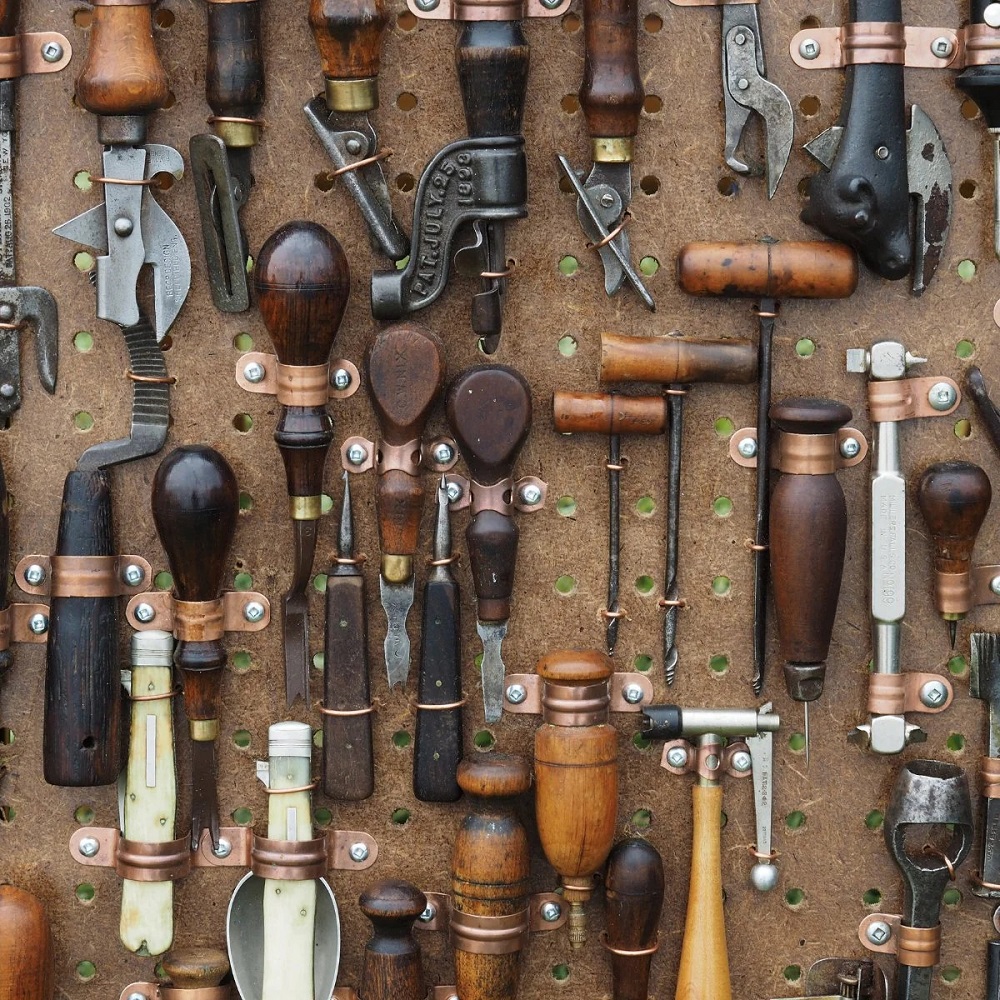
- Vintage hand tools can be a great choice for beginners, as many are well-made and durable. However, ensure they are in good condition and have been properly cared for. Be prepared to sharpen or restore them, as they might require maintenance before use.
- How do I properly sharpen hand tools?
- To sharpen hand tools, you can use sharpening stones, honing guides, or a sharpening system. Begin by determining the correct angle for each tool’s blade, then systematically work the blade against the stone or honing surface until it becomes sharp. Regularly honing between sharpening sessions helps maintain the edge.
- Can I use hand tools for complex woodworking projects?
- Yes, hand tools can be used for both simple and complex woodworking projects. They offer precision and control that can be difficult to achieve with power tools. Many woodworkers prefer hand tools for fine details, joinery, and specific techniques that require finesse. As you gain experience, you’ll discover the advantages of using hand tools in various applications.
Conclusion
The Value of Hand Woodworking Tools
In conclusion, investing in quality hand woodworking tools is essential for anyone interested in woodworking. Proper tools enhance the craftsmanship of your projects and make the process more enjoyable. Understanding your project needs and researching brands will guide you in making the best choices.
Emphasizing Maintenance and Safety
Prioritizing care and maintenance for your tools is crucial for optimal performance. Regular cleaning and inspections will ensure your tools continue to serve you well. Additionally, always remember the importance of safety while working. Following these practices will reduce the risk of accidents and enhance your crafting experience.
Ready to Begin Your Woodworking Journey?
With the insights gained from this guide, you are well-equipped to select the best hand woodworking tools for beginners that suit your needs. Embrace the opportunity to invest in quality equipment that enhances your skills and creativity. Start your woodworking journey with confidence and passion, and enjoy the process of creating beautiful works of art from wood!