Understanding the Concept Behind Magnetic Bracelets
Many people wonder, do magnetic bracelets work? This question has sparked curiosity for decades. These accessories contain small magnets embedded in the band. Proponents claim they influence the body’s energy flow. Others believe the magnets interact with blood circulation. The idea is that improved blood movement leads to better health. While scientific consensus remains divided, personal stories continue to grow.
Users often report reduced discomfort in joints and muscles. Some say they sleep better after wearing magnetic bracelets. Athletes use them hoping to speed up recovery. Even individuals with chronic conditions explore this option. Most users start out skeptical but remain open-minded. They want real answers about effectiveness. As interest increases, more brands enter the market. Variations now include different strengths, materials, and designs. Whether made from stainless steel, copper, or silicone, each promises results. Still, the core inquiry persists—do magnetic bracelets work?
 The Science Behind Magnetic Therapy
Magnetic therapy relies on the concept that magnetic fields affect biological processes. The human body conducts electricity through nerves and ions. In theory, external magnets could alter these currents slightly. Blood contains iron in hemoglobin, which responds to magnetism. Some suggest this interaction improves oxygen delivery. Enhanced circulation might reduce inflammation and pain. That would explain why some feel relief when using magnetic bracelets.
However, most clinical studies show limited evidence. Regulatory agencies like the FDA have not approved magnetic bracelets as medical devices. Researchers note that placebo effects may play a significant role. When someone believes a treatment works, their brain can trigger real physical responses. This psychological component should not be ignored. Still, absence of strong proof does not equal disproof. Many alternative therapies lack large-scale trials yet remain widely used. For now, science stays cautious while leaving room for further exploration. Do magnetic bracelets work? The answer depends on how one defines “work.”
How People Use Magnetic Bracelets Today
Modern users wear magnetic bracelets for various reasons. One common purpose is managing joint discomfort. Individuals with arthritis often try them as complementary support. They usually pair the bracelets with other treatments. Few expect miracles, but many welcome small improvements. Easier movement and less stiffness make daily tasks more manageable. Over time, these minor gains add up.
Another growing trend is athletic performance and recovery. Runners, cyclists, and gym-goers use magnetic bracelets during training. They hope to reduce muscle fatigue and soreness. Some report quicker bounce-back after intense workouts. Others notice improved endurance over weeks of consistent use. While no study confirms these outcomes, anecdotal feedback remains positive. Lifestyle integration makes the practice appealing. Wearing a bracelet requires no extra effort. It fits easily into routines without disruption.
 Design and Comfort of Magnetic Bracelets
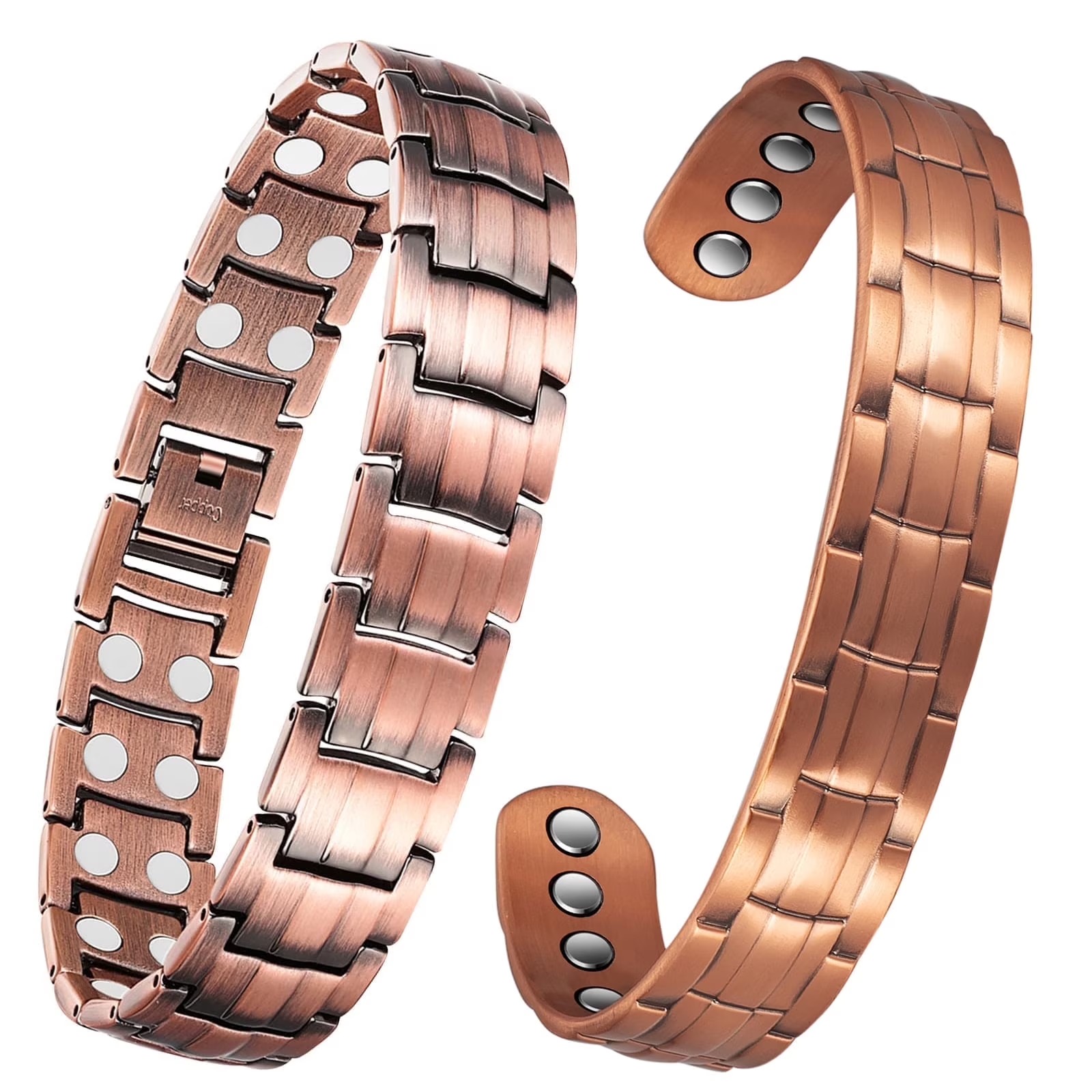
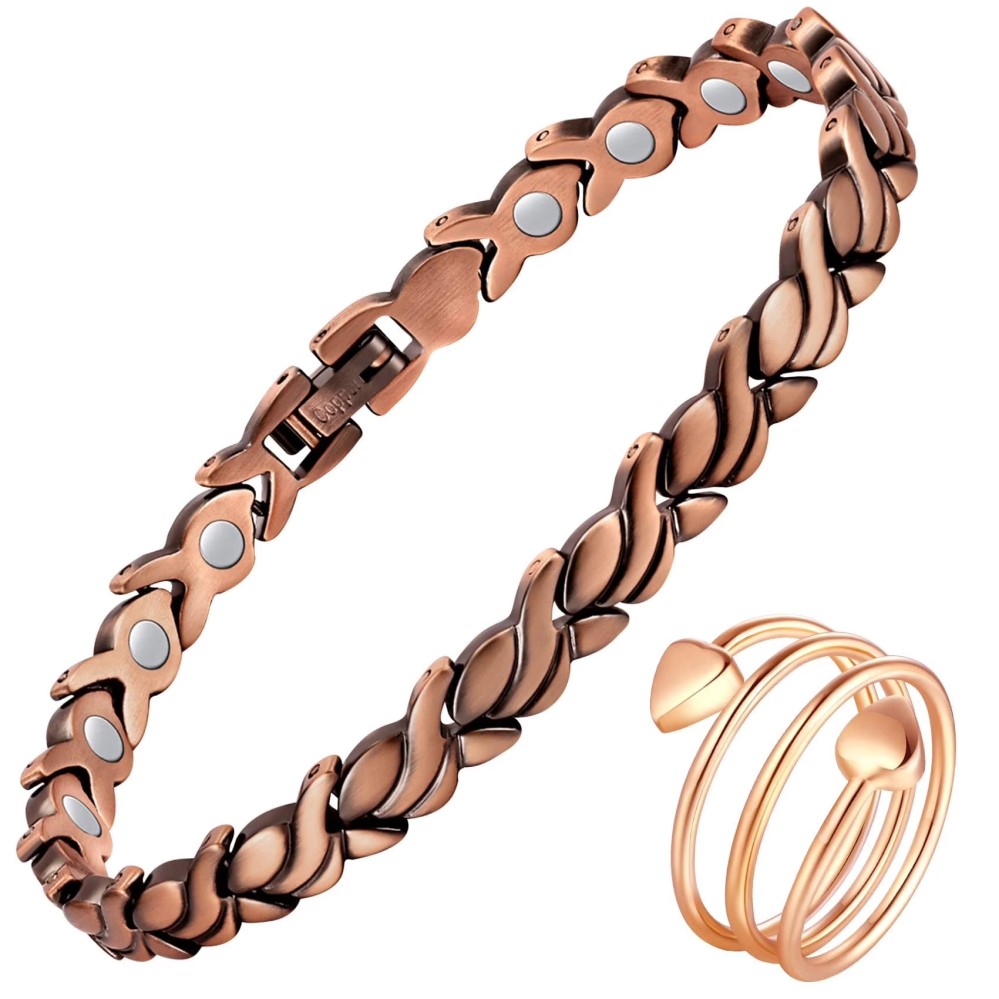
The design of magnetic bracelets plays a major role in user experience. Early versions were bulky and unattractive. Today’s models focus on aesthetics and wearability. Sleek chains, braided bands, and minimalist cuffs are now available. Many resemble traditional jewelry pieces. This allows people to wear them anywhere without drawing unwanted attention. Fashion and function blend seamlessly.
Comfort is equally important. Adjustable links ensure a proper fit for any wrist size. Soft inner linings prevent skin irritation. Lightweight materials reduce strain during long-term use. Some magnetic bracelets feature flexible silicone for active lifestyles. Others use durable metals for a premium feel. Magnetic clasps make putting them on effortless. All these features encourage regular use. If a device is uncomfortable, people stop using it. Good design removes that barrier. Ultimately, comfort increases the chance of continued wear. And consistency matters when testing whether do magnetic bracelets work.
Potential Benefits Reported by Users
Although scientific validation is limited, user-reported benefits are numerous. One frequently mentioned advantage is increased energy levels. Wearers describe feeling more alert and less fatigued throughout the day. Some link this to better sleep patterns. They fall asleep faster and wake up refreshed. Improved rest supports overall well-being. Energy boosts may stem indirectly from enhanced relaxation.
Another commonly shared benefit is reduced stress. The act of wearing a wellness accessory can create a calming ritual. Touching the bracelet serves as a mindfulness cue. Deep breathing often follows naturally. This mental reset helps manage anxiety. Some users combine magnetic bracelets with meditation practices. Even if the magnets themselves don’t cause changes, the routine does. Psychological tools matter just as much as physical ones. These subtle shifts contribute to perceived success. Hence, people keep asking—do magnetic bracelets work—and many answer yes.
 Safety and Side Effects of Magnetic Bracelets
Safety is a top concern for anyone trying new wellness products. Fortunately, magnetic bracelets are generally safe for most adults. The magnets used are low-strength and non-invasive. They do not emit radiation or heat. No surgery or medication is involved. This makes them a low-risk option compared to pharmaceuticals. Minor skin reactions may occur in rare cases. These usually result from metal allergies rather than magnetism.
Still, certain groups should exercise caution. People with pacemakers or implanted defibrillators must avoid magnetic bracelets. Magnets can interfere with electronic medical devices. Pregnant women should consult doctors before use. Children should only wear them under supervision. Anyone undergoing cancer treatment should seek professional advice. While side effects are minimal, precautions matter. Safety enhances trust in alternative methods. When users feel secure, they’re more likely to stick with a practice. Long-term use provides clearer insights into whether do magnetic bracelets work.
Frequently Asked Questions About Magnetic Bracelets
Can magnetic bracelets help with arthritis pain?
Many users turn to magnetic bracelets seeking arthritis relief. They report decreased stiffness and improved mobility. Some find they need fewer painkillers over time. While research hasn’t confirmed this effect, personal experiences vary. The placebo response may still produce real symptom reduction. Pain perception is influenced by mindset. Feeling hopeful can lower discomfort levels.
Also, consistent wear builds a habit of self-care. Checking the bracelet reminds users to stretch or rest. Small behavioral changes improve joint health. Whether the magnet itself acts or the routine does, results matter. For those exploring natural support options, magnetic bracelets offer a non-invasive path. They complement existing therapies without replacing them. So, can they help? Many say yes—even if the reason isn’t fully understood.
Are there different types of magnets in these bracelets?
Yes, magnetic bracelets use various magnet types. Neodymium magnets are strong and compact. They provide high field intensity in small sizes. Ceramic magnets are less powerful but more affordable. Flexible rubber magnets appear in sporty bands. Each type delivers a unique strength level. Some combine multiple kinds for balanced output.
Magnet placement also differs across designs. Some align poles uniformly. Others alternate north and south facing directions. Multi-polar arrangements aim to cover more surface area. Strength is measured in gauss units. Typical ranges go from 800 to 3,000 gauss. Higher numbers don’t always mean better results. Comfort and consistency matter more than sheer power. Choosing the right type depends on individual needs and sensitivity.
How long should I wear a magnetic bracelet to see results?
Results vary by person and condition. Some notice changes within days. Others require several weeks of continuous use. Experts recommend wearing the bracelet at least 8 hours daily. Overnight wear may enhance effects due to prolonged exposure. Consistency increases the chance of observing benefits. Skipping days reduces potential outcomes.
Patience is essential. The body adapts slowly to subtle influences. Immediate transformations are unlikely. Tracking symptoms in a journal helps identify patterns. Note energy levels, pain intensity, and sleep quality. After four to six weeks, review progress. If no improvement occurs, consider adjusting usage or discontinuing. Not every method works for everyone. Knowing when to stop is part of informed decision-making. The key is giving it enough time to assess whether do magnetic bracelets work.
Do magnetic bracelets lose their power over time?
Permanent magnets can weaken under extreme conditions. Exposure to high heat, sharp impacts, or demagnetizing fields may reduce strength. Normal daily wear rarely causes this issue. Most quality magnetic bracelets retain magnetism for years. Manufacturers often guarantee lasting performance. Proper care extends lifespan significantly.
Avoid leaving them near microwaves, speakers, or MRI machines. Store away from electronics and strong magnetic sources. Clean gently with a dry cloth. Do not soak in water unless designed for it. Regular inspection ensures everything functions correctly. If you suspect loss of power, test with a paperclip. If attraction remains, the magnets are still active. Replacement is only needed if damage occurs. With basic maintenance, your magnetic bracelet should last a long time.
 Where to Buy Reliable Magnetic Bracelets
Purchasing magnetic bracelets requires careful selection. Reputable brands provide clear product details. Look for information on magnet type, strength, and material composition. Avoid vague claims like “miracle cure” or “instant results.” Trustworthy sellers focus on wellness support, not false promises. Customer reviews offer insight into real-world performance. Pay attention to comments about durability and comfort.
Online marketplaces host countless options. Filter by verified purchases and high ratings. Specialty wellness stores often carry tested products. Local jewelers may stock therapeutic styles too. Always check return policies before buying. Try the bracelet for a few weeks to evaluate its impact. If unsatisfied, return it hassle-free. Trusted vendors stand behind their items. Buying from reliable sources increases confidence. This step supports honest assessment of whether do magnetic bracelets work.
 Final Thoughts on Whether Magnetic Bracelets Deliver Results
After reviewing science, user experiences, and safety, the central question remains—do magnetic bracelets work? There is no universal answer. For some, they bring noticeable improvements. Others detect no change at all. Individual biology, expectations, and lifestyle factors shape outcomes. What works for one person may not work for another. Yet, millions continue to use them worldwide.
Their popularity suggests value beyond laboratory metrics. Ease of use, low risk, and potential benefits make them appealing. They encourage mindfulness and self-awareness. Wearing a magnetic bracelet becomes part of a broader wellness journey. Even if effects are subtle, they contribute to daily balance. In a world full of complex solutions, simplicity has merit. So, do magnetic bracelets work? For many, the answer is yes—in ways both seen and unseen.