Introduction
The Importance of Cycling Helmets
Safety is a paramount concern for cyclists, whether they ride for leisure or competition. One of the most crucial pieces of gear is the cycling helmet. A well-designed helmet can significantly reduce the risk of serious head injuries in the event of an accident. Research has shown that wearing a helmet can lower the incidence of brain injuries by up to 70%. Knowing this, both recreational riders and serious cyclists prioritize finding a helmet that combines safety with comfort and performance.
Evolution of Helmet Design
Cycling helmets have evolved significantly over the years. Early models were often bulky and provided minimal ventilation, resulting in discomfort during long rides. Modern helmets have undergone innovative changes driven by advancements in materials and technology. Today’s helmets are lightweight, aerodynamic, and offer numerous features that enhance their protective capabilities. Understanding these innovations is essential for cyclists looking to invest in the best head protection.

Purpose of the Article
This article will explore the latest innovations in cycling helmet design and technology. We will discuss new materials, ventilation systems, and smart technology features. Additionally, we’ll provide insights on how to choose the right helmet for your riding style. By the end of this guide, you’ll be informed about the latest trends and be better equipped to select a helmet that meets your needs.
Advanced Materials
Impact-Resistant Foam
Recent advancements in materials have significantly improved helmet safety. One of the most notable developments is the use of high-quality impact-resistant foam. Traditional polystyrene foam, while effective, has been supplemented or replaced with newer materials. For instance, expanded polypropylene (EPP) and expanded polycarbonate (EPS) offer superior energy absorption during impacts.
These materials are designed to crumple upon impact, absorbing the force and reducing the energy transmitted to the skull. The result is improved protection for cyclists. Many manufacturers are now using these sophisticated materials in their helmets, making them safer and more durable than ever before.
Carbon Fiber and Composite Shells
In addition to high-quality foam, the outer shells of helmets have also seen innovation. Manufacturers are now incorporating carbon fiber and composite materials into their designs. These materials are incredibly strong yet lightweight, allowing for increased safety without added bulk.
A helmet constructed with a carbon fiber shell can withstand greater forces during impacts. This results in better overall performance for the wearer. Cyclists looking for lightweight yet protective helmets often gravitate toward these advanced materials, especially in competitive environments where every gram counts.
MIPS Technology
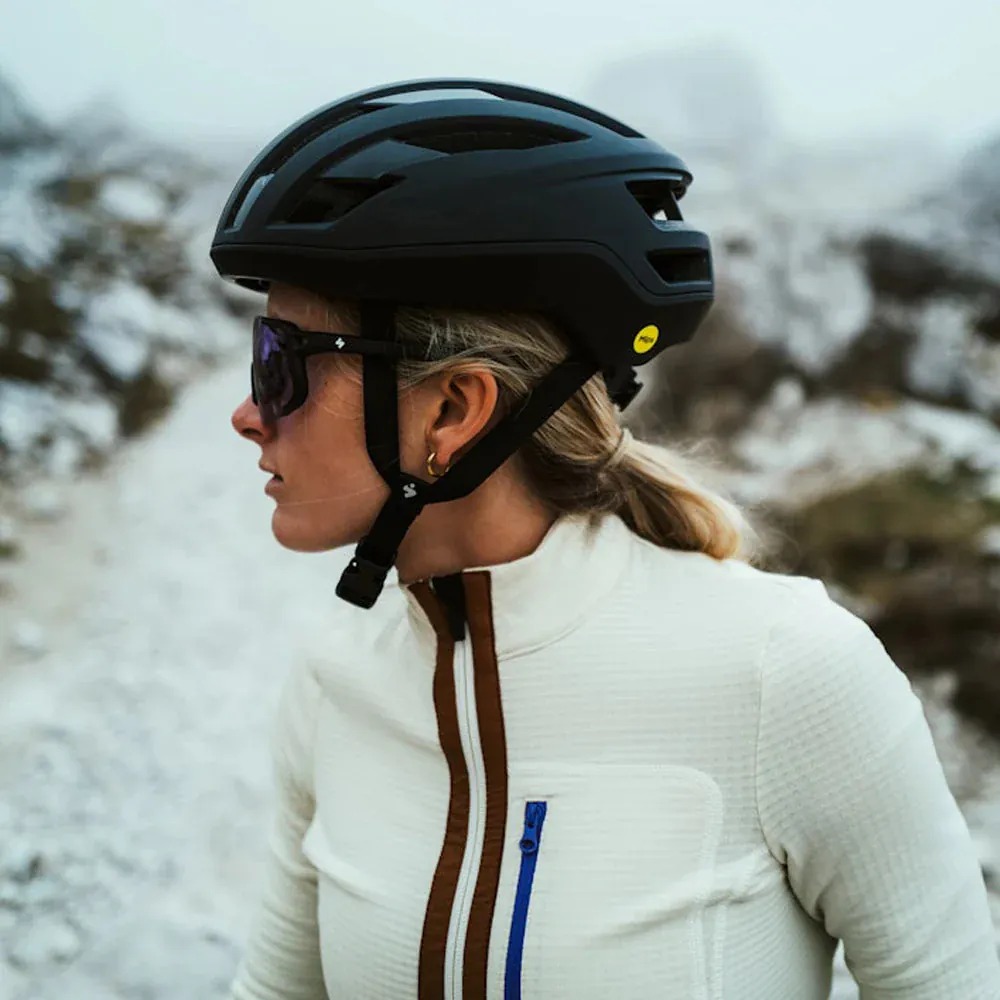
One of the most significant innovations in helmet design is MIPS (Multi-directional Impact Protection System). MIPS is designed to reduce rotational forces during an impact. This technology involves a low-friction layer between the helmet shell and the foam liner. During a collision, the MIPS layer allows the helmet to rotate slightly, absorbing some of the rotational energy that could cause brain injury.
Helmets equipped with MIPS technology are gaining in popularity among cyclists. Many brands are now producing MIPS-compatible designs as safety standards evolve. Riders interested in maximizing their protection should consider helmets with this innovative technology.
Aerodynamics and Ventilation
Streamlined Designs
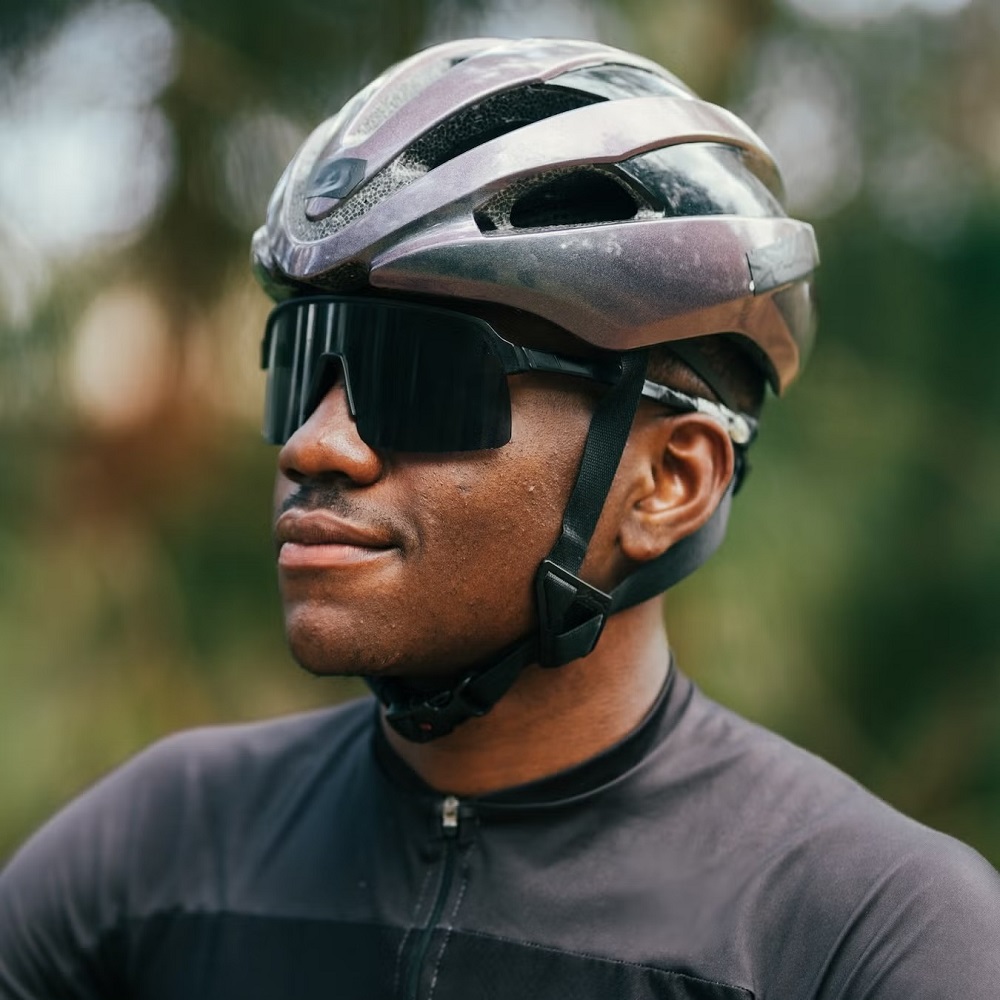
Aerodynamics plays a crucial role in performance for competitive cyclists. Modern cycling helmets feature streamlined designs that minimize drag while riding. Manufacturers utilize wind tunnel testing to create shapes that optimize airflow. The result is a helmet that enhances speed without compromising safety.
The integration of aerodynamic features is particularly beneficial for road cyclists and triathletes. As these riders aim for optimal efficiency, investing in a helmet with a streamlined design can contribute to improved performance. Additionally, the aesthetic appeal of these helmets often resonates with cyclists who prioritize style alongside function.
Improved Ventilation Systems
While aerodynamics is essential, airflow and ventilation are equally important. Many modern helmets include advanced ventilation systems that keep riders cool during intense efforts. Strategically placed vents allow air to circulate, helping to regulate body temperature. Manufacturers are designing helmets with more ventilation channels than ever before, which ensures that even on hot days, cyclists feel fresh and comfortable.
Some helmets now incorporate unique ventilation technologies. For example, certain designs feature adjustable vents that can be opened or closed depending on the weather conditions. This adaptability enhances comfort and performance, regardless of the external environment. Cyclists should look for helmets that offer both aerodynamic advantages and sufficient airflow for optimal comfort.
Smart Technology in Helmets
Integrated Safety Features
In today’s tech-driven world, helmets are increasingly equipped with smart technology. Some cycling helmets now come with integrated safety features, such as crash detection systems. These systems can detect when a cyclist has experienced a fall and send alerts to emergency contacts. By providing timely information after an accident, these helmets enhance safety for riders who often cycle alone.
Bluetooth Connectivity
Another emerging trend is Bluetooth connectivity, allowing riders to connect their helmets to smartphones or other devices. This feature makes it easy to receive navigation prompts, listen to music, or take calls while cycling. Integrated speakers and microphones provide a hands-free experience, allowing cyclists to stay connected without distractions.
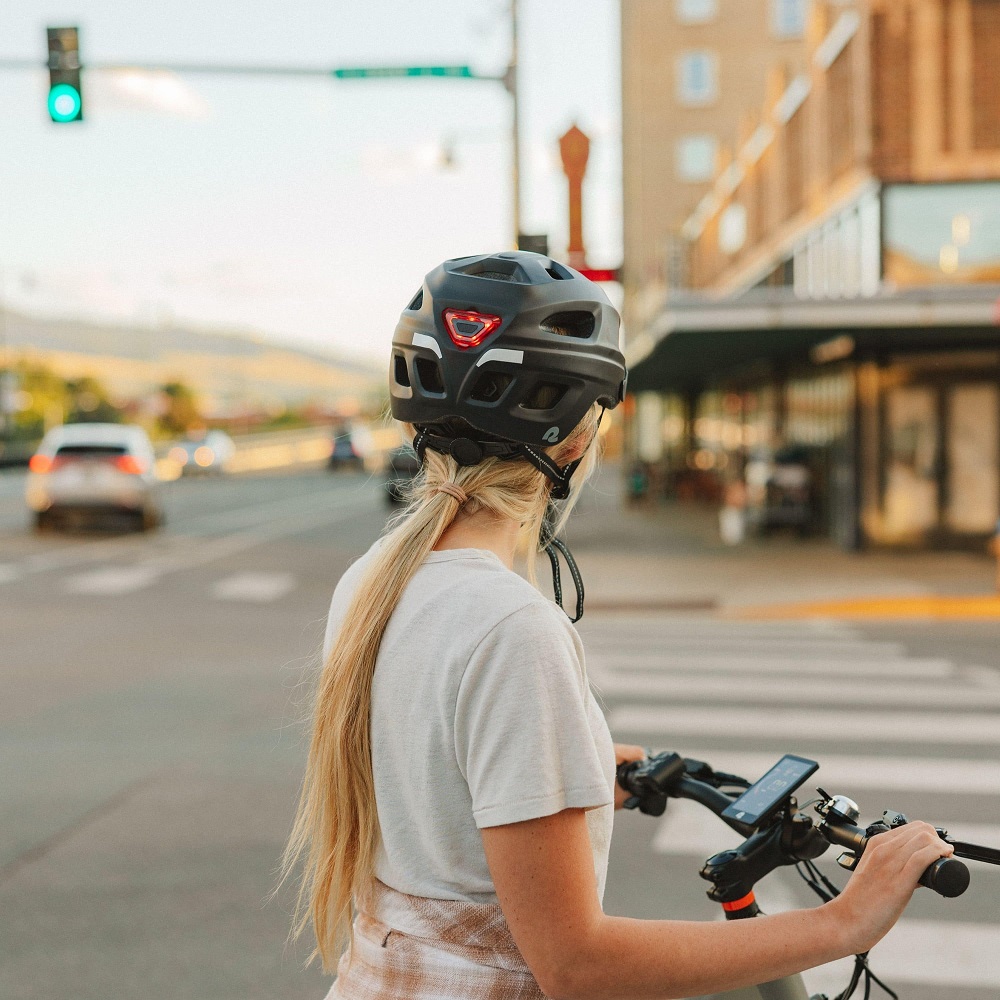
Bluetooth connectivity can also improve visibility. Some helmets now incorporate LED lights or indicators that sync with signals from other devices. This innovation enhances safety, especially when riding in low-light conditions. Cyclists should consider helmets with these features for greater convenience and safety on the road.
Customizable Settings
Some smart helmets offer users the ability to customize their settings through a mobile app. Riders can adjust the airflow, lighting, and even track their fitness metrics. This level of personalization allows cyclists to tailor their helmet performance to match their riding style and preferences. As technology evolves, the integration of customizable features will likely become more common among leading brands.
Fitting Your Cycling Helmet
Importance of Proper Fit
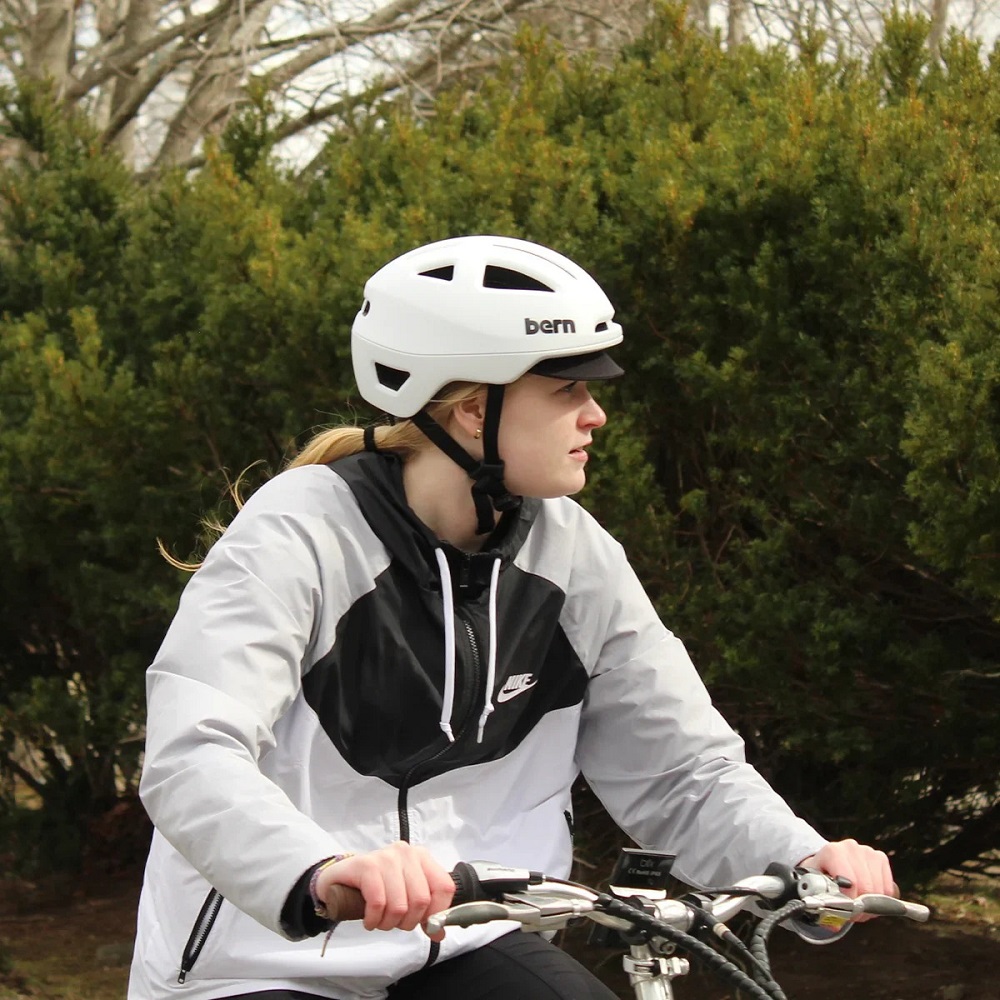
Choosing the right helmet shape and size is critical for safety and comfort. A helmet that fits well will provide maximum protection and stability. When a helmet is too loose, it may shift during rides, which can compromise safety. Conversely, a tight helmet can cause discomfort, leading to distractions during a ride. A proper fit is essential for a great cycling experience.
Measuring Your Head Size
To find the right helmet, begin by measuring your head size. Take a soft measuring tape and wrap it around the fullest part of your head, typically just above the ears. Record your measurement and use it to compare with the manufacturer’s sizing chart. Different brands may have various sizing standards, so always refer to the specific chart while making your selection.
Trying on Helmets
If possible, try on several helmets before making a purchase. The helmet should sit level on your head and not rock back and forth. Adjust the straps to create a snug and secure fit. Check that the helmet doesn’t cause pressure points on your forehead or other areas. Wear the helmet for a few minutes to get a sense of how it feels while stationary. A proper fitting helmet should feel comfortable and stable.
Caring for Your Cycling Helmet
Regular Cleaning
Maintaining your cycling helmet is essential for ensuring its longevity and functionality. Regular cleaning helps to remove dirt, sweat, and grime that can accumulate during rides. Use a soft cloth and mild soap to wipe down the exterior. Most helmets can also be washed with warm water, but be sure to follow the manufacturer’s care instructions.
Additionally, regularly check the straps and buckle for wear and tear. If any components become damaged, they should be replaced to ensure safety during rides. Keeping your helmet clean and in good condition enhances both performance and safety.
Avoiding Direct Sunlight
Exposure to direct sunlight can damage the materials used in cycling helmets over time. Extended sun exposure can lead to fading, warping, and the degradation of safety features. Store your helmet in a cool, dry place away from direct sunlight when not in use. Consider using a protective bag or keeping it in a cupboard to shield it from potential damage.
Replacing Your Helmet
Like any other safety equipment, cycling helmets have a lifespan. Over time, materials can degrade, and the helmet may become less effective at protecting your head. Generally, a helmet should be replaced every 3 to 5 years or after any significant impact. If your helmet experiences a crash, even minor injuries, it is crucial to replace it right away. Prioritize your safety and ensure that your helmet is in optimal condition whenever you ride.
Budget Considerations
Setting a Budget for Your Helmet
When investing in a cycling helmet, setting a budget is essential. Helmets can vary in price from budget-friendly options to high-end, feature-rich models. Understand your own budget requirements before making a decision. Having a price range in mind allows you to filter options and focus on helmets that fit your specifications.
Evaluating Cost vs. Quality
While a lower price may be tempting, remember that quality helmets offer better protection and comfort. Investing in a reliable helmet can make a significant difference during rides. Look for helmets that meet safety standards and have positive user reviews. The cost of a good helmet can be justified by the safety and performance benefits it provides.
Finding Deals and Discounts
Keep an eye out for sales and discounts when shopping for a new helmet. Many retailers offer promotions during the holiday season or major sales events. Sign up for newsletters from cycling brands or stores to receive notifications about upcoming sales. Taking advantage of these deals can help you find the ideal helmet at a more affordable price.
FAQ:
- How does MIPS technology enhance safety in cycling helmets?
-
- MIPS (Multi-directional Impact Protection System) is a safety feature designed to reduce rotational forces during an impact. It consists of a low-friction layer that allows the helmet to slide slightly upon impact, minimizing the rotational motion transferred to the brain and reducing the risk of injury.
- What features should I look for in a cycling helmet?
-
- When selecting a cycling helmet, look for features such as proper fit and comfort, adjustable straps and retention systems, ventilation for airflow, lightweight materials, and safety certifications (like CPSC or EN 1078). Consider additional features like visors, built-in lights, or reflective elements for added safety.
- Are there smart cycling helmets available?
-
- Yes, smart cycling helmets are available and often come equipped with features like integrated Bluetooth speakers, communication systems for hands-free calls, built-in lights, and even GPS navigation. These helmets enhance the riding experience while ensuring safety and convenience.
- How do I properly fit a cycling helmet?
-
- To fit a cycling helmet correctly, place it level on your head, ensuring it covers your forehead without obstructing your vision. Adjust the straps so they form a “V” shape under your ears, and ensure the helmet sits snugly without excessive movement. Use the dial or adjustment system to fine-tune the fit.
- How often should I replace my cycling helmet?
-
- It is generally recommended to replace your cycling helmet every 3 to 5 years, even if it hasn’t been involved in an accident, as materials can degrade over time. Additionally, if your helmet has been involved in a crash or shows visible damage (like cracks or dents), you should replace it immediately for safety reasons.
Conclusion
Choosing the Right Cycling Helmet for Your Needs
Selecting the right cycling helmet is essential for enhancing safety, comfort, and performance during rides. Consider the various types, features, and fitting options available to find the perfect helmet for your cycling style. Understanding the unique features of each model will help you make an informed decision.
Prioritizing Safety in Cycling
As you embark on your cycling journey, remember that safety should always come first. A high-quality helmet can significantly reduce the risk of head injuries during accidents. Wearing a helmet not only protects you but also sets a good example for other cyclists.
Ready to Ride with Confidence?
With the information provided in this guide, including options for lightweight cycling helmets for better performance, you are now prepared to find the perfect cycling helmet for your needs. Explore your options and make a choice that aligns with your preferences and budget. Embrace your rides with confidence, knowing that you have made a wise investment in your safety and enjoyment on the bike. Happy cycling!