Why the Brooch Pin Still Matters in Modern Style
The brooch pin has remained a staple in fashion for centuries. It began as a practical tool. Early humans used it to fasten cloaks and garments. Over time, its role shifted from utility to elegance. Today, the brooch pin is more than decoration. It expresses identity, status, and creativity. Designers and wearers alike value its versatility.
You can wear a brooch pin on jackets, scarves, or dresses. It adds flair to both casual and formal outfits. Minimalist styles suit daily wear. Bold designs make statements at events. Whether vintage or modern, each piece tells a story. Its small size does not limit impact. In fact, the brooch pin often becomes the focal point of an ensemble.
 A Glimpse into the History of the Brooch
Ancient Origins and Functional Beginnings
The earliest known brooch pin dates back to the Bronze Age. People called it a fibula. It worked like a large safety pin. Craftsmen made them from bronze or iron. Their main job was holding clothing together. Without buttons or zippers, these pins were essential. They kept tunics and cloaks securely in place.
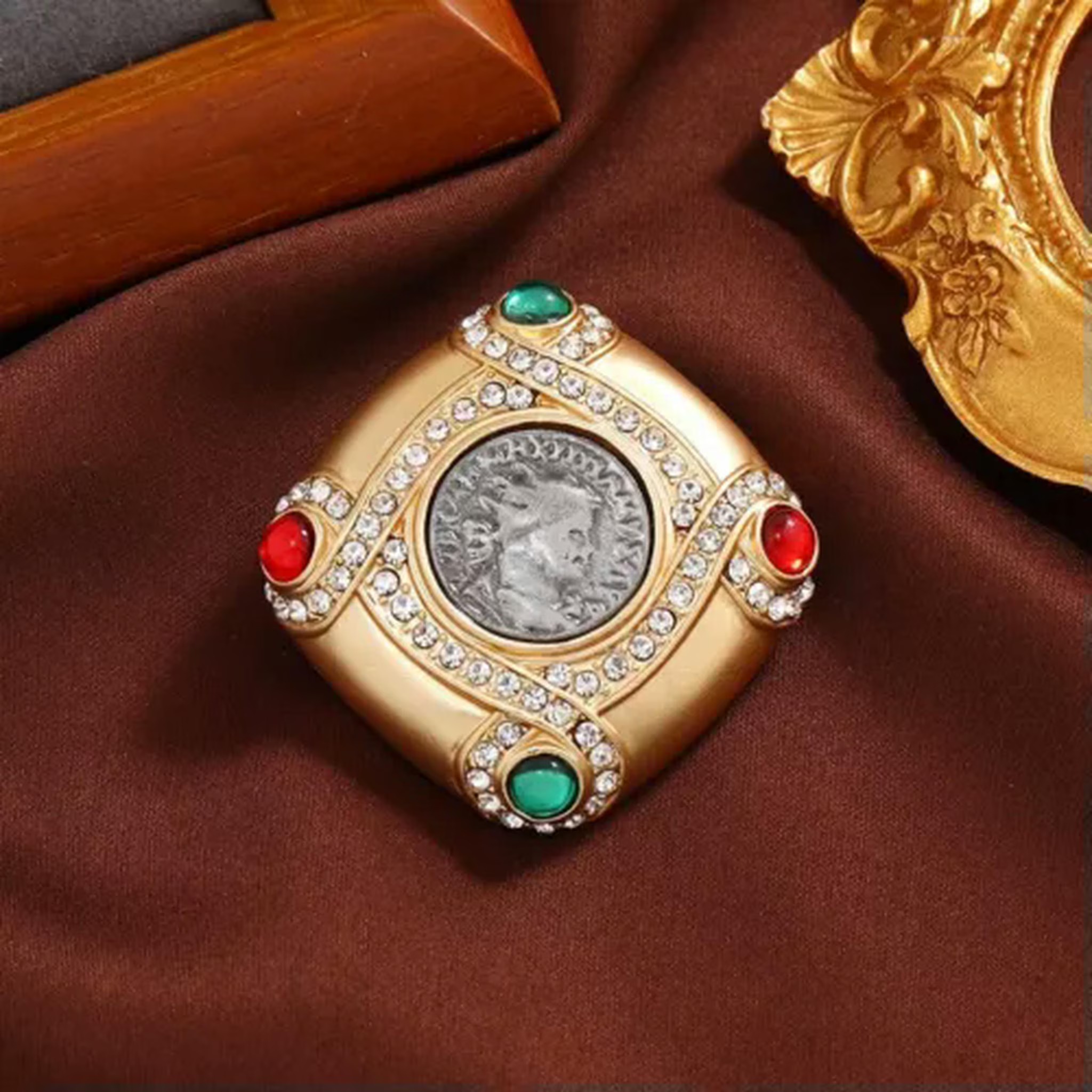
As societies advanced, so did design. Artisans added engravings and gemstones. Wealthy individuals wore ornate versions. These signaled social rank and power. Romans and Greeks decorated their fibulae with symbols. Religious leaders used meaningful motifs too. The brooch pin slowly evolved into a symbol of prestige.
From Utility to High Fashion
By the 18th century, the brooch pin lost its functional need. Buttons and zippers replaced it for fastening. However, its decorative value grew stronger. Women began wearing it purely for style. They pinned it on bodices, hats, and shawls. The Victorian era embraced sentimental jewelry. Lockets, hairwork, and floral themes became popular.
In the 20th century, icons like Queen Elizabeth II elevated its status. She wore brooch pins daily, often with deep meaning. Hollywood stars followed suit. Red carpet events featured dramatic pieces. Designers like Chanel introduced bold costume versions. Today’s brooch pin blends tradition with innovation. It remains relevant across generations.
Styling Ideas
On Outerwear and Coats
A brooch pin instantly upgrades any coat. Place it near the lapel for balance. Dark wool coats look elegant with metallic brooches. Trench coats benefit from vintage-inspired designs. Avoid overcrowding by limiting other chest-level accessories. Let the brooch pin stand out on its own.
Try placing it above a pocket or along a seam line. Scarves also offer great placement options. Drape a silk scarf loosely and secure it with a pin. This method adds sophistication while serving a minor function. Lightweight brooches prevent sagging. With thoughtful positioning, your brooch pin enhances outerwear effortlessly.
With Dresses and Formal Attire
Evening gowns pair beautifully with refined brooch pins. Attach one to a strap for subtle drama. You can also pin it at the waist or hip area. High-neck gowns look stunning with vertical arrangements. Brides often include brooch details in their attire. Some replace traditional bouquets with clusters of pins.
Vintage-style brooch pins shine at themed events. Rhinestone and filigree designs add glamour. Try combining multiple small pins creatively. Arrange them into floral or geometric patterns. This works well on veils or boleros. Whether worn singly or in groups, they elevate formal elegance.
 Symbolism
Personal Expression and Emotional Meaning
Many people choose a brooch pin to express identity. Colors, shapes, and themes carry personal significance. A butterfly might represent transformation. An anchor could symbolize stability. Wearers often select pieces that mirror life experiences. Graduation, motherhood, or recovery journeys inspire meaningful choices.
Gift-giving strengthens emotional bonds. Mothers pass down brooch pins during milestones. Friends exchange them as tokens of loyalty. Military families wear commemorative versions. Each piece tells a story without words. The symbolism transforms the brooch pin into wearable memories.
Cultural and Spiritual Significance
Various cultures assign spiritual value to the brooch pin. In Celtic traditions, knotwork designs symbolize eternity. Native American styles incorporate animal totems. Feathers, wolves, and eagles appear frequently. These items connect wearers to ancestral roots. Religious communities may use sacred symbols as well. Crosses, hamsas, or lotus flowers serve dual purposes.
Some believe certain brooch pins bring protection. Amulets and talismans ward off negative energy. Others attract luck, love, or prosperity. Crystals like amethyst or citrine are common inclusions. Energy alignment plays a role in selection. Beyond beauty, the brooch pin becomes a tool for intention setting.
Materials and Craftsmanship
Common Materials Used Today
Modern brooch pins come in diverse materials. Metals like silver, gold, and brass form sturdy bases. Plated finishes offer affordability without sacrificing shine. Costume jewelry uses alloys and acrylics. These keep costs low while maintaining visual appeal. Gemstones range from cubic zirconia to real diamonds.
Natural elements like wood, shell, and resin add texture. Enamel coating provides vibrant color accents. Fabric-covered brooches introduce softness. Sustainable brands now use recycled metals. Ethical sourcing is becoming more common. Material choice impacts durability and aesthetic impact.
Handmade vs. Mass-Produced Brooch Pins
Handcrafted brooch pins often feature unique details. Artisans spend hours perfecting each piece. Limited runs ensure exclusivity. Buyers appreciate the human touch behind these works. Imperfections add charm and authenticity. Independent creators sell through platforms like Etsy.
Mass-produced versions prioritize consistency. Factories replicate designs efficiently. Prices remain accessible for wider audiences. While lacking uniqueness, they offer reliability. Uniform quality appeals to those seeking replacements. Both types serve different needs. Consumers should weigh value, budget, and purpose when choosing.
 Where to Buy Brooch
Online Marketplaces and Specialty Stores
Shopping online offers convenience and variety. Amazon carries affordable, ready-to-ship options. Etsy connects buyers with independent makers. eBay hosts vintage and collectible finds. Department store websites feature curated selections. Always read customer reviews before purchasing. Check return policies and shipping times carefully.
Specialty boutiques focus on niche markets. Some cater exclusively to vintage jewelry lovers. Others highlight eco-friendly or artisan-made goods. Subscription boxes occasionally include surprise brooch pins. Social media shops on Instagram or TikTok gain popularity too. Direct artist sales support creative economies. Exploring various sources helps locate ideal pieces.
Identifying Quality and Authenticity
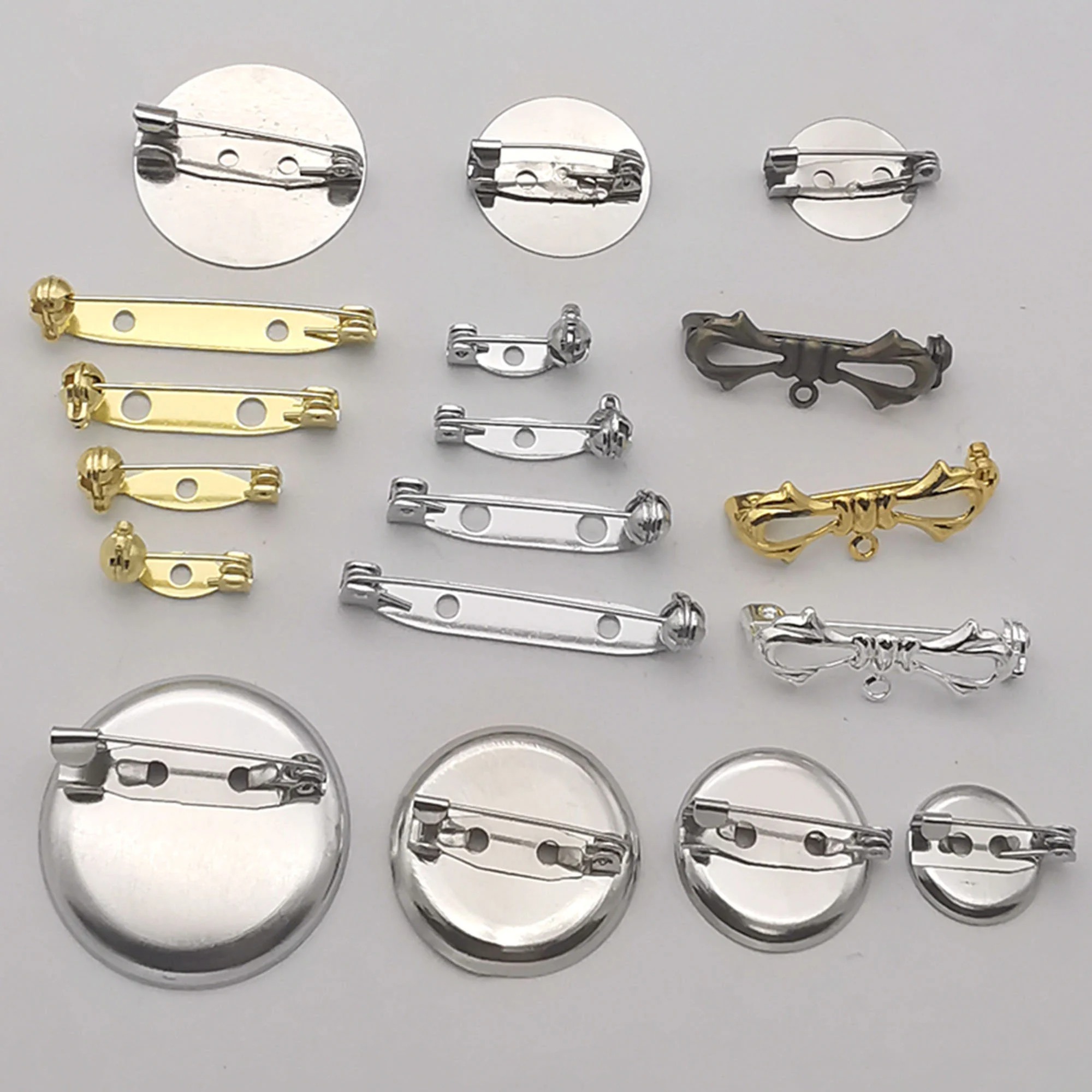
Inspect product images closely before buying. Look for clear close-ups of clasps and settings. Poor soldering or loose stones indicate low quality. Real metal feels heavier than plated alternatives. Read descriptions thoroughly. Terms like “sterling silver” or “gold-filled” suggest better materials.
Vintage brooch pins may require authentication. Seek sellers who provide provenance details. Hallmarks and maker’s marks help verify origin. When in doubt, consult an appraiser. Trustworthy vendors respond promptly to inquiries. Avoid deals that seem too good to be true. Investing in quality ensures longevity and satisfaction.
Caring for Your Brooch
Cleaning Techniques and Daily Maintenance
Regular cleaning keeps your brooch pin looking fresh. Use a soft cloth to wipe metal surfaces gently. For stubborn dirt, dampen the cloth slightly. Never soak the brooch unless it’s solid metal. Water damages adhesives and porous materials. Avoid chemical cleaners unless specified safe.
Remove the brooch pin before bathing or swimming. Chlorine and saltwater corrode metal over time. Perfume and lotion leave residue that dulls shine. Store each piece separately to prevent scratches. Soft pouches or lined compartments work best. Rotate usage to reduce wear on specific items. Proper care preserves both appearance and function.
Storage and Long-Term Preservation
Store your brooch pin in a dry, cool environment. Humidity causes tarnishing and mold growth. Use anti-tarnish strips if storing silver pieces. Keep them away from direct sunlight. UV rays fade enamel and fabric components. Acid-free tissue paper prevents chemical reactions.
For long-term preservation, consider display cases. Glass cabinets protect while showcasing collections. Insert foam pads to hold pins securely. Label each compartment for easy identification. Climate-controlled storage is ideal for valuable items. Regular checks prevent unnoticed damage. Thoughtful storage extends the life of every cherished brooch pin.
 Frequently Asked Questions
Can I Wear a Brooch Pin Every Day?
Yes, many brooch pins are suitable for daily wear. Opt for durable materials like stainless steel or coated alloys. Smaller sizes reduce snagging risks. Avoid overly delicate pieces during active routines. Choose designs that match your lifestyle. Office workers may prefer subtle tones. Creative professionals can experiment boldly.
Always attach the brooch pin securely. Test the clasp strength before regular use. Remove it at night to prevent bending. Rotate between several favorites to minimize strain. Daily wear is possible with mindful habits. A well-chosen brooch pin enhances everyday confidence.
Are Brooch Pins Appropriate for All Ages?
Absolutely. Brooch pins suit all age groups. Young adults enjoy trendy, playful designs. Middle-aged wearers favor classic elegance. Seniors often cherish heirloom or sentimental styles. Themes vary widely—floral, geometric, abstract, and novelty. There’s a style for every personality.
Parents sometimes gift brooches to mark milestones. Teens receive them for graduations or birthdays. Older women inherit family pieces with deep meaning. Age does not limit appeal. Versatility ensures relevance across life stages. Anyone can find a meaningful brooch pin.
Do Brooch Pins Work on All Types of Fabric?
Most fabrics accommodate brooch pins safely. Sturdy materials like wool, denim, and cotton handle pins well. Knits and loosely woven textiles need caution. Delicate silks and lace can tear easily. Use brooches with smooth backs to minimize damage.
Insert the pin slowly and evenly. Avoid pulling once inserted. For fragile fabrics, add a backing pad. Small rubber stoppers or fabric patches help distribute pressure. Test on an inconspicuous spot first. With care, even delicate garments can showcase brooch pins beautifully.
How Do I Choose the Right Size and Placement?
Match the brooch size to your body frame. Petite individuals suit smaller designs. Taller women can carry larger statements confidently. Consider garment proportions too. Wide collars allow bigger brooches. Slim necklines need subtler accents.
Placement affects overall balance. The left side is traditional. However, asymmetry creates modern interest. Try shoulders, pockets, or belts for variety. Experiment before finalizing. The right combination enhances both outfit and posture.
 Final Thoughts
The brooch pin continues to captivate fashion lovers worldwide. Its journey from functional clasp to artistic expression shows enduring appeal. It adapts seamlessly across eras and styles. Whether vintage or contemporary, each piece holds narrative power.
From symbolic meanings to practical styling, its value goes beyond decoration. Proper care and informed choices extend its lifespan. Shopping wisely ensures satisfaction and authenticity. Ultimately, the brooch pin is more than an accessory—it is a wearable story. Embrace its charm and let your personality shine.