A Unique Blend of Two Classic Jewelry Forms
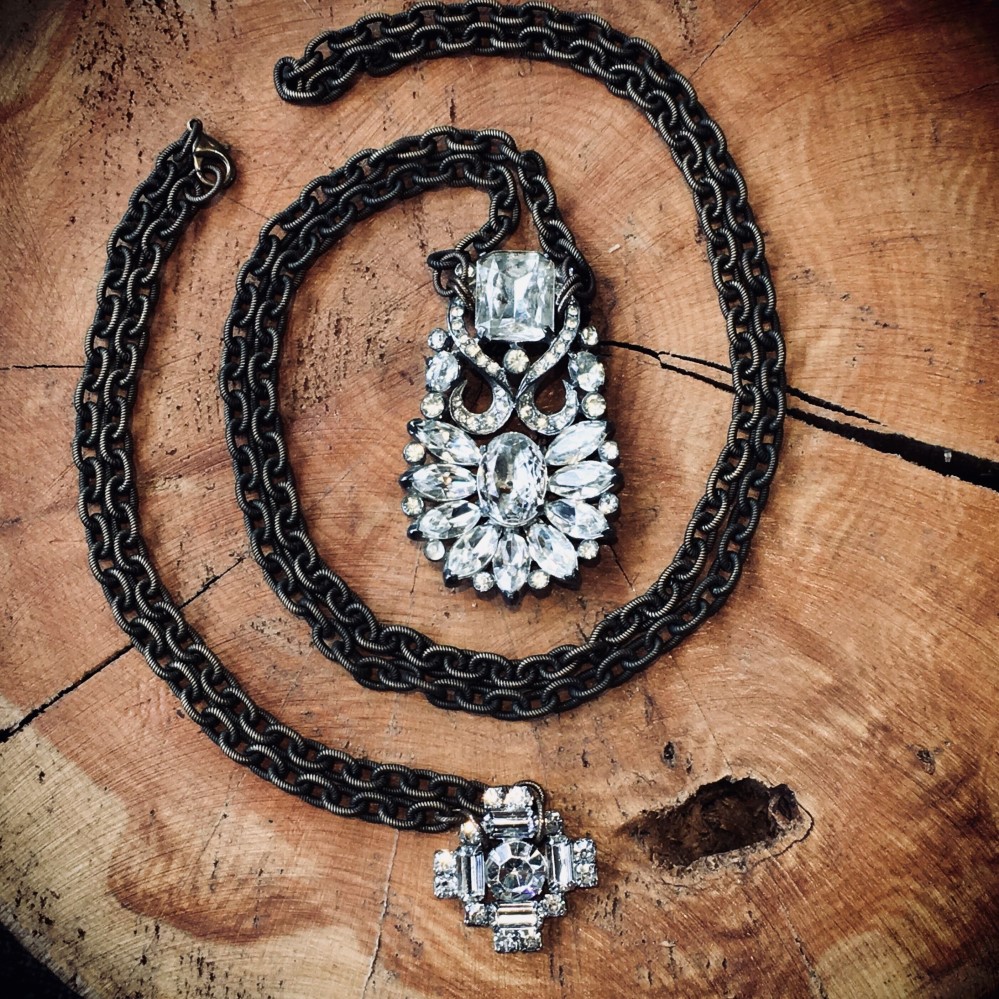
The brooch necklace has emerged as a standout in modern fashion. It combines the charm of a brooch with the grace of a necklace. This hybrid design allows wearers to enjoy dual functionality. You can pin it on fabric or drape it around your neck. Its versatility makes it ideal for many occasions.
Many people love how it transforms with minimal effort. Attach it to a collar, and it becomes a statement piece. Slide it onto a chain, and it turns into elegant neckwear. Designers appreciate its flexibility in styling. Whether minimalist or ornate, each brooch necklace offers something special. This seamless blend of form and function ensures lasting appeal.
 Styling Tips for Wearing Your Dual-Purpose Piece
As a Traditional Necklace
Wearing your brooch necklace as a pendant adds instant polish. Choose a delicate chain for subtle impact. Alternatively, use a bold rope or leather cord for drama. Position it at collarbone level for balance. Let it rest over a V-neck or scoop top for visibility.
Pair metallic tones with matching jewelry. Gold works well with warm skin tones. Silver complements cool undertones beautifully. Layer multiple chains if desired. Just ensure the brooch remains the focal point. These small choices elevate even the simplest outfit.
As a Lapel or Fabric Accent
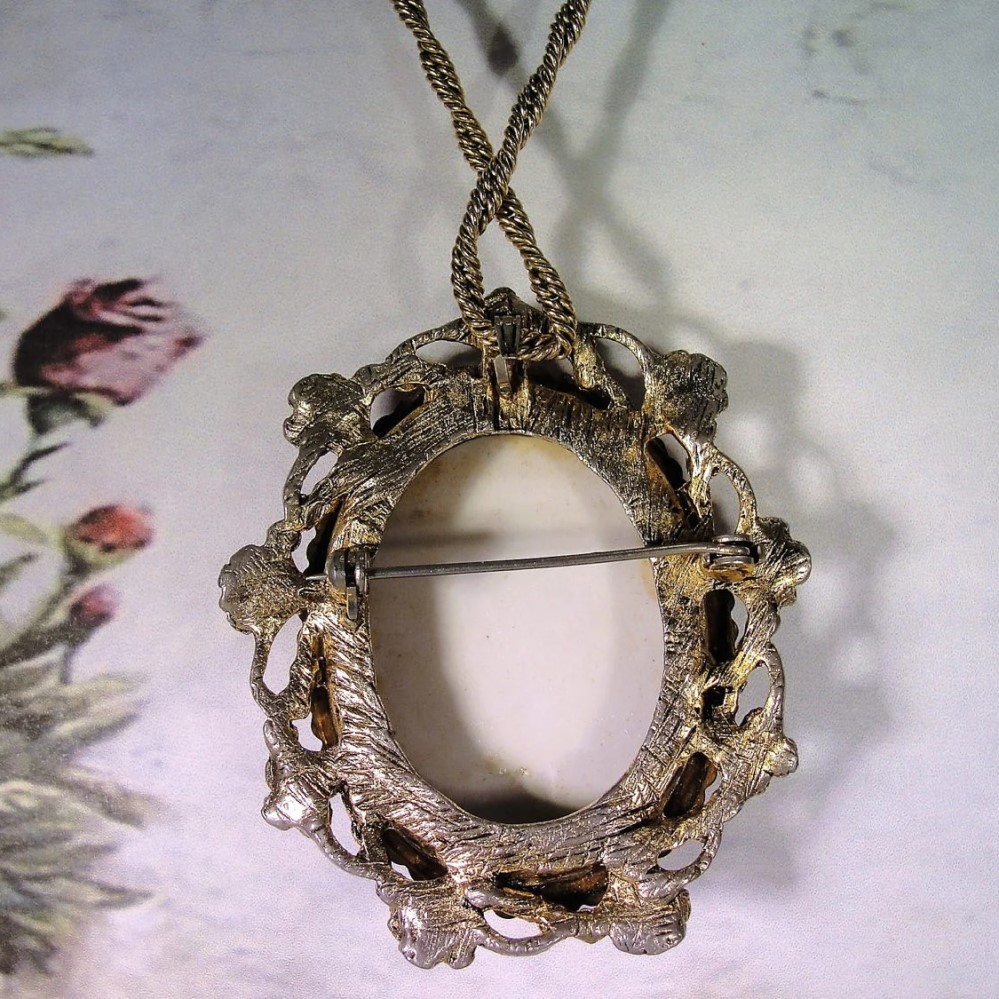
You can also wear your brooch necklace as a classic brooch. Pin it to a blazer, scarf, or cardigan for flair. Place it near the shoulder for asymmetry. Or fasten it over the heart area for emotional resonance. This switchable style maximizes value. One piece serves several roles in your wardrobe.
Use it to secure shawls or capes practically. Some women attach it to handbags for personalization. Others adorn hats or belts creatively. The key is confidence in placement. Experiment with angles and heights. A well-placed brooch necklace enhances any look effortlessly.
 Historical Roots of Combined Jewelry Designs
Early Examples in Royal and Aristocratic Fashion
Combined accessories date back centuries. European royalty often wore elaborate pins on draped fabrics. Queens paired gemstone brooches with long necklaces. These were not separate items but unified designs. Court portraits from the 18th century show such hybrids.
Nobles used these pieces to display wealth and taste. Craftsmen embedded clasps that allowed repositioning. Some jewels could be detached and worn differently. This adaptability was both practical and luxurious. The brooch necklace concept existed long before the term became common.
Evolution Through the 20th Century
The trend evolved significantly in the 1900s. Artisans began designing multi-functional jewelry intentionally. Women’s fashion embraced changeable pieces during wartime. Limited resources encouraged creative reuse. A single brooch necklace could serve all day and evening looks.
Hollywood stars popularized convertible styles in the 1950s. Actresses wore transformable gems on red carpets. Designers like Coco Chanel promoted simplicity and utility. By the 1980s, modular jewelry gained momentum. Modern techniques made transformation easier. Today’s brooch necklaces reflect this legacy of innovation.
Materials and Craftsmanship Behind the Design
Common Materials Used
Manufacturers select various substances to craft these accessories. Metal bases provide structure and durability. Brass, silver, and gold plating are standard choices. These enable intricate detailing without high costs. Enamel filling adds vibrant color and smooth texture. Some include rhinestones or crystals for sparkle.
Fabric-covered versions offer a softer appearance. Velvet or silk bases mimic vintage charm. These require careful stitching to maintain shape. Resin molds allow consistent shapes in bulk production. Each material brings unique qualities to the final product. Buyers can select based on preference for shine, weight, or comfort.
Handmade vs. Mass-Produced Pieces
Handcrafted brooch necklaces stand out due to individuality. Artisans spend hours shaping, polishing, and assembling each component. Limited runs mean fewer duplicates exist. Collectors value these for authenticity and story. Such pieces often become heirlooms passed through generations.
Mass-produced items prioritize consistency and affordability. Factories use molds and automated processes to meet demand. While less unique, they offer accessibility. Many enjoy collecting different styles without high expense. Both types serve important roles in the market. Personal taste determines which appeals more. Either way, craftsmanship ensures quality regardless of scale.
 Symbolism and Meaning Behind Convertible Jewelry
Cultural Interpretations Across Regions
Different cultures view transformable objects with reverence. In Japan, the idea of mottainai emphasizes reducing waste. Reusable items carry spiritual and ethical value. A brooch necklace aligns perfectly with this philosophy. It honors materials by extending their use.
In India, jewelry often holds ceremonial significance. Brides receive sets that convert for different rituals. A single piece may appear in multiple forms across wedding days. This reflects abundance and intentionality. The brooch necklace echoes such traditions of purposeful design.
Emotional and Psychological Impact
Wearing a brooch necklace can boost confidence and mood. The act of choosing and wearing jewelry is inherently personal. Selecting a favorite reinforces identity. Seeing oneself looking polished enhances self-image. Small details contribute to overall satisfaction.
Having one item that does more reduces decision fatigue. You feel prepared for changing events. Gifting one carries emotional weight too. It shows thoughtfulness and care. These intangible benefits deepen its value in daily life.
Where to Wear for Maximum Effect
Formal Events and Special Occasions
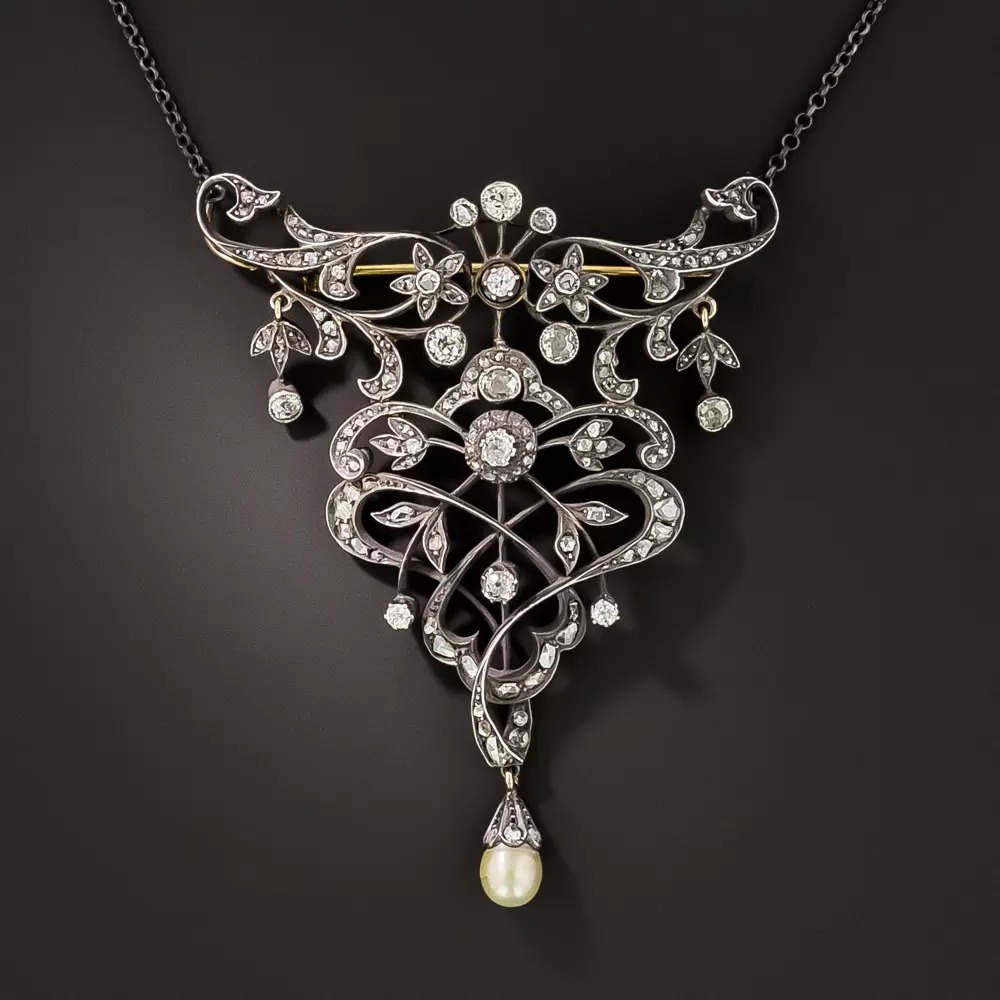
At weddings, galas, and award ceremonies, this accessory adds distinction. Women often pair it with evening gowns or tailored suits. Wear it as a pendant for elegance. Or pin it to a shawl for dramatic flair. Matching the piece to shoe or clutch color creates cohesion. Pearl-accented versions suit traditional attire beautifully.
Men increasingly adopt the trend at formal gatherings. A discreet brooch necklace on a tuxedo lapel breaks monotony. Monochrome schemes keep it elegant. Couples sometimes coordinate accessories for unity. Photographers capture these details, preserving memories. Such moments highlight its role in milestone events.
Everyday and Casual Settings
Even outside grand events, the brooch necklace shines. Attach it to denim jackets for a playful twist. Use it to secure scarves or shawls practically. Backpacks and tote bags become personalized with this touch. Children’s clothing benefits from colorful, safe designs.
Office wear improves with tasteful accents. A muted version complements business attire. It signals professionalism with a hint of personality. Teachers, artists, and entrepreneurs wear them proudly. These small choices reflect inner creativity. Daily routines feel brighter with intentional adornment.
 Caring for Your Versatile Accessory
Cleaning and Maintenance Tips
Proper care extends the lifespan of any accessory. For metal parts, use a soft cloth to remove fingerprints and dust. Avoid harsh chemicals that may damage plating. Soaking is not recommended, especially for glued components. Gently wipe fabric areas with a damp sponge if needed.
Store each piece separately to prevent scratches. Soft pouches or lined boxes work best. Keep away from humidity and direct sunlight. Check pins regularly for looseness. Tighten mechanisms carefully to avoid breakage. Routine maintenance keeps your brooch necklace looking fresh.
Repair and Restoration Options
Damaged pieces don’t always need replacement. Skilled jewelers can reattach fallen stones or repair clasps. Fabric elements might require re-stitching by hand. Vintage finds often benefit from professional restoration. Experts assess condition and recommend treatments.
Some brands offer repair services for their products. Independent artisans also specialize in fixing antique pieces. Replacing missing parts authentically preserves value. Even heavily worn accessories can regain luster. Investing in repairs supports sustainable fashion practices. A restored piece tells a richer story than a new one.
Frequently Asked Questions About This Transformative Piece
What outfits pair best with a brooch necklace?
Tailored coats, blazers, and dresses make ideal backdrops. It works equally well on casual denim or structured suits. Flowy blouses and cardigans offer soft contrast. Even hats and belts can host this element creatively.
Choose placement based on silhouette. High necklines support chest-level positioning. Strapless tops allow shoulder or arm placement. The goal is balance—avoid overcrowding. Match the size to garment proportions. Larger clothes handle bigger pieces confidently.
Can men wear a brooch necklace?
Yes, men can absolutely wear this style. Gender norms in fashion continue to evolve. Subtle, monochrome designs integrate seamlessly into masculine wardrobes. Lapels, pocket squares, and coat collars accept them gracefully.
Designers now create unisex and male-oriented versions. These feature angular lines and darker hues. Men wear them for weddings, performances, or artistic expression. Confidence matters more than outdated rules. Anyone can embrace the brooch necklace with pride.
How do I choose the right size?
Size depends on context and clothing. Large pieces dominate wide surfaces like coats. Small ones suit delicate fabrics or minimal looks. Measure the garment area before deciding. Hold mock-ups against the fabric to visualize impact.
Consider occasion too. Bold sizes fit festive settings. Refined ones suit professional environments. Proportionality ensures harmony. A medium-sized option often strikes the perfect balance. Test different options before finalizing.
Is this accessory appropriate for all ages?
Absolutely. Children enjoy whimsical, colorful versions. Teens use them to express individuality. Adults appreciate classic or designer models. Seniors cherish sentimental or inherited pieces.
Age does not limit appeal. Design variety accommodates every stage of life. Parents introduce kids to accessories early. Grandmothers pass down treasured items. This piece transcends generations naturally.
Where can I buy authentic brooch necklaces?
Purchase from reputable sources. Jewelry stores, department shops, and boutiques carry curated selections. Online marketplaces offer vast choices but require caution. Read reviews and check seller ratings carefully.
Vintage collectors find treasures in estate sales and auctions. Artisan fairs support local creators. Brand websites guarantee authenticity and after-sales service. Always verify return policies and warranties. Buying wisely protects your investment.
 Final Thoughts on Lasting Appeal
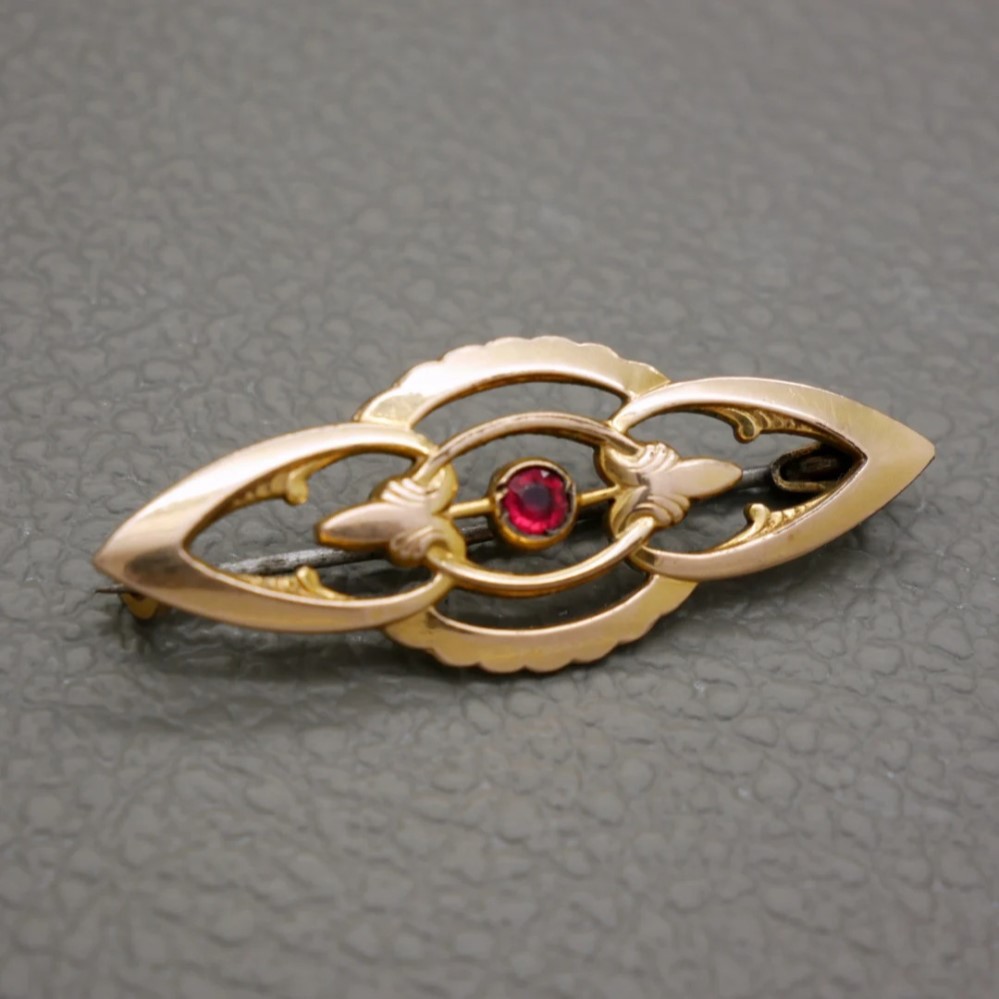
The brooch necklace continues to captivate fashion lovers around the world. Its journey from royal innovation to everyday staple reflects adaptability and timeless allure. More than just an ornament, it communicates identity, emotion, and artistry. Every way you wear it tells a story shaped by culture, memory, and choice.
From formal galas to weekday errands, the brooch necklace enhances diverse experiences. It thrives in handmade forms and factory-made lines alike. Care and creativity prolong its relevance across lifetimes. As fashion cycles repeat, this accessory remains steady. People will keep discovering its magic anew. Whether inherited or newly bought, a brooch necklace earns its place in any collection. Its legacy grows with each wearer who dares to adorn with intention.